12,300+ cookbooks Ships from the US · 30-day returns
👤 My Account
🔪 Methods & Techniques

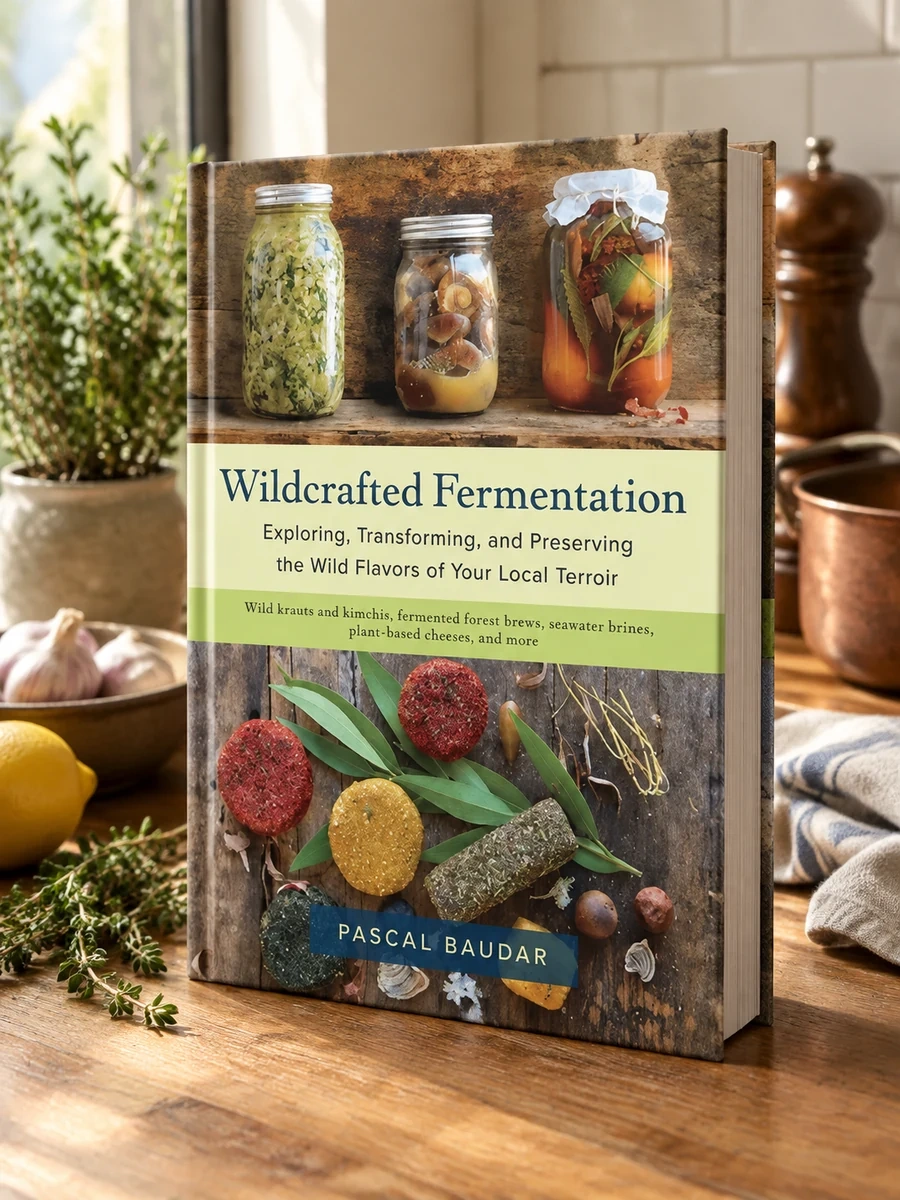
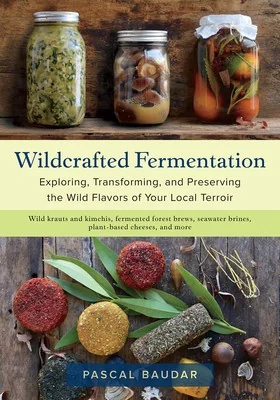
Wildcrafted Fermentation: Exploring, Transforming, and Preserving the Wild Flavors of Your Local Terroir

✍️ Baudar, Pascal
Reader Score
4.4
(1 review)
$29.95
In stock — ready to ship Ships in 1–2 business days
📚 WHAT THE BOOK IS ABOUT

A guide to foraging wild plants and turning them into fermented foods at home.

Baudar shifts focus from controlling unwanted vegetation to utilizing it as a culinary resource. He details how to transform seasonal bounties into preserved goods without relying on commercial ingredients. The text emphasizes the role of local ecosystems in providing natural preservatives. By using plants that are already widespread or considered noxious weeds, home fermenters can reduce waste and enhance flavor profiles. The approach connects ancient preservation traditions with modern environmental awareness.

Key Themes
wild fermentation invasive plant harvesting local terroir cuisine
Literary Context

The work draws on lacto-fermentation traditions used for thousands of years across various cultures worldwide. It applies these ancient methods to common edible plants widely distributed in North America and other global regions, bridging historical preservation practices with contemporary foraging trends.


Difficulty
● Easy
Recommended For Fans Of
Sandor Katz · Rose Marie Jacobsen · Leda Meredith · Foraging the Wild and Free
🔪
Methods & Techniques
🏛 Chelsea Green Publishing Company 📅 2020 📔 Paperback ISBN: 9781603588515
📚 This Book in Collections

📝 Description: Wildcrafted Fermentation: Exploring, Transforming, and Preserving the Wild Flavors of Your Local Terroir

Pascal Baudar presents a practical approach to lacto-fermentation using common edible plants found in North American landscapes. He argues that harvesting invasive species offers a sustainable alternative to chemical control methods. The text covers the creation of wild sauerkrauts, kimchis, hot sauces, savory pastes, plant-based cheeses, and dehydrated spice blends. Baudar explains how nature supplies the necessary ingredients, including plants, salt, and beneficial lactic acid bacteria, making preservation accessible to home cooks. The book contains over one hundred recipes designed for both wild and cultivated plants. Step-by-step photographs illustrate foraging techniques, preparation methods, and fermentation processes. These visual guides aim to build confidence in handling local terroir. The author invites readers to reconnect with their environment by utilizing greens, stems, roots, berries, fruits, and seeds available in their immediate vicinity. This method encourages the development of a cuisine unique to one's specific location. This volume suits individuals interested in rewilding their palates and exploring local food sources. It appeals to those willing to engage with the natural landscape for culinary inspiration. Readers seeking strictly traditional or region-specific European techniques may find the scope too broad. The content focuses on adapting global preservation methods to local North American flora.

💎 Expert review

“
🍳
Eatbook Family editorial team
Cookbook desk
Baudar’s volume is a robust resource for fermenters interested in local terroir, offering over one hundred recipes for wild sauerkrauts, kimchis, and savory pastes. The step-by-step photographs build confidence in handling unfamiliar plants, making the process accessible to novices. However, readers seeking strictly traditional or region-specific European techniques may find the scope too broad and unconventional. The content focuses on adapting global methods to local contexts rather than preserving historical authenticity. While the environmental angle is compelling, those preferring precise, standardized measurements over ecological foraging might find the approach too loose. It is a niche title for the eco-conscious cook.
✓ EDITOR'S REVIEW

📖 Why choose it

📖

Why this book is worth reading

Home cooks seeking to reduce waste and enhance flavor profiles will find immense value in this practical guide. It appeals to those willing to engage directly with their local landscape, offering a sustainable alternative to chemical weed control by transforming invasive species into preserved goods. The text empowers readers to reconnect with their environment through accessible lacto-fermentation using natural preservatives already present in their vicinity. Ideal for enthusiasts of rewilding palates, it encourages the development of cuisine unique to one's specific location by utilizing greens, roots, and berries found nearby. It bridges ancient traditions with modern ecological consciousness.

⭐ Reader reviews

The starting rating comes from the team Eatbook Family —
⭐ eatbookfamily.com editorial review Editorial rating 4.5/5
★★★★★
This book suits adventurous home cooks and foragers eager to experiment with lacto-fermentation using local plants and invasive weeds. You will need patience for gathering wild ingredients. Traditional bakers or casual weeknight cooks looking for quick pantry meals will be disappointed.

Reader rating

4.4
Based on 1 reviews
5
0
4
1
3
0
2
0
1
0
E
Eatbook Family editorial team

Baudar’s volume is a robust resource for fermenters interested in local terroir, offering over one hundred recipes for wild sauerkrauts, kimchis, and savory pastes. The step-by-step photographs build confidence in handling unfamiliar plants, making the process accessible to novices. However, readers seeking strictly traditional or region-specific European techniques may find the scope too broad and unconventional. The content focuses on adapting global methods to local contexts rather than preserving historical authenticity. While the environmental angle is compelling, those preferring precise, standardized measurements over ecological foraging might find the approach too loose. It is a niche title for the eco-conscious cook.

❓ Frequently asked questions

Yes, the book features over one hundred recipes accompanied by detailed visual guides illustrating how to forage, prep, and ferment your ingredients safely.
You will use wild or cultivated plants, roots, berries, and seeds gathered from your local area, paired with basic fermentation essentials like salt and natural lactic acid bacteria.

📖 Who should read this

This book suits adventurous home cooks and foragers eager to experiment with lacto-fermentation using local plants and invasive weeds. You will need patience for gathering wild ingredients. Traditional bakers or casual weeknight cooks looking for quick pantry meals will be disappointed.

📜 Historical context

Rooted in the ancient traditions of wild preservation and modern foraging, this style of cooking turns the North American landscape into a pantry. The author champions utilizing regional terroir, transforming native and invasive plants into flavorful ferments as an alternative to conventional management.

🏛 Books from this publisher Chelsea Green Publishing Company

All books from this publisher →
A Cafecito Story / El Cuento del Cafecito: English / Spanish Bilingual Edition = A Cafecito Story
★★★★★
★★★★★
4.6
Alvarez, Julia
A Cafecito Story / El Cuento del Cafecito: English / Spanish Bilingual Edition = A Cafecito Story
$12.95
82
Full Moon Feast: Food and the Hunger for Connection
★★★★★
★★★★★
4.5
Prentice, Jessica
Full Moon Feast: Food and the Hunger for Connection
$30.00
81
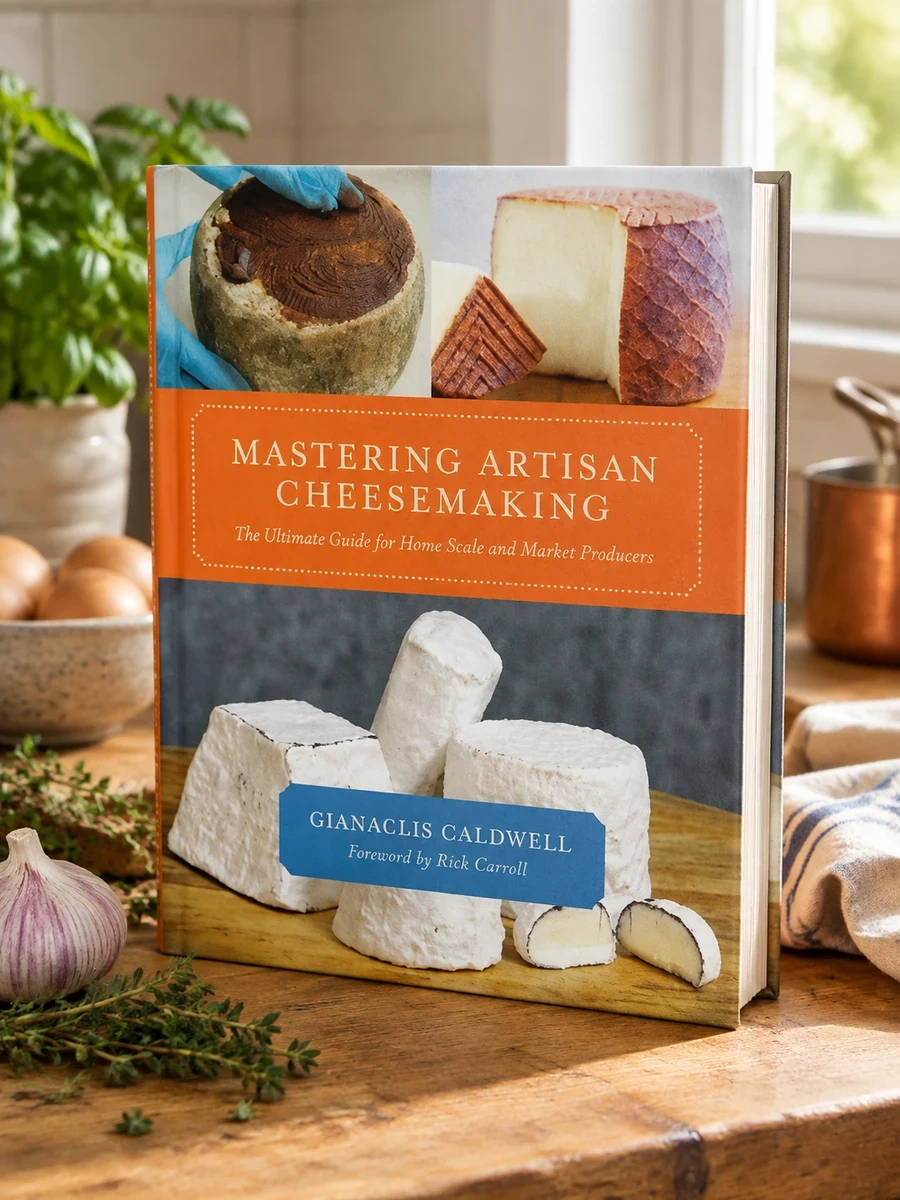
Mastering Artisan Cheesemaking: The Ultimate Guide for Home-Scale and Market Producer
★★★★★
★★★★★
4.5
Caldwell, Gianaclis
Mastering Artisan Cheesemaking: The Ultimate Guide for Home-Scale and Market Producer
$40.00
81
The Book of Pears: The Definitive History and Guide to Over 500 Varieties
★★★★★
★★★★★
4.5
Morgan, Joan
The Book of Pears: The Definitive History and Guide to Over 500 Varieties
$65.00
78
The Small-Scale Cheese Business: The Complete Guide to Running a Successful Farmstead Creamery
★★★★★
★★★★★
4.5
Caldwell, Gianaclis
The Small-Scale Cheese Business: The Complete Guide to Running a Successful Farmstead Creamery
$34.95
78
Letter to a Young Farmer: How to Live Richly Without Wealth on the New Garden Farm
★★★★★
★★★★★
4.6
Logsdon, Gene
Letter to a Young Farmer: How to Live Richly Without Wealth on the New Garden Farm
$25.00
83

You might also like

See more →
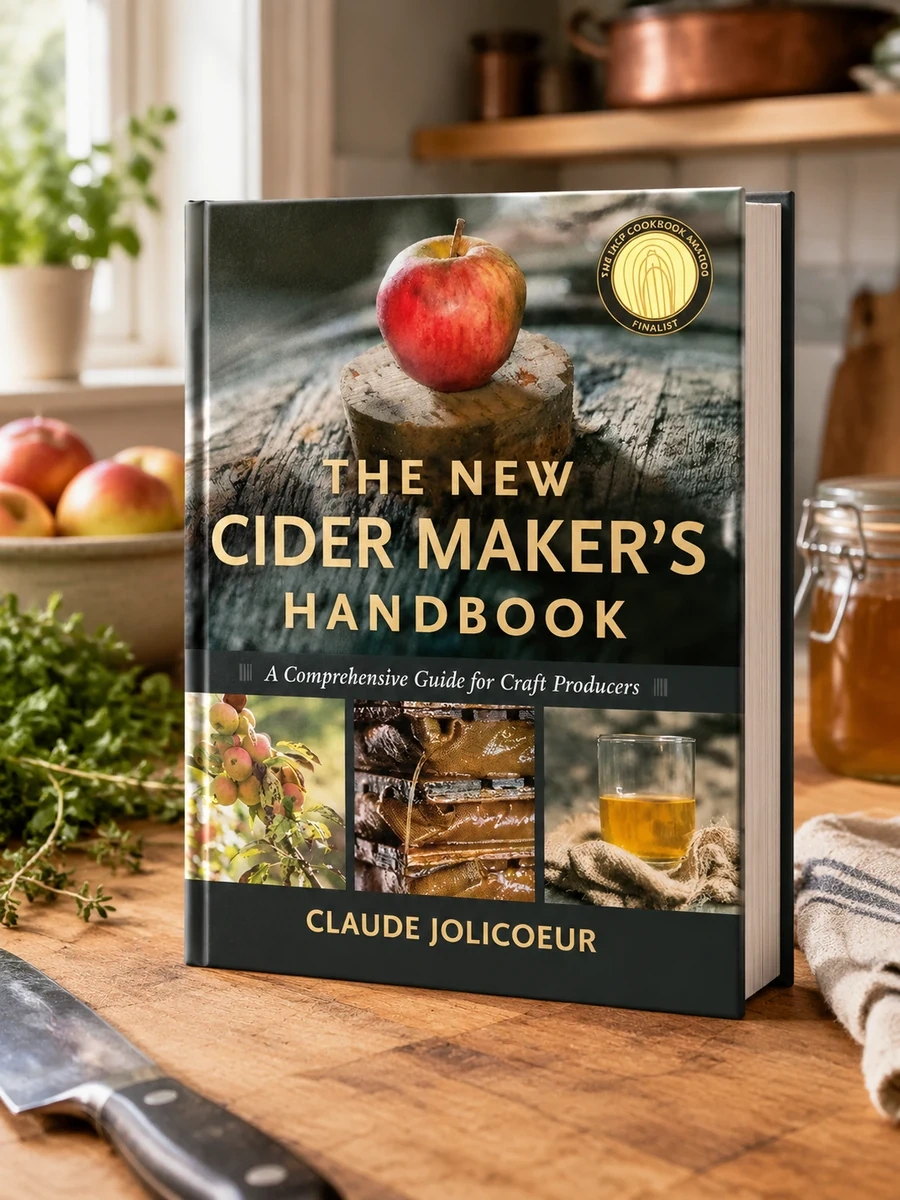
The New Cider Maker's Handbook: A Comprehensive Guide for Craft Producers
★★★★★
★★★★★
4.6
1
Jolicoeur, Claude
The New Cider Maker's Handbook: A Comprehensive Guide for Craft Producers
$44.95
86
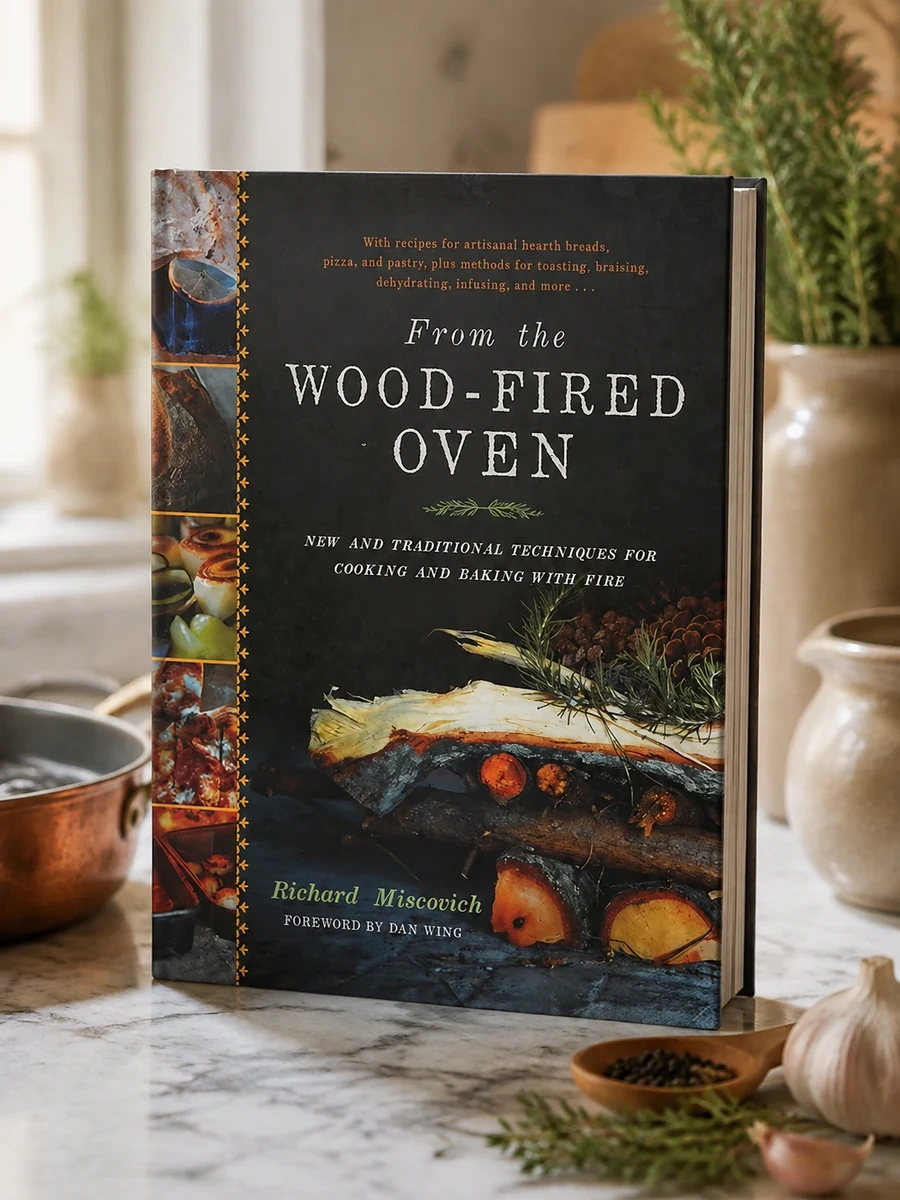
From the Wood-Fired Oven: New and Traditional Techniques for Cooking and Baking with Fire
★★★★★
★★★★★
4.6
1
Miscovich, Richard
From the Wood-Fired Oven: New and Traditional Techniques for Cooking and Baking with Fire
$44.95
86
Year-Round Indoor Salad Gardening: How to Grow Nutrient-Dense, Soil-Sprouted Greens in Less Than 10 Days
★★★★★
★★★★★
4.5
1
Burke, Peter
Year-Round Indoor Salad Gardening: How to Grow Nutrient-Dense, Soil-Sprouted Greens in Less Than 10 Days
$29.95
81
Classic Dessert for Two: Small-Batch Treats, New and Selected Recipes
★★★★★
★★★★★
4.8
Lane, Christina
Classic Dessert for Two: Small-Batch Treats, New and Selected Recipes
$29.99
91
Best Ever Recipes for Your Slow Cooker: Over 200 Delicious Mouthwatering Dishes to Make in a Slow Cooker
★★★★★
★★★★★
4.8
Atkinson, Catherine
Best Ever Recipes for Your Slow Cooker: Over 200 Delicious Mouthwatering Dishes to Make in a Slow Cooker
$29.99
91
Luscious, Tender, Juicy: Recipes for Perfect Texture in Dinners, Desserts, and More
★★★★★
★★★★★
4.8
Hunt, Kathy
Luscious, Tender, Juicy: Recipes for Perfect Texture in Dinners, Desserts, and More
$30.00
91
Beyond Canning: New Techniques, Ingredients, and Flavors to Preserve, Pickle, and Ferment Like Never Before
★★★★★
★★★★★
4.8
Giles, Autumn
Beyond Canning: New Techniques, Ingredients, and Flavors to Preserve, Pickle, and Ferment Like Never Before
$30.00
91
The Old Fat Guy's Guide to Smoking Meat for Beginners
★★★★★
★★★★★
4.8
Farrell, David
The Old Fat Guy's Guide to Smoking Meat for Beginners
$33.99
91
Home Genres
Cart
Wishlist