Michael Ruhlman is a particularly rewarding author to read if you want to understand not just what to cook, but why a cooking method works. His books span practical instruction, flexible formulas, focused technique, specialized food craftsmanship, and narrative reporting from professional kitchens. That range is part of the appeal, but it can make choosing a first book surprisingly difficult.
The right starting point depends on what you want from your time in the kitchen. A home cook who wants to become more confident with everyday methods needs a different introduction from an aspiring chef interested in restaurant standards or a food enthusiast curious about the people behind ambitious cooking. Rather than treating every title as interchangeable, this guide puts seven Ruhlman books in a useful reading order, with recommendations for readers who would rather follow a different route.
Our recommended sequence begins with accessible principles, builds toward practical technique and specialized craftsmanship, and then turns to the professional kitchen. You do not need to read all seven to benefit: the best first purchase is the book that addresses the question you most want to answer.
Start with principles you can use at home
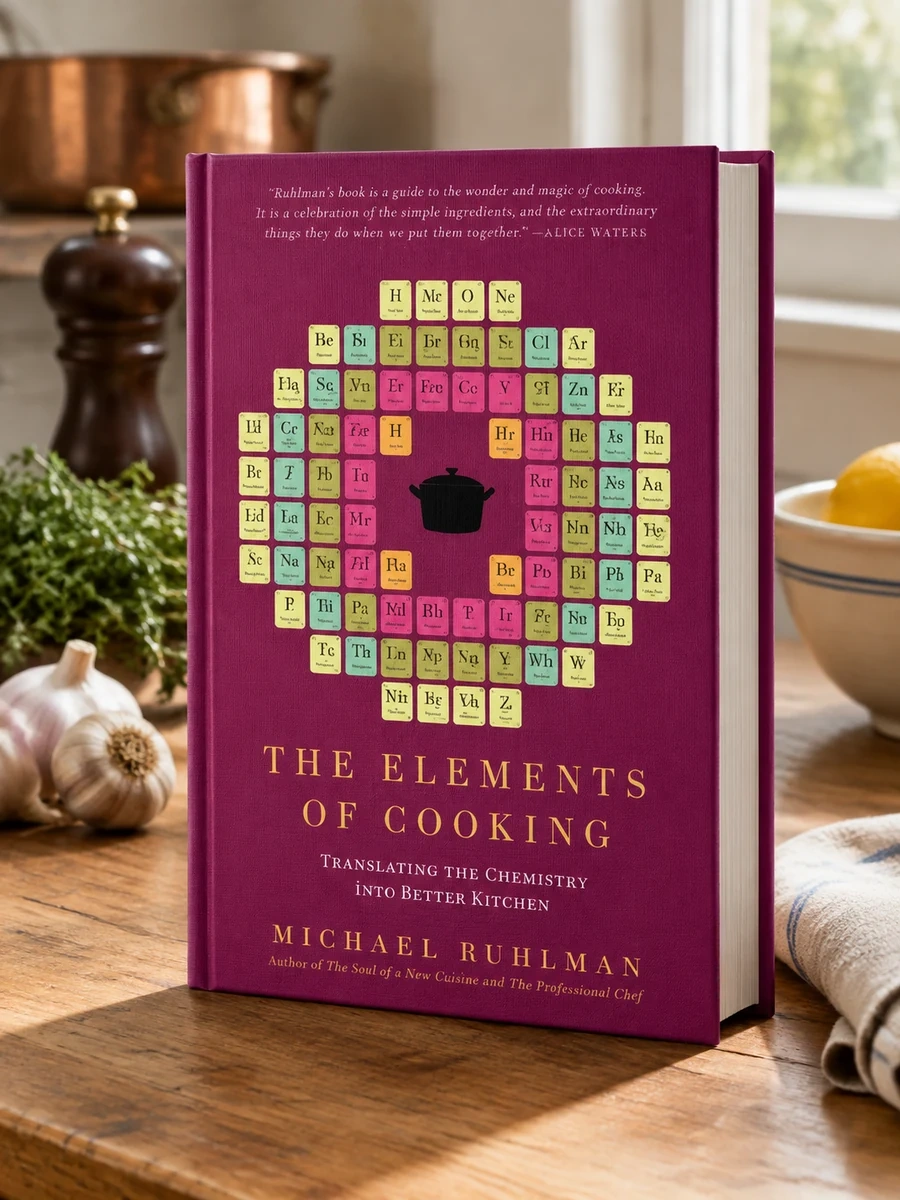
1. The Elements of Cooking: Translating the Chef's Craft for Every Kitchen — Michael Ruhlman
Best for: home cooks who want stronger fundamentals. This is the natural first stop for readers who want to become more deliberate about everyday cooking. Its focus is the language and working knowledge of the chef's craft, translated for a home kitchen rather than reserved for professional cooks. That makes it a sensible foundation before you branch into individual techniques or more specialized projects.
Start here if you find yourself following recipes without always understanding the reasoning behind them. Ruhlman's approach encourages you to pay attention to method and culinary vocabulary, giving you a framework for making better decisions as you cook. It is also a good choice for a cook who already owns plenty of recipe collections but wants a more systematic understanding of the work those recipes require.
Our recommendation: Choose this as your first Ruhlman book if your goal is to improve broadly rather than master one dish or technique. It is the strongest general-purpose entry point in this list.
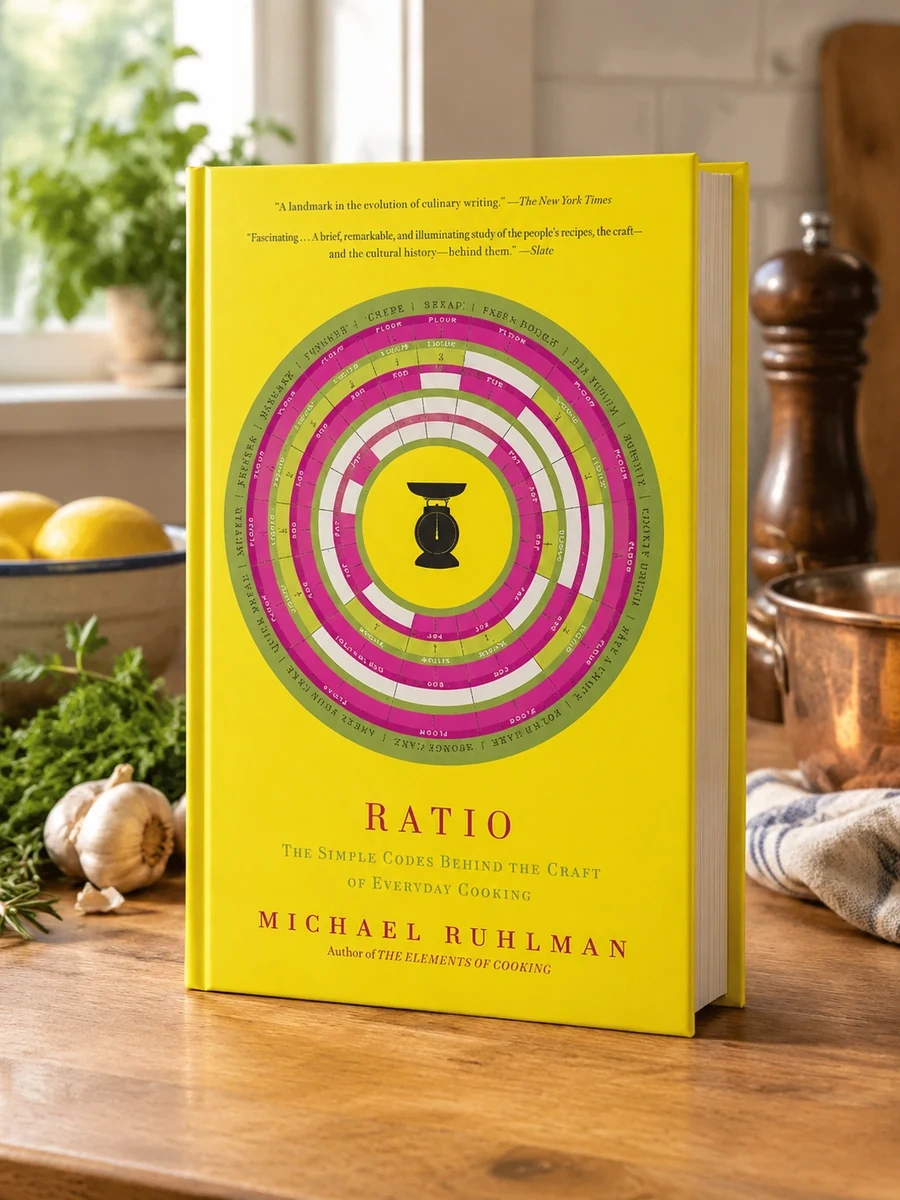
2. Ratio: The Simple Codes Behind the Craft of Everyday Cooking — Michael Ruhlman
Best for: curious cooks who want to improvise with confidence. Ratio approaches cooking through proportions, giving readers a way to think about recipes as relationships between ingredients instead of fixed lists of measurements. That perspective is especially useful when you want to understand how a basic formula can produce multiple variations, rather than start from scratch every time you cook.
This is the book to pick if you enjoy learning patterns and applying them independently. It offers a different kind of kitchen confidence from a conventional recipe collection: the aim is to recognize a workable structure and adapt it thoughtfully. Readers who like baking, where ingredient proportions can have a pronounced effect on results, may find this approach particularly useful, while the broader appeal is learning to think beyond the printed recipe.
Read it after The Elements of Cooking if you want a steady progression from general culinary understanding to flexible formulas. If your main frustration is dependence on exact recipes, however, Ratio can just as easily be your first purchase.
Build technique and learn to respect ingredients
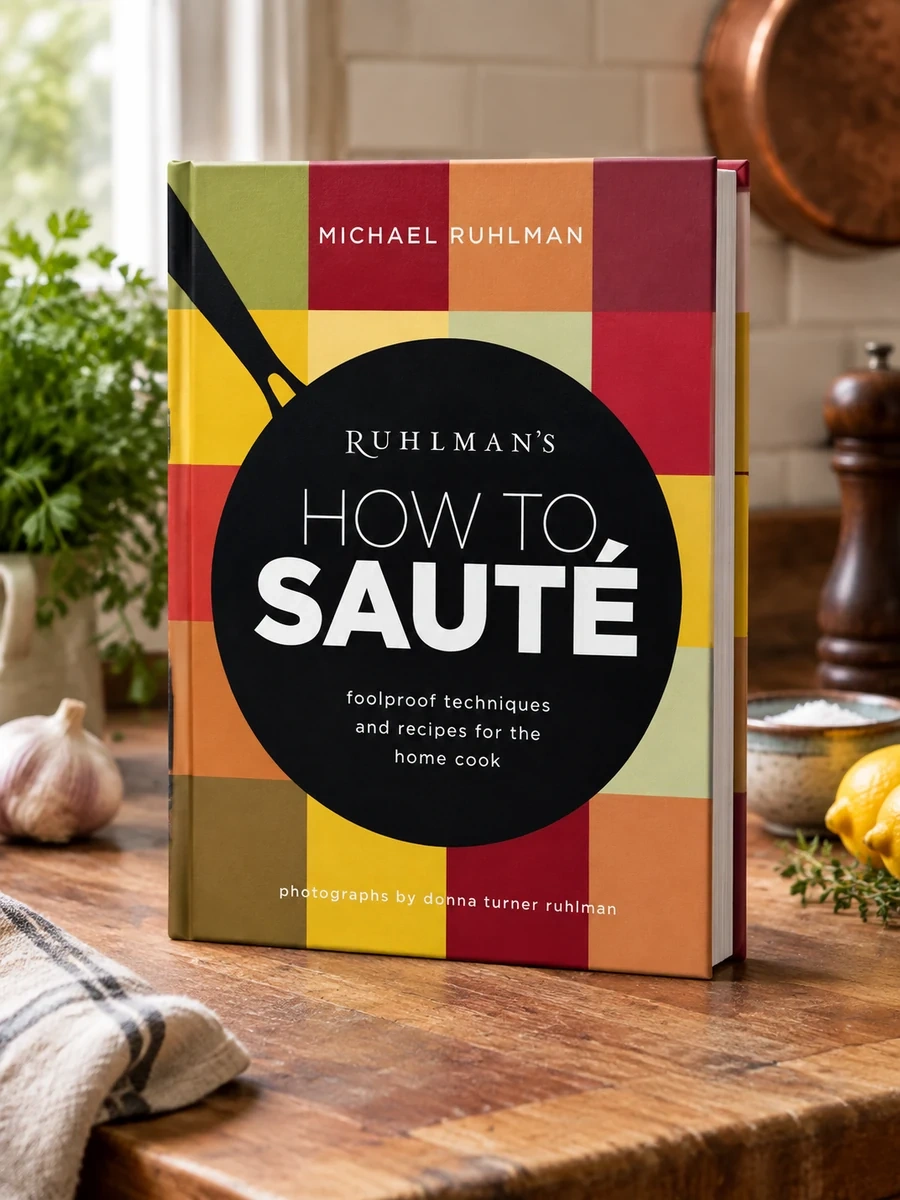
3. Ruhlman's How to Saute: Foolproof Techniques and Recipes for the Home Cook — Michael Ruhlman
Best for: home cooks ready to improve their pan skills. Sautéing is a useful technique to study because it asks you to pay attention to heat, timing, and the behavior of food in a pan. This focused book brings that subject into reach for the home cook, combining technique with recipes rather than leaving the reader with abstract instructions alone.
It makes a practical next step after the first two books. Once you have started thinking about principles and proportions, a technique-centered title gives you a specific place to put that understanding to work. It is also a good alternative first choice for readers who prefer learning through a concrete cooking task instead of a broader discussion of culinary fundamentals.
Use it when you want to spend less time guessing at the stove and more time understanding the choices that shape the result. For an aspiring chef, it can serve as a focused practice companion; for a home cook, it is a way to give one everyday method the attention it deserves.
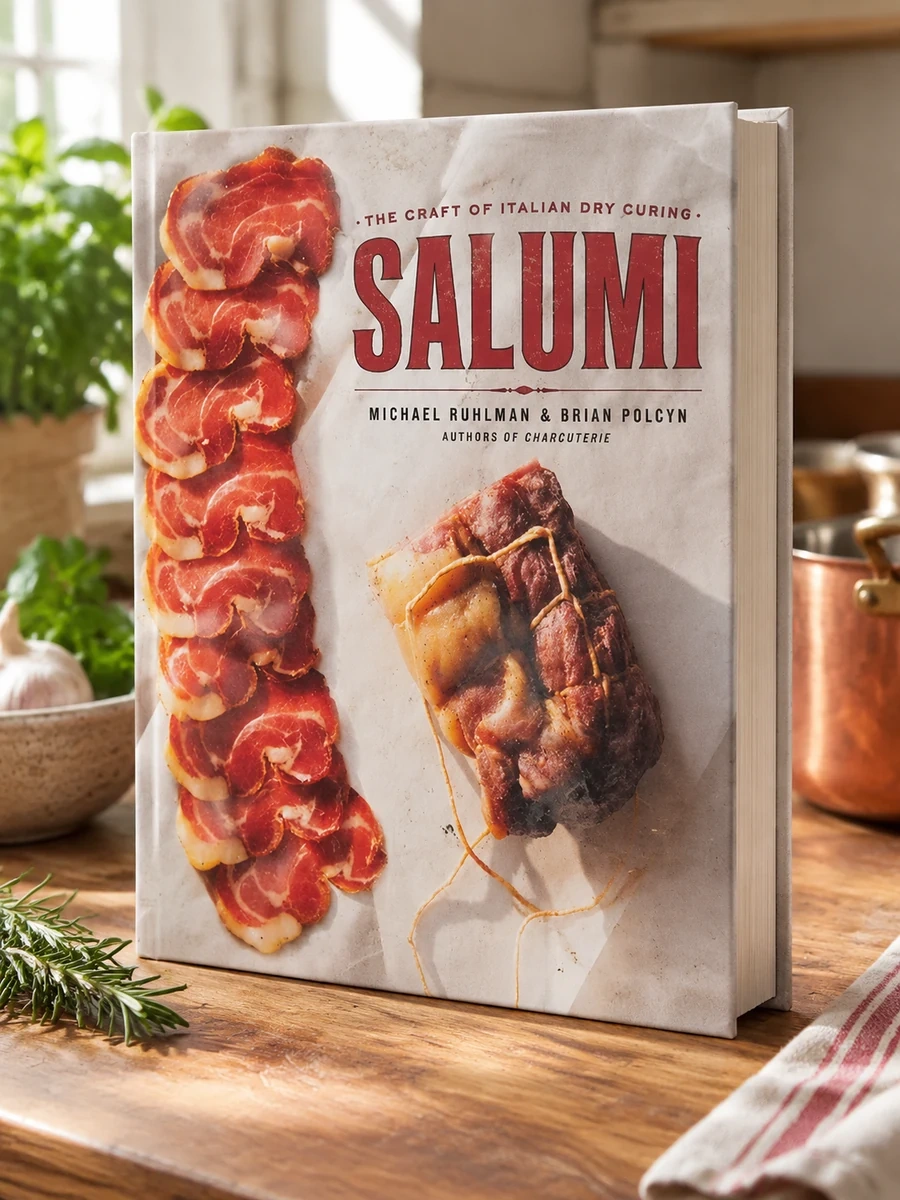
4. Salumi: The Craft of Italian Dry Curing — Michael Ruhlman
Best for: food enthusiasts interested in traditional meat preservation. Salumi moves away from everyday pan cooking and into the specialized craft of Italian dry-curing. The subject makes this a more focused purchase than Ruhlman's general cooking titles, particularly for readers who are fascinated by how traditional food products are made and by the techniques behind them.
This is not the first book we would recommend to someone who simply wants to cook dinner more confidently. It is better suited to a reader who already has a foundation in the kitchen and wants to explore a specific culinary tradition in greater depth. Dry-curing is a preservation practice that requires attention to process and food safety, so approach the subject as a disciplined craft rather than a casual improvisation project.
Read it when ingredient mastery and food production interest you as much as preparing a meal. It adds a specialized dimension to a Ruhlman shelf, showing how far culinary technique can extend beyond the immediate work of cooking.
Understand the professional kitchen from the inside
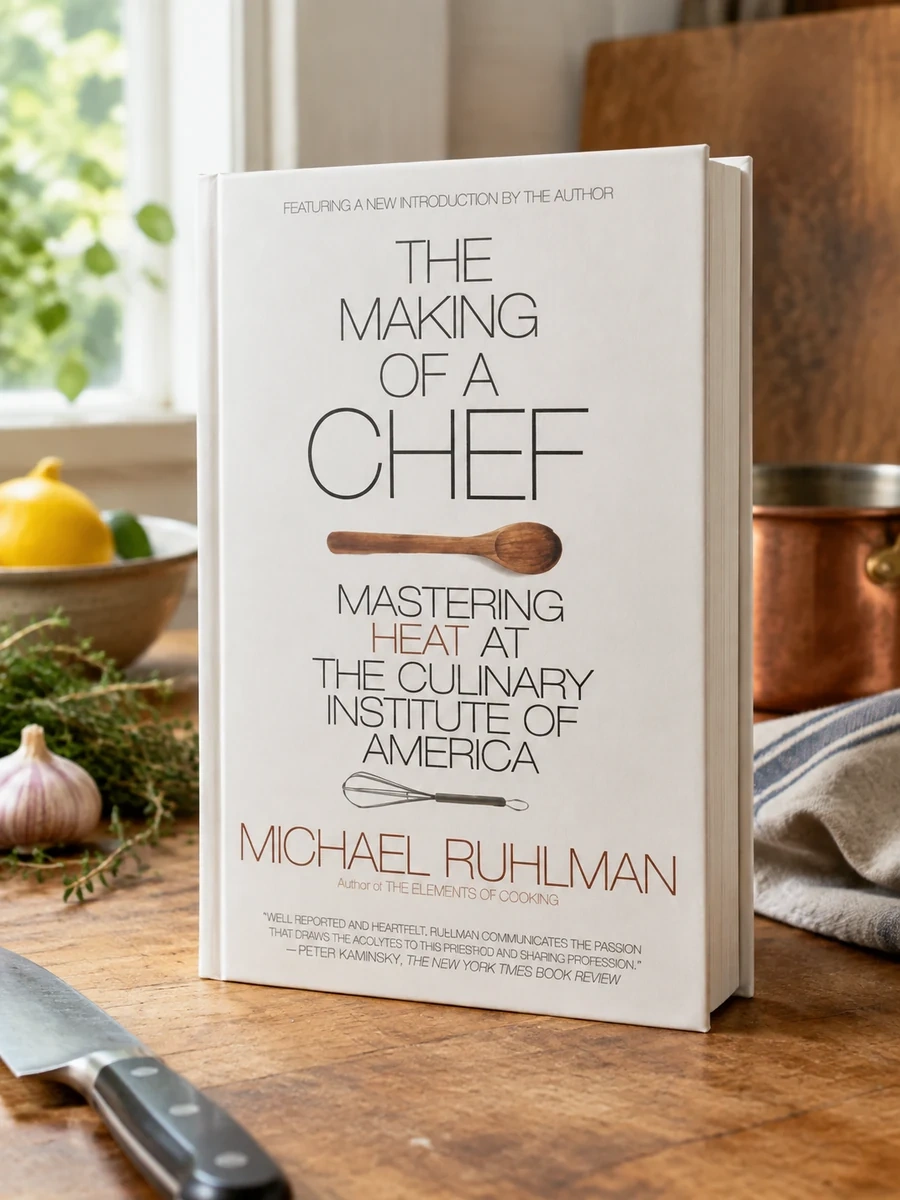
5. The Making of a Chef: Mastering Heat at the Culinary Institute of America — Michael Ruhlman
Best for: aspiring chefs and readers who enjoy food writing. This book takes readers into culinary education through the experience of training at the Culinary Institute of America. Instead of approaching professional cooking solely as a collection of recipes, it explores the process of learning the discipline and expectations associated with chef training.
Its narrative approach makes it a particularly good choice for readers who are considering culinary school or wondering what professional preparation involves. Home cooks can enjoy it, too, especially if they are curious about the gap between cooking for pleasure and developing skills in a structured culinary environment.
Place it later in a technique-first reading plan, or move it to the beginning if the professional world is what drew you to Ruhlman. Readers seeking instruction they can immediately apply to a home-cooking session should start with The Elements of Cooking or Ruhlman's How to Saute instead.
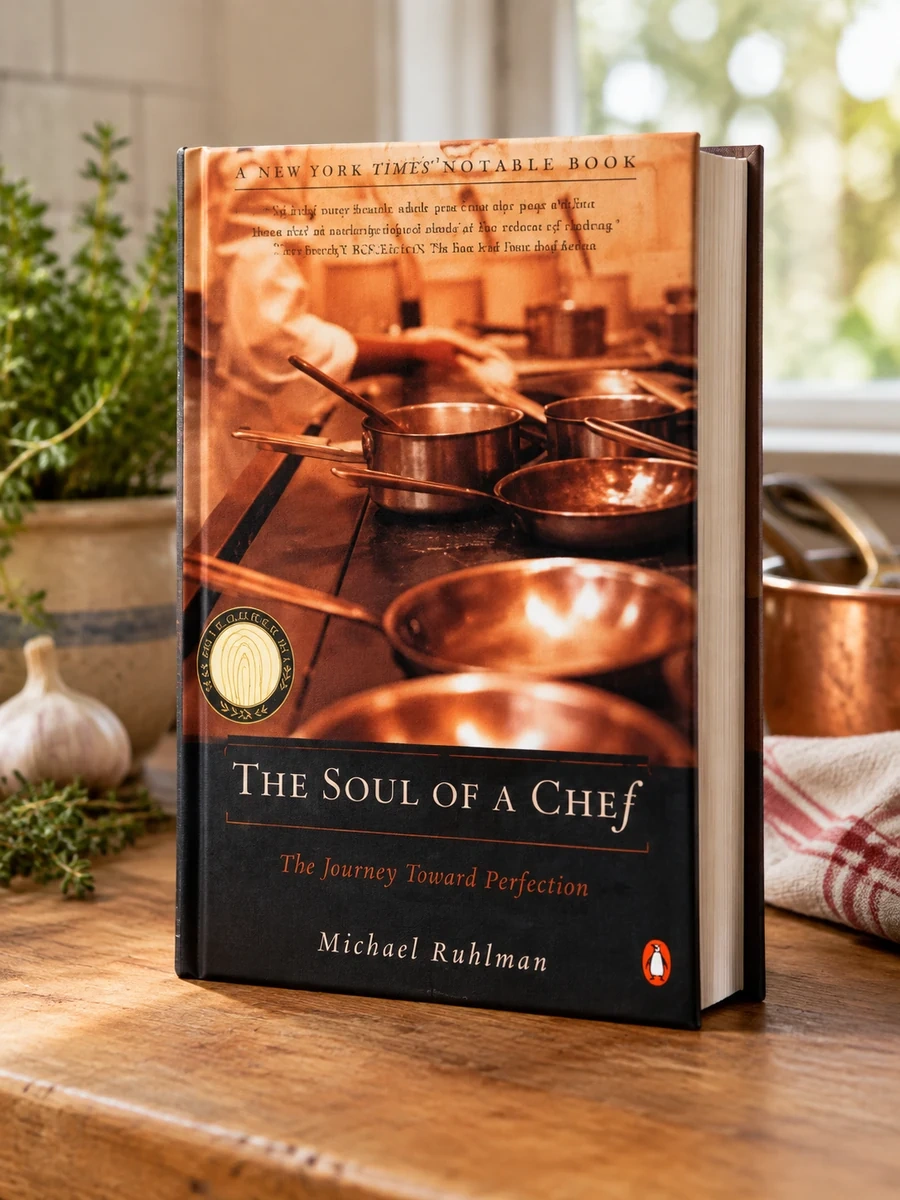
6. The Soul of a Chef: The Journey Toward Perfection — Michael Ruhlman
Best for: serious technique enthusiasts and future professionals. With its focus on the pursuit of culinary excellence, this book is a natural follow-up to The Making of a Chef. It is especially relevant to readers interested in the Certified Master Chef examination and the standards that accompany high-level professional cooking.
The subject shifts the emphasis from learning the foundations of a profession to understanding what happens when standards become exceptionally demanding. Readers who are intrigued by mastery, precision, and the pressures of proving professional ability will find this a more suitable fit than another general-purpose cookbook. Its value lies in the perspective it offers on ambition and the work involved in pursuing excellence.
For the home cook, this is a worthwhile choice if the human and professional side of culinary achievement interests you. For a culinary student, it belongs near the center of a reading list about what a serious career in cooking can demand.
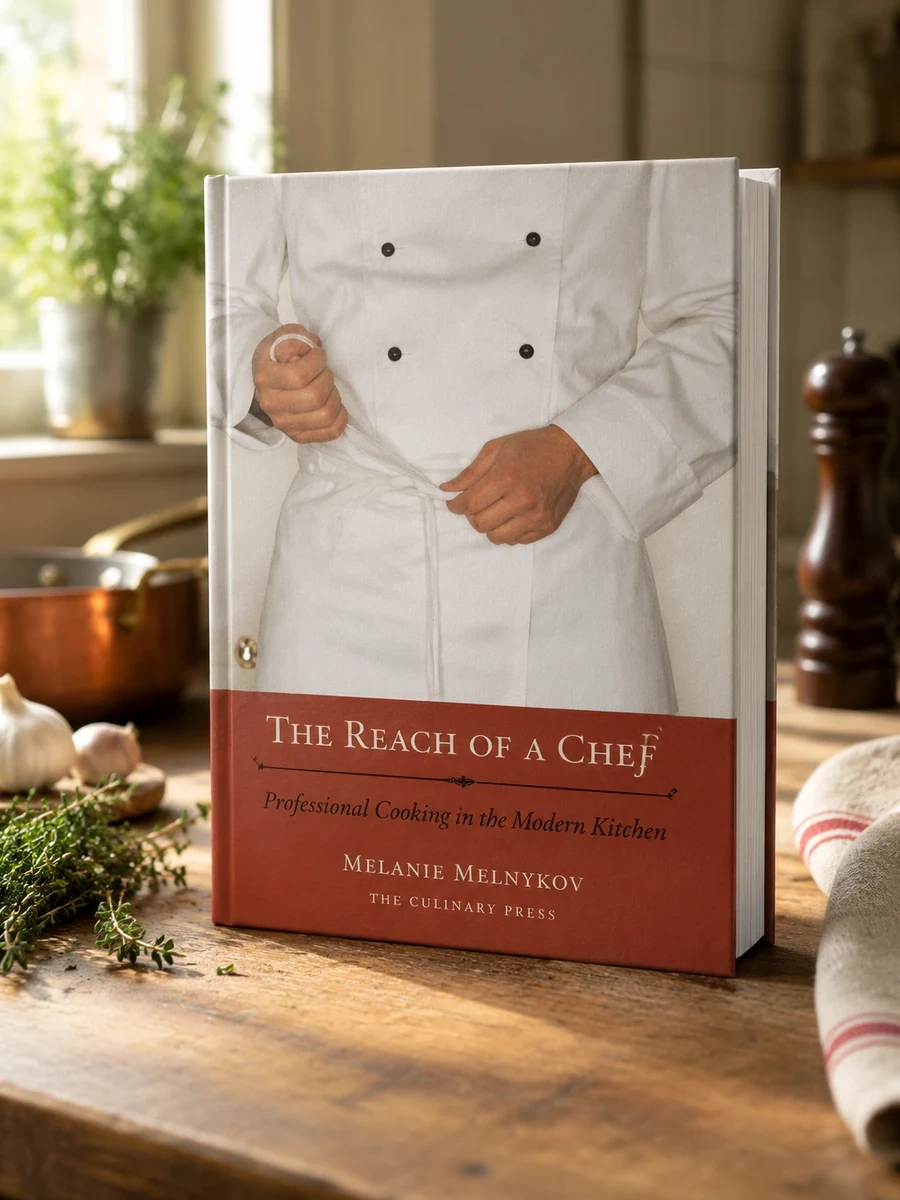
7. The Reach of a Chef: Professional Cooks in the Age of Celebrity — Michael Ruhlman
Best for: readers interested in chefs, restaurants, and food culture. This book broadens the view beyond the training kitchen to consider professional cooks in the age of celebrity. It is a fitting final step because it shifts attention from acquiring culinary skills to the people and public profile surrounding professional cooking.
Read it after The Making of a Chef and The Soul of a Chef if you want a progression through culinary training, the pursuit of mastery, and the wider professional world. The perspective is particularly appealing to food-writing fans who want to understand the culture around chefs as well as the craft that makes their work possible.
It is not the most direct choice for someone looking for a new technique to practice tonight. Instead, it completes the broader picture of Ruhlman's interests: cooking as skilled labor, a profession, and a subject worthy of serious reporting.
Which Michael Ruhlman book should you read first?
You can follow the seven-book sequence from fundamentals to professional kitchen culture, but there is no need to make the entire list a requirement. The most useful reading order is the one that matches your reason for seeking out Ruhlman in the first place.
- If you are an aspiring home cook: Start with The Elements of Cooking. It is the broadest entry point here, giving you a foundation for thinking more carefully about kitchen practice. Add Ratio when you want to become more flexible with recipes.
- If you want practical technique: Begin with Ruhlman's How to Saute and practice as you read. Follow with The Elements of Cooking to widen your understanding, then explore Ratio to develop a more adaptable approach.
- If you are interested in formulas and experimentation: Choose Ratio. It is the most direct fit for readers who want to recognize patterns in cooking and use them to guide their own variations.
- If you are fascinated by ingredients and traditional craft: Pick Salumi when dry-curing is your particular interest. Its specialist subject makes it a more targeted purchase than a general introduction, and it should be approached with careful attention to preservation safety.
- If you are considering culinary school or a restaurant career: Read The Making of a Chef, followed by The Soul of a Chef. Continue with The Reach of a Chef for a wider look at professional cooks and celebrity.
- If you mainly enjoy food journalism: Start with The Reach of a Chef if the public and cultural side of professional cooking interests you most, or The Making of a Chef if you prefer a closer look at training.
Budget can help settle the decision, too. Several of the listed editions are priced under $20, including The Elements of Cooking, Ratio in its lower-priced listed edition, and The Soul of a Chef. Prices vary by edition, so compare the specific listings rather than assuming that every version costs the same.
One final buying tip: the catalog includes more than one listing for both Ratio and The Soul of a Chef. Check the edition details before choosing between them, especially if you prefer a particular format or want to compare prices. For most readers, the best first purchase remains The Elements of Cooking; for readers who already cook confidently and want a new way to think, Ratio is the strongest alternative.
Ruhlman's books reward a reader who wants to connect knowledge with practice. Begin with the subject that matters to you, cook or read with attention, and move toward the more specialized titles as your interests develop. You will get more from one well-chosen book that answers a real question than from collecting an entire shelf before you know what you want to learn.