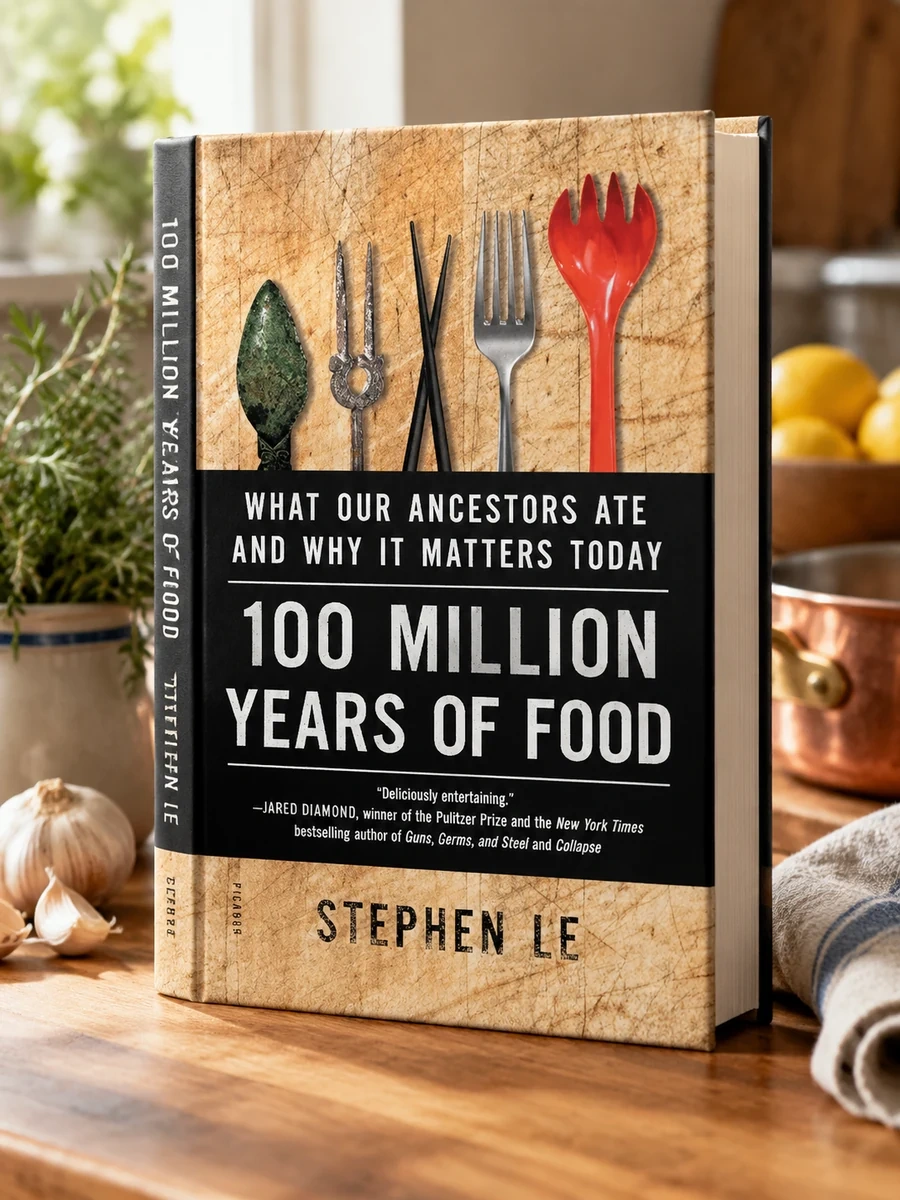
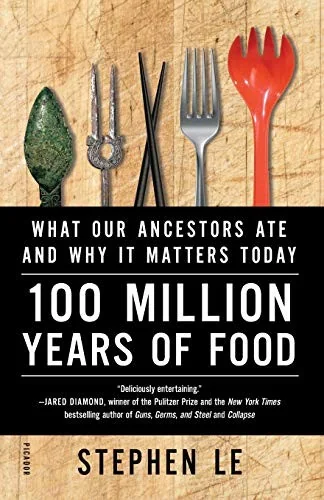
100 Million Years of Food: What Our Ancestors Ate and Why It Matters Today
✍️ Le, StephenAn anthropologist traces human diet evolution across four countries to explain modern health issues.
The author challenges current dietary advice by looking at the long-term biological history of humans. He observes communities in diverse locations who maintain eating practices rooted in their local environments. These traditions show how food choices are not random but are shaped by centuries of adaptation. The text contrasts these sustainable practices with the rise of processed foods that ignore our physiological makeup. Le posits that returning to ancestral eating patterns can help prevent chronic illnesses associated with industrial agriculture.
Published by Picador USA in 2018, this paperback places food history within social science and political science frameworks. It addresses agricultural policy and cooking history to explain how modern Western diets diverged from traditional biological norms.


📝 Description: 100 Million Years of Food: What Our Ancestors Ate and Why It Matters Today
💎 Expert review
📖 Why choose it
Why this book is worth reading
Readers seeking a profound understanding of the biological roots of modern health issues will find this text invaluable. It appeals to those interested in how cultural adaptation shapes food systems over millennia, offering a critique of industrial agriculture and rigid dietary trends. By examining diverse communities in Vietnam, Kenya, India, and the US, the book provides context for why specific regional staples exist. It is ideal for intellectual readers who want to move beyond quick meal plans to grasp the long-term evolutionary logic behind human eating habits and the potential benefits of aligning with ancestral patterns.
⭐ Reader reviews
Reader rating
Le offers a compelling anthropological perspective on diet, tracing human biological adaptation across four distinct nations. The book shines in its critique of processed foods and rigid regimens like paleo or veganism, arguing instead for context-specific traditional practices. However, it may disappoint shoppers expecting immediate culinary utility. Those seeking quick meal plans or strict dietary rules will likely find the evolutionary context less practical. It suits readers interested in anthropology and public policy over those wanting simple recipes.
❓ Frequently asked questions
📖 Who should read this
Readers interested in anthropology and nutrition history will appreciate this work. It suits those seeking to understand the biological roots of modern dietary habits rather than individuals looking for immediate meal solutions or quick cooking tips.
📜 Historical context
📖 Read on the blog
✍️ More books by this author Le, Stephen
All books by this author →


🏛 Books from this publisher Picador USA
All books from this publisher →
You might also like
See more →




Have a question about this item?
Ask about the edition, condition, delivery or anything else — we reply by email or phone, usually within a day.
