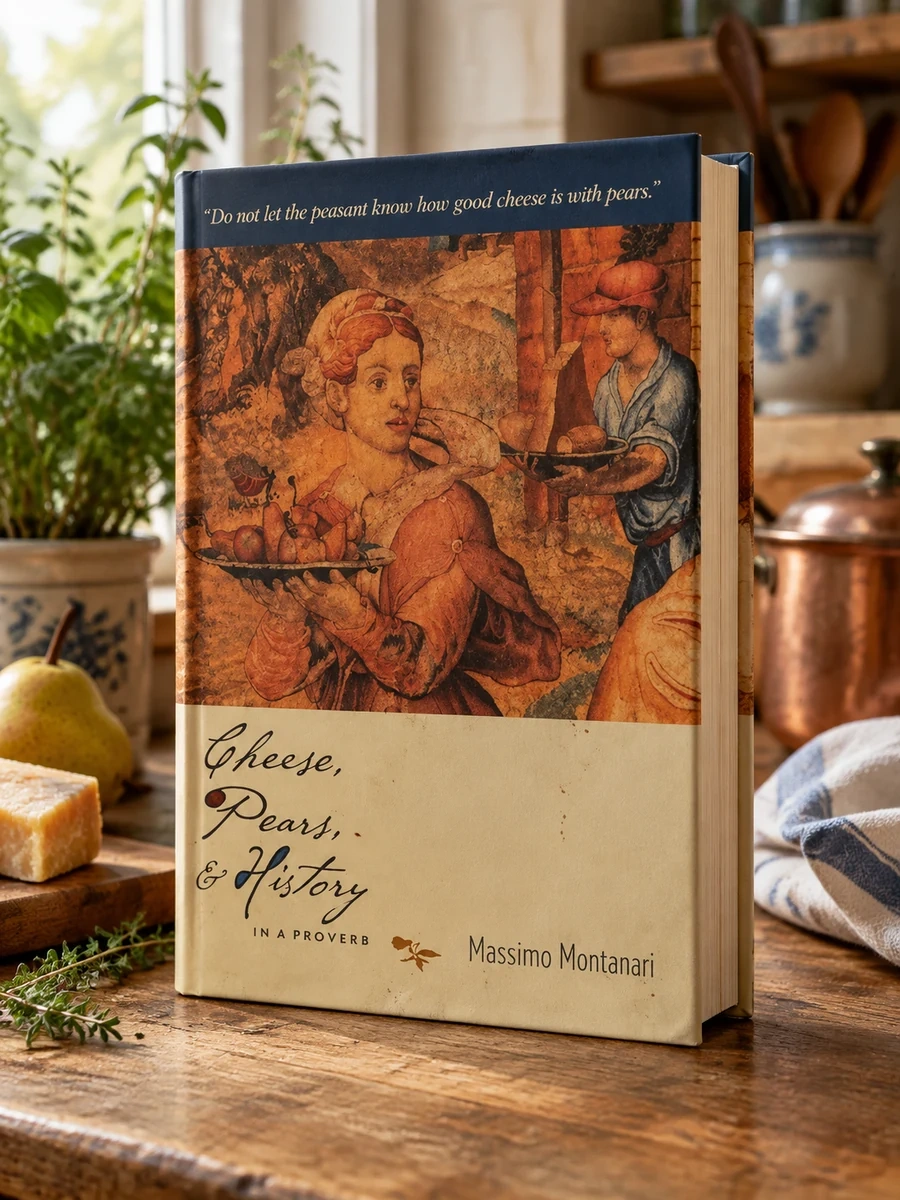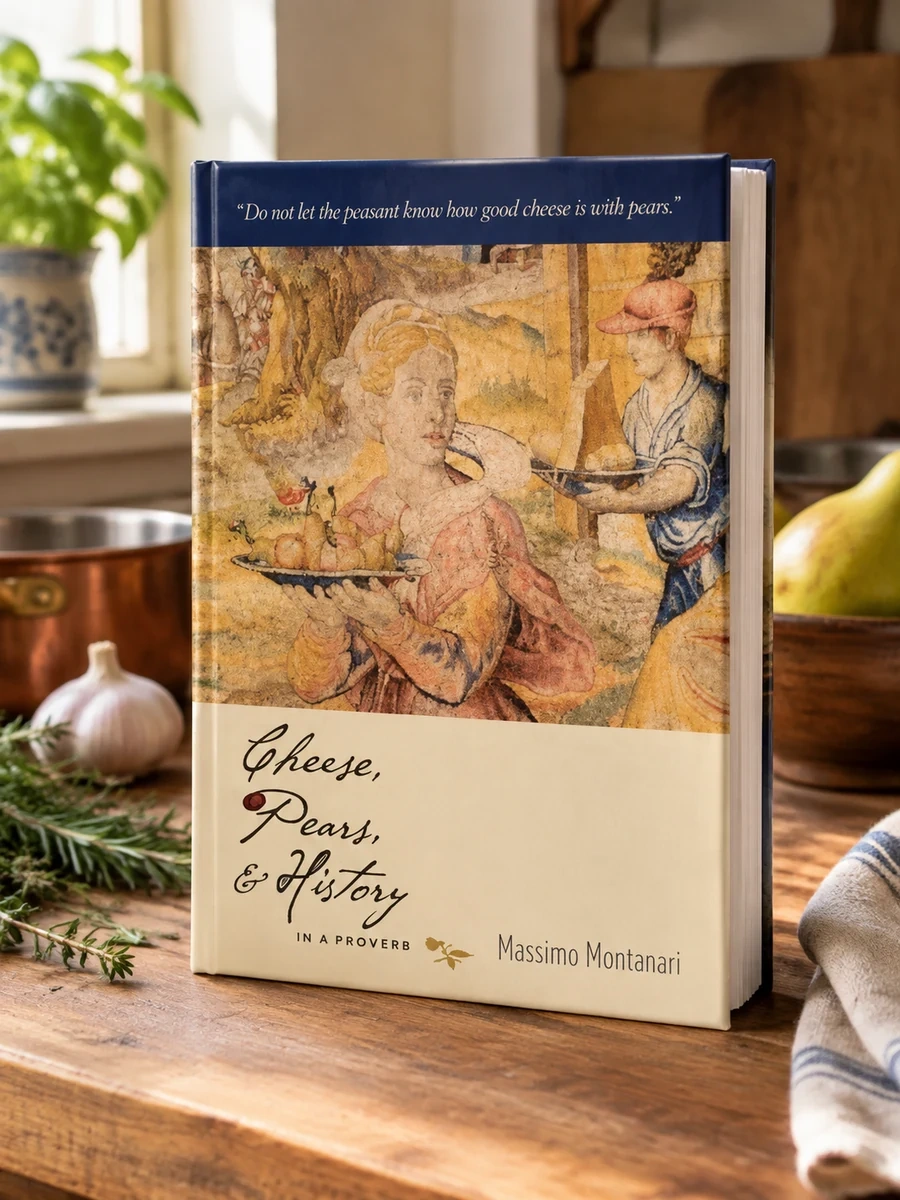
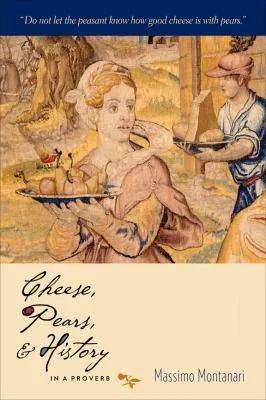
Cheese, Pears, & History in a Proverb
✍️ Montanari, MassimoA scholarly history of how cheese and pears became a cultural symbol.
Montanari analyzes the divergent origins of two common foods. Cheese began as a symbol of barbarism, linked to Polyphemus. Pears represented elite luxury. Their convergence created a new social marker. The author uses historical texts to show how taste became a cultural attitude. This shift reflected broader economic and social changes in Europe. The study highlights the power of mental representation in defining what is edible or refined. It reveals how proverbs encode complex social conflicts. Readers gain insight into the nobility's demanding palettes. The narrative connects medieval dietary habits to modern perceptions. It challenges simplistic views of food history by showing deep roots in class distinction.
Montanari situates his study within European and Italian contexts, drawing on sources from medieval times onward. He examines how the nobility's delicate stomachs influenced dietary preferences. The work bridges written archives and oral traditions to explain the evolution of taste in Western culture.


📝 Description: Cheese, Pears, & History in a Proverb
💎 Expert review
⭐ Reader reviews
Reader rating
Montanari offers a sharp, scholarly look at how proverbs encode social conflict. The text effectively traces the journey of these foods from rough origins to high society. However, this is not a cookbook. It lacks instructions for preparation or ingredient lists. Readers expecting practical cooking advice will find it dry and irrelevant. It is best suited for academics or history buffs who enjoy dense theoretical discussions about food culture.
❓ Frequently asked questions
📖 Who should read this
Readers interested in food history and cultural anthropology will appreciate this concise study. It suits those who enjoy analyzing how social class shapes dietary habits rather than home cooks seeking practical recipes for immediate kitchen use.