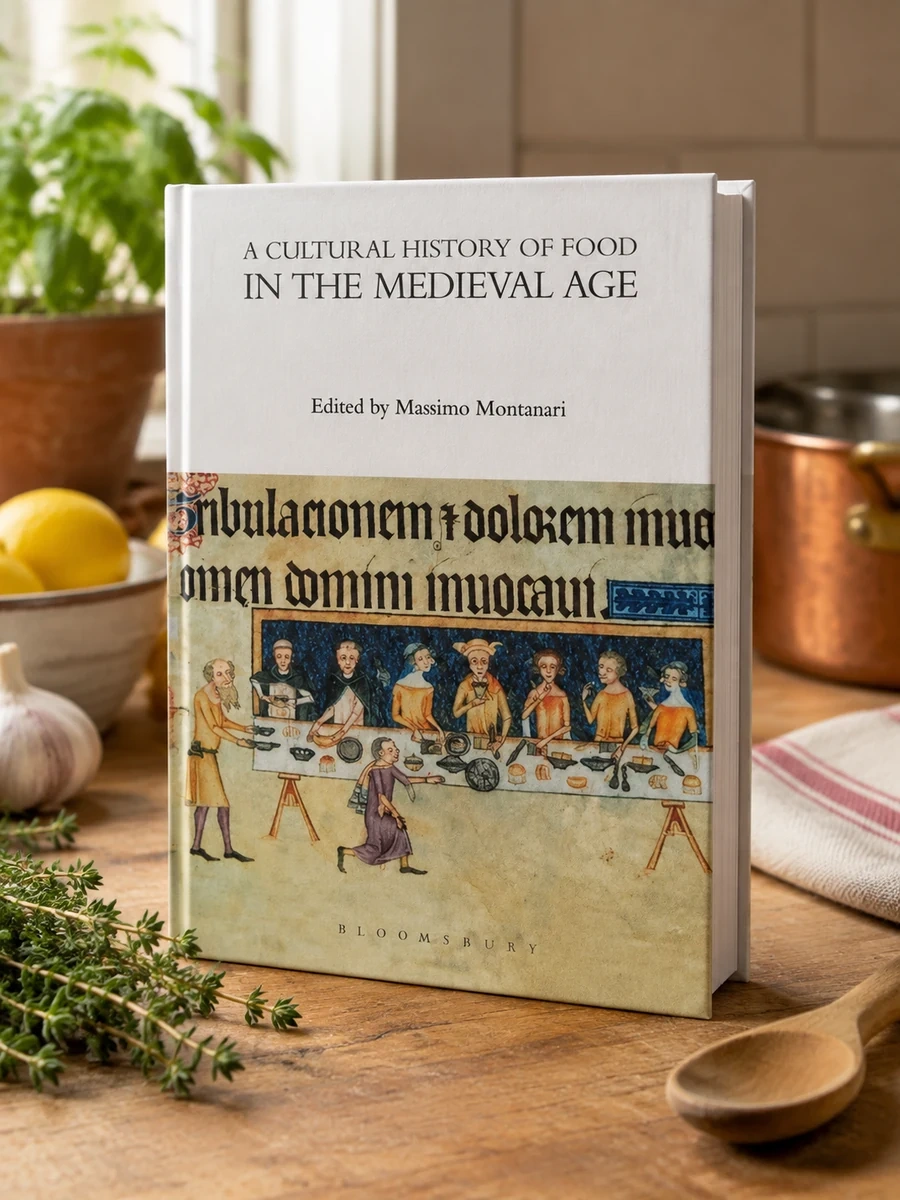
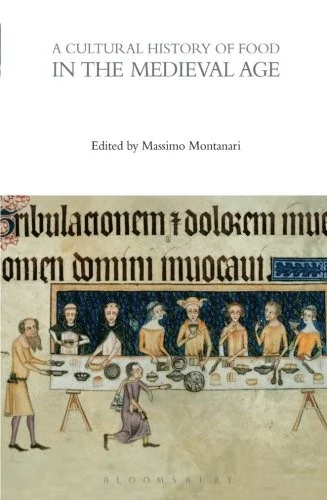
A Cultural History of Food in the Medieval Age
✍️ Montanari, MassimoMontanari analyzes how medieval food shaped European society from five hundred to thirteen hundred CE.
This work moves beyond simple chronology to examine the structural role of food in medieval life. Montanari connects agricultural practices with political power, showing how control over resources defined social hierarchies. The essays reveal how trade routes introduced new spices and cuisines, altering local diets. Religious rituals dictated fasting rules and feast days, embedding food deeply into spiritual practice. The text also considers the physical body and its relationship to sustenance, offering insight into health perceptions of the era. By linking domesticity with global trade, Montanari presents a holistic view of how eating habits contributed to the formation of medieval Europe.
Europe formed in the Middle Ages through the merging of Roman Mediterranean and Northern European traditions. Between five hundred and thirteen hundred CE, food became integral to political, economic, and religious structures. Trade, war, and the Black Death significantly influenced these developments.


📝 Description: A Cultural History of Food in the Medieval Age
💎 Expert review
📖 Why choose it
Why this book is worth reading
This book serves scholars of social history and those deeply interested in the origins of European culinary traditions who seek to understand the structural forces behind medieval sustenance. Montanari provides a holistic view by linking domesticity with global trade, revealing how political power and religious rituals dictated dietary habits. Readers will gain insight into how agricultural practices defined social hierarchies and how trade routes altered local diets through spice imports. It is essential for understanding the complex interplay between body image, food security crises, and the symbolic meaning of meals. By analyzing culinary literature and professional cooks, the text offers a nuanced perspective on how eating habits contributed to the formation of medieval Europe, making it valuable for those studying the evolution of societal norms through the lens of consumption.
⭐ Reader reviews
Reader rating
Montanari’s work is a dense academic analysis rather than a practical guide for the modern cook. It focuses on the structural role of food in medieval life, connecting agriculture to political power and religious ritual. While insightful for historians examining social hierarchies and trade influences, it will likely frustrate readers seeking recipes or cooking techniques. The tone is scholarly and theoretical, prioritizing historical context over culinary instruction. Those looking for inspiration for their own kitchens should look elsewhere. This title is strictly for those analyzing how eating habits evolved alongside political changes.
❓ Frequently asked questions
📖 Who should read this
This title is for readers interested in social history rather than home cooks seeking recipes. It suits academics and enthusiasts who want to understand how medieval dietary habits influenced European society and political structures during the specified era.