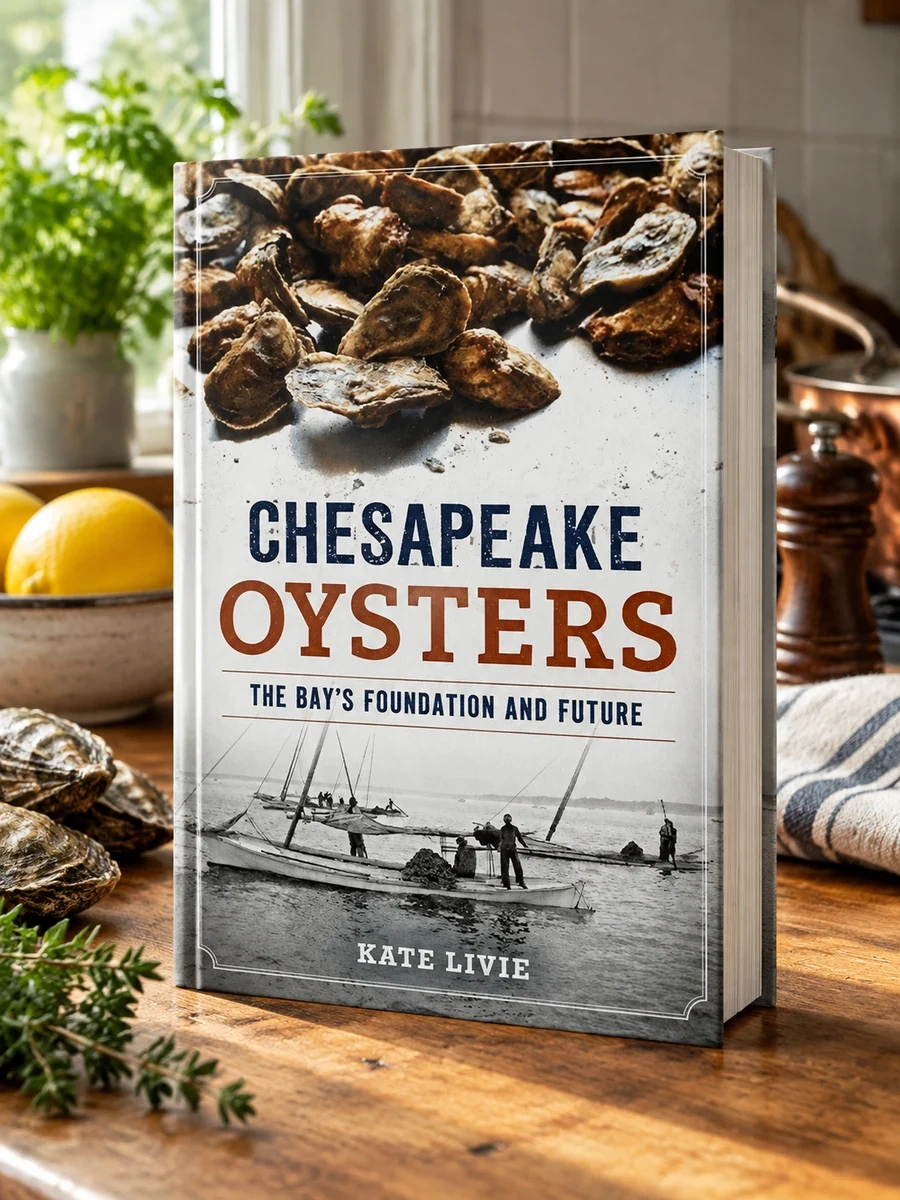
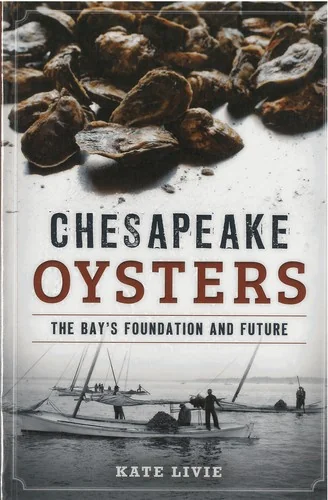
Chesapeake Oysters: The Bay's Foundation and Future
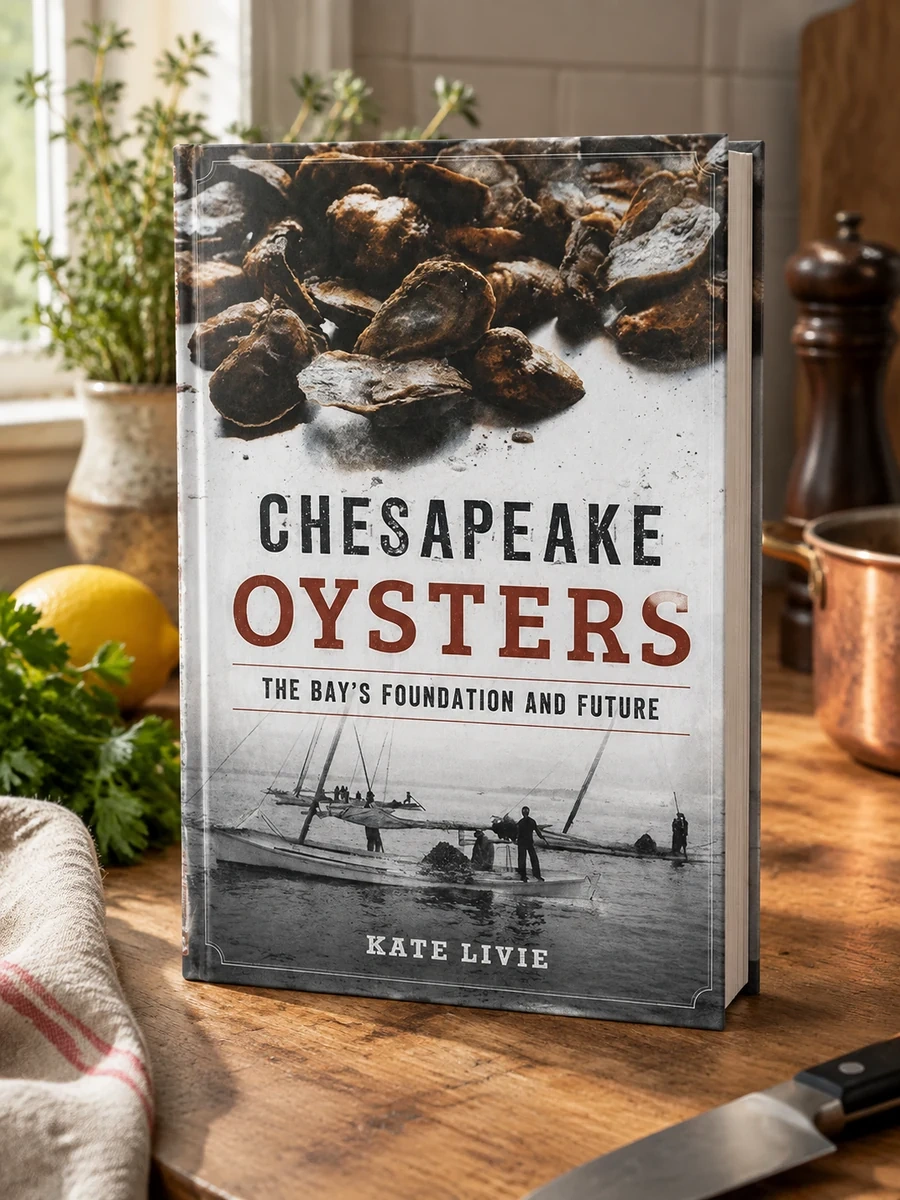
✍️ Livie, KateA history of Chesapeake oysters from colonial abundance to modern sustainable farming.
This volume focuses on the eastern oyster as the lifeblood of the Chesapeake region. It contrasts the impossibly abundant shores encountered by early colonists with the decimated populations resulting from Gilded Age exploitation. The text highlights the shift toward boutique farming that meets new culinary demands while addressing the ongoing debate between Virginia’s bottom-leasing and Maryland’s aquaculture versus wild harvesting strategies.
The book sits within the context of the United States Middle Atlantic states, specifically focusing on Maryland and Virginia. It addresses subjects ranging from local state history to agricultural business practices and seafood industry economics during the twentieth century.


📝 Description: Chesapeake Oysters: The Bay's Foundation and Future
💎 Expert review
📖 Why choose it
Why this book is worth reading
Readers interested in American Middle Atlantic history, agricultural policy, and seafood industry economics gain a comprehensive look at the Chesapeake region's most vital resource. Kate Livie utilizes careful research and interviews with experts to present a dynamic story that bridges historical abundance with modern culinary demand. The text details the complex shift toward boutique farming and contrasts neighboring state strategies, specifically noting Virginia's adoption of bottom-leasing against Maryland's ongoing debate between aquaculture and wild harvesting strategies. Those seeking to understand the intersection of environmental pressure, Gilded Age exploitation, and contemporary sustainable cultivation will find this exploration deeply informative and valuable.
⭐ Reader reviews
Reader rating
Kate Livie delivers a compelling examination of the eastern oyster, tracking its evolution from massive historical bivalves through devastating population declines caused by disease, environmental pressures, and overconsumption. The narrative effectively contrasts early colonial shores with the era of great skipjack fleets and modern boutique farming, offering a clear view of how the region manages its foundational species. However, potential buyers should note that this work is strictly a historical and ecological exploration rather than a collection of recipes or a general regional travel guide. It will not appeal to readers seeking culinary instructions or kitchen techniques, but rather serves as a specialized study for those invested in regional heritage, policy, and industry economics.
❓ Frequently asked questions
📖 Who should read this
Readers interested in Maryland and Virginia history will appreciate this volume. It suits those studying regional agriculture or environmental policy. The text appeals to individuals curious about the economic shifts in oyster farming and the cultural significance of the Chesapeake Bay ecosystem over time.