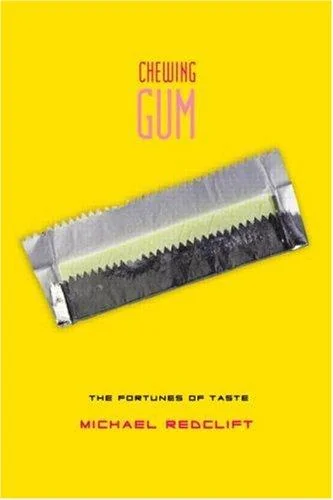
Chewing Gum: The Fortunes of Taste
✍️ Redclift, MichaelA cultural history linking American gum to Mayan revolution and extraction violence.
This work investigates the social and environmental costs behind a common American treat. Redclift argues that modern pleasures are frequently powered by scenes of chaos and oppression. The book focuses on the Yucatan jungle where chicle was harvested. It describes how this resource fueled both mass culture in the United States and an indigenous revolution in Mexico. The narrative highlights the Wrigley family's role in funding Mayan fighters for autonomy. This creates a direct link between Chicago industry and Southern Mexican forests. The author uses sociology and human geography to explain these connections. The study shows how peasant movements were intertwined with global commodity chains. It does not offer culinary advice but rather a critical look at supply chains.
Published in 2004 by Routledge, this book sits at the intersection of social history and environmental science. It examines American mass culture through the lens of indigenous struggles in Southern Mexico during the late twentieth century.


📝 Description: Chewing Gum: The Fortunes of Taste
💎 Expert review
📖 Why choose it
Why this book is worth reading
Readers interested in the hidden costs of consumer goods will find this account compelling because it exposes the violent origins of a common American treat. Redclift traces how chicle extraction fueled an indigenous revolution, linking Yucatan forests to Chicago industry. It appeals to those seeking critical analysis of supply chains rather than culinary advice. The book reveals how modern pleasures are powered by oppression, offering a unique perspective on mass culture. By bridging environmental science and social sociology, it provides deep insight into the paradox of industrial success built on indigenous resistance, making it essential for understanding the true price of daily enjoyment.
⭐ Reader reviews
Reader rating
This title is not for readers seeking simple recipes or technical chemistry guides. It is a rigorous cultural history that demands attention to complex historical conflicts in Southern Mexico and Chicago business practices. The narrative focuses on the Wrigley family's role in funding Mayan fighters, creating an ironic dynamic between gum profits and independence struggles. It suits those willing to engage with sociology and human geography to understand how resources fueling daily enjoyment stem from scenes of chaos.
❓ Frequently asked questions
📖 Who should read this
Readers interested in the hidden history of everyday consumer goods will find this compelling. It suits those who prefer critical analysis over culinary instruction. Ideal for students of environmental science or sociology seeking to understand the complex supply chains behind common American treats and their global impact.