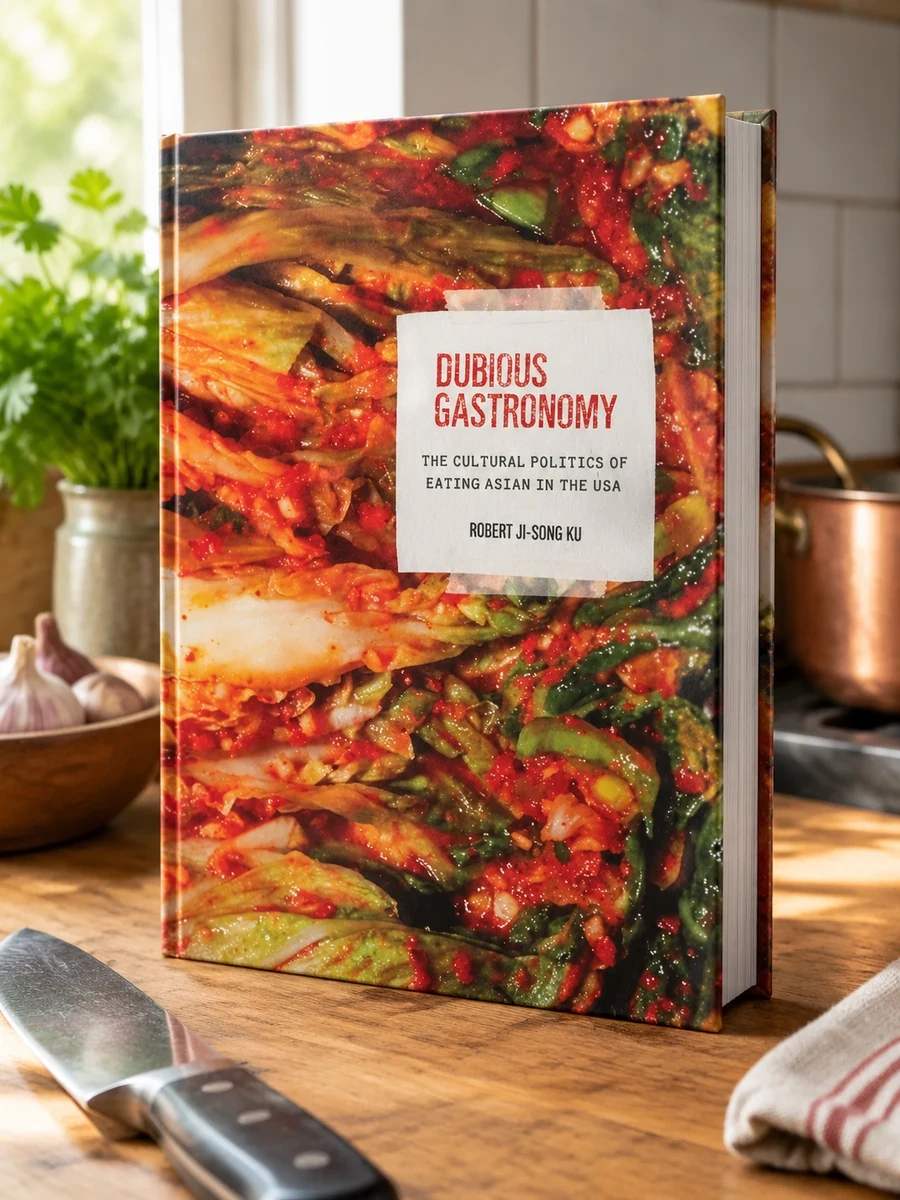
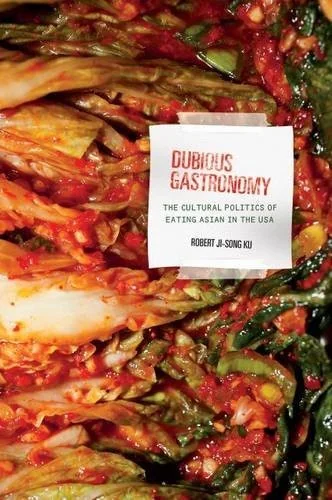
Dubious Gastronomy: The Cultural Politics of Eating Asian in the USA
✍️ Ku, Robert Ji-SongA study of hybrid Asian American foods and their cultural significance
Ku investigates how certain foods are labeled as debased manifestations of real Asian culture. He posits that these items share a spiritual fellowship with Asians in the United States who face similar accusations of being watered-down or counterfeit. The book critically considers the impure and hybridized aspects of Asian gastronomy to argue that the apocryphal is not necessarily negative. Ku suggests that culinary expressions in various American cities are critical to understanding the meaning of Asian food. This perspective overlaps disciplines including literary studies and anthropology. The author writes with serious and whimsical intent to show that the notion of authenticity is troubled. He ultimately asserts that while cultural standards are rigid, the dubious can be delicious.
The book addresses Asian diasporic studies and Asian American studies within the United States. It compares culinary expressions in cities like Los Angeles, Honolulu, New York City, and Baton Rouge to historical traditions in Tokyo, Seoul, and Shanghai. Ku amalgamates these areas to discuss the political standards of authentic Asia and America.


📝 Description: Dubious Gastronomy: The Cultural Politics of Eating Asian in the USA
💎 Expert review
📖 Why choose it
Why this book is worth reading
Readers interested in the intersection of culture, politics, and diet will find significant value in this theoretical exploration. Ku challenges the notion that hybridized foods are inferior, arguing instead that they hold deep cultural significance for Asian Americans navigating identity in America. By analyzing dishes like the California roll and SPAM across various cities, the book demonstrates how these 'imperfect' culinary expressions reflect real historical and social experiences. It is essential for those who wish to understand how diasporic communities negotiate their place through everyday practices rather than adhering to rigid standards of authenticity.
⭐ Reader reviews
Reader rating
Ku presents a sophisticated argument that debased or hybridized Asian foods are not counterfeit but vital cultural artifacts. However, this is not a practical guide for the home cook. Readers seeking straightforward recipes or traditional historical accounts will likely find the theoretical approach less engaging and perhaps frustrating. The text bridges literary studies and anthropology, making it dense rather than accessible for casual readers. It suits scholars and critics interested in the politics of eating but fails those looking for culinary instruction or simple narrative enjoyment.
❓ Frequently asked questions
📖 Who should read this
Readers interested in cultural studies and Asian American history will find this text essential. It suits scholars analyzing food politics rather than home cooks seeking recipes. The work appeals to those examining how hybrid cuisines challenge rigid notions of authenticity within the United States.