12,300+ cookbooks Ships from the US · 30-day returns
👤 My Account
🔪 Methods & Techniques

Minimally Processed Fruits and Vegetables

✍️ Tapia, Maria Soledad
Reader Score
4.6
(1 review)
$169.99
In stock — ready to ship Ships in 1–2 business days
📚 WHAT THE BOOK IS ABOUT

A technical guide to preserving produce with minimal processing for food scientists.

Tapia structures this reference work around the balance between processing intensity and sensory quality. The book moves from microbiological concerns to technological solutions and finally to legal frameworks. It highlights innovations from multinational projects and compares regulations in major global markets. This approach provides a comprehensive view of the industry's technical and regulatory landscape.

Key Themes
microbial control preservation technologies legal aspects
Literary Context

Published in 2000 as part of the Aspen Food Engineering Series, this book reflects the early 2000s focus on minimizing processing. It covers legal standards in the United States, Europe, South America, and Asia, showing a global perspective on food engineering.


Difficulty
●●● Challenging
Recommended For Fans Of
Food scientists specializing in preservation technology · Regulatory affairs professionals in the food industry · Engineers working on industrial processing systems
🔪
Methods & Techniques
🏛 Springer 📅 2000 📔 Hardcover ISBN: 9780834216723
📚 This Book in Collections

📝 Description: Minimally Processed Fruits and Vegetables

With increasing process severity, sensory quality of foods usually decreases. Maria Soledad Tapia addresses this trade-off by examining preservation methods that minimize processing for fruits and vegetables. This reference work covers basic information alongside new issues and refined technologies in the field. The text begins by discussing the detection and control of both beneficial and harmful microorganisms within plant tissues. It then surveys a range of existing preservation technologies before moving to innovations being developed in landmark multinational projects. The final section addresses the legal aspects of minimally processed produce across the United States, Europe, South America, and Asia. This volume serves as a technical resource for food scientists and engineers rather than home cooks. It focuses on industrial applications and regulatory frameworks rather than culinary recipes or traditional preservation methods like pickling or drying. The content relies on current scientific data and international legal standards. Readers seeking practical kitchen advice will find little utility here, while professionals in food technology will appreciate the detailed examination of microbial control and global regulations.

💎 Expert review

“
🍳
Eatbook Family editorial team
Cookbook desk
Tapia’s work is a dense, authoritative reference that prioritizes scientific rigor over accessibility. While it provides a thorough examination of microbial detection and global regulations, it lacks the warmth or practical guidance expected in a typical cookbook shop. This volume does not suit home cooks, culinary enthusiasts, or readers seeking recipe-based content. It is strictly for professionals dealing with industrial food technology. It stands as a vital tool for engineers and scientists but remains largely irrelevant to the general public interested in cooking or nutrition from a lifestyle perspective.
✓ EDITOR'S REVIEW

📖 Why choose it

📖

Why this book is worth reading

This volume serves as an essential technical resource for food scientists and engineers navigating the complex trade-off between processing intensity and sensory quality. Professionals will gain valuable insights into microbial control strategies, technological innovations from multinational projects, and the intricate legal frameworks governing minimally processed produce across the United States, Europe, South America, and Asia. It is designed for those requiring current scientific data and international standards rather than culinary inspiration. Readers seeking practical kitchen advice or traditional preservation methods like pickling will find little utility here. Instead, this book offers a comprehensive view of the industry's technical landscape, making it indispensable for experts focused on industrial applications and regulatory compliance in food technology.

⭐ Reader reviews

The starting rating comes from the team Eatbook Family —
⭐ eatbookfamily.com editorial review Editorial rating 4.6/5
★★★★★
Food scientists and preservation specialists seeking technical guidance on balancing processing intensity with sensory quality. This resource suits professionals in canning, preserving, and food technology who need to understand microbiological concerns and global regulatory frameworks for…

Reader rating

4.6
Based on 1 reviews
5
0
4
1
3
0
2
0
1
0
E
Eatbook Family editorial team

Tapia’s work is a dense, authoritative reference that prioritizes scientific rigor over accessibility. While it provides a thorough examination of microbial detection and global regulations, it lacks the warmth or practical guidance expected in a typical cookbook shop. This volume does not suit home cooks, culinary enthusiasts, or readers seeking recipe-based content. It is strictly for professionals dealing with industrial food technology. It stands as a vital tool for engineers and scientists but remains largely irrelevant to the general public interested in cooking or nutrition from a lifestyle perspective.

❓ Frequently asked questions

No, it is a technical reference for food scientists focusing on the balance between processing intensity and sensory quality rather than providing culinary instructions.
360 pages, hardcover.
Published in 2000 by Springer.
Orders ship from a US warehouse. The shipping cost is shown before you pay, and returns are accepted within 30 days.

📖 Who should read this

Food scientists and preservation specialists seeking technical guidance on balancing processing intensity with sensory quality. This resource suits professionals in canning, preserving, and food technology who need to understand microbiological concerns and global regulatory frameworks for minimally processed produce.
📜 Historical context

This Springer reference work explores how to preserve produce while reducing processing steps. It covers microbial safety, technological methods, and international laws. The book draws on multinational research and contrasts rules across major markets.

🏛 Books from this publisher Springer

All books from this publisher →
Confectionery Science and Technology (2018) 🔥 Bestseller
★★★★★
★★★★★
4.6
Hartel, Richard W
Confectionery Science and Technology (2018)
$159.99
86
Lactic Acid Bacteria in Foodborne Hazards Reduction: Physiology to Practice (2018)
★★★★★
★★★★★
4.7
Chen, Wei
Lactic Acid Bacteria in Foodborne Hazards Reduction: Physiology to Practice (2018)
$169.99
87
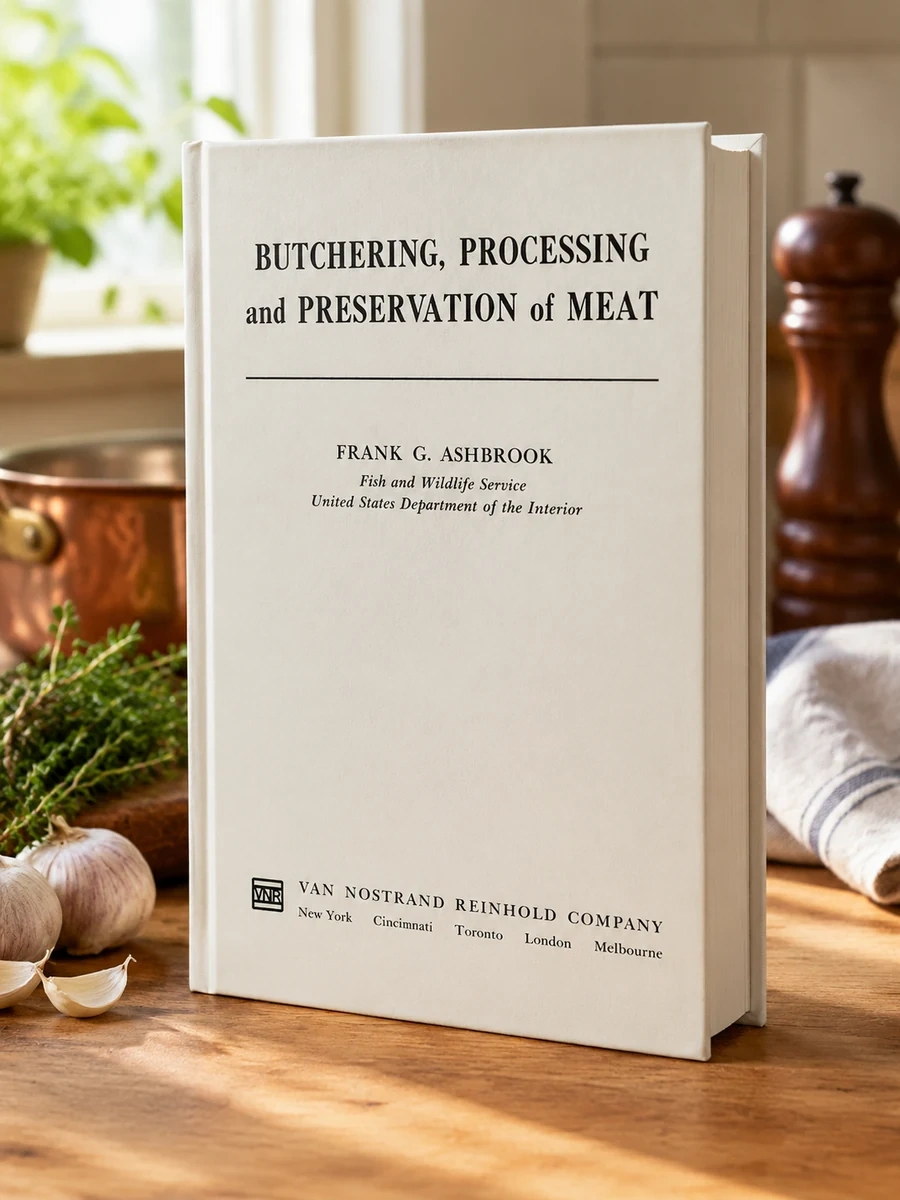
Butchering, Processing and Preservation of Meat (1955)
★★★★★
★★★★★
4.6
Ashbrook, Frank G
Butchering, Processing and Preservation of Meat (1955)
$139.99
84
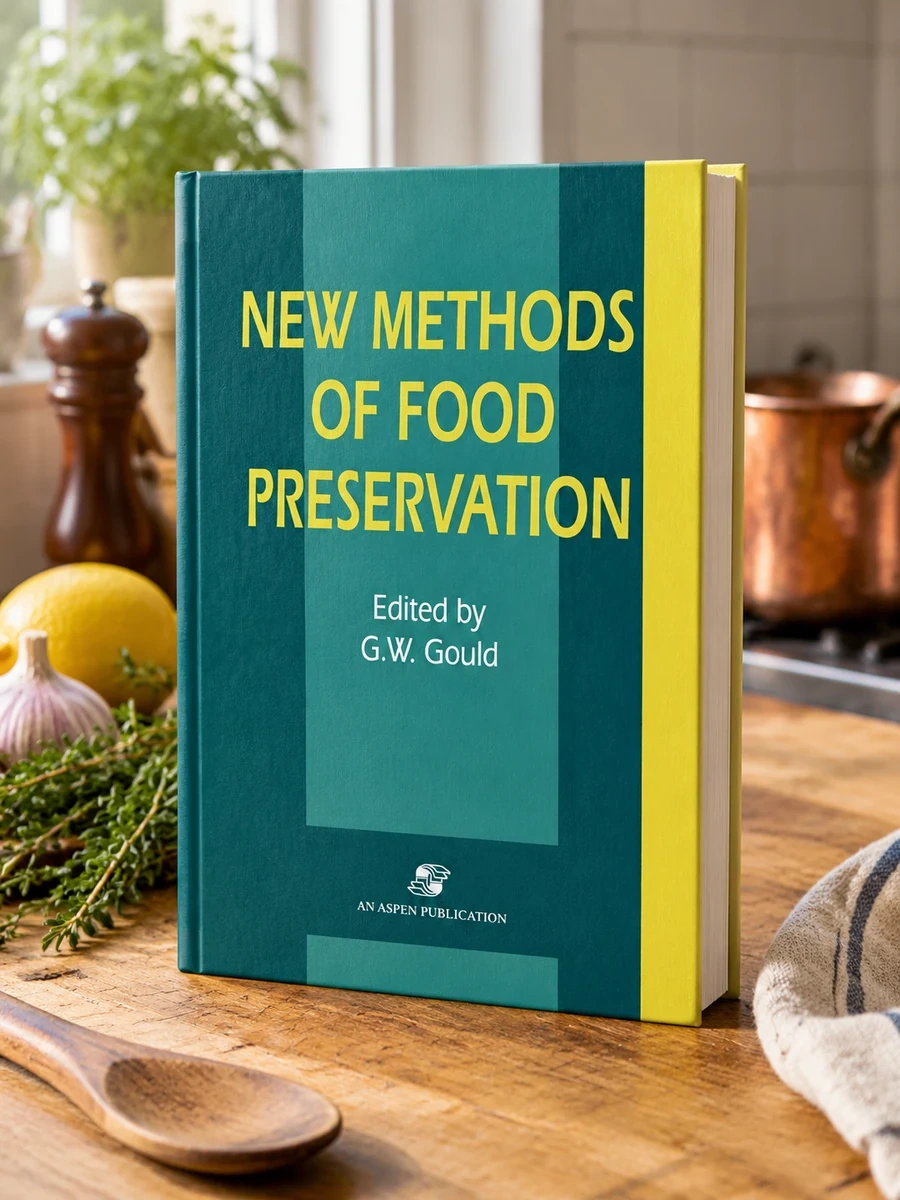
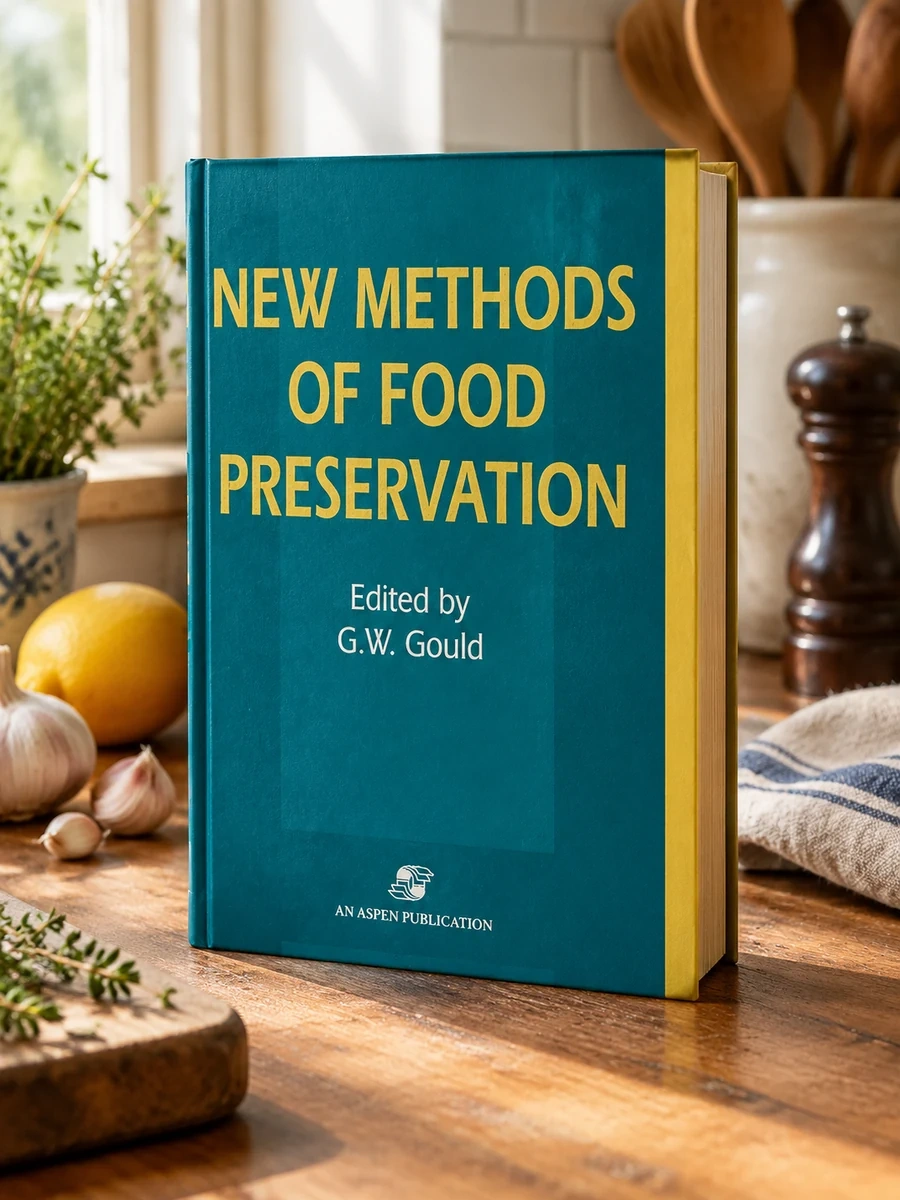
New Methods of Food Preservation
★★★★★
★★★★★
4.6
Gould, Grahame W
New Methods of Food Preservation
$169.99
86
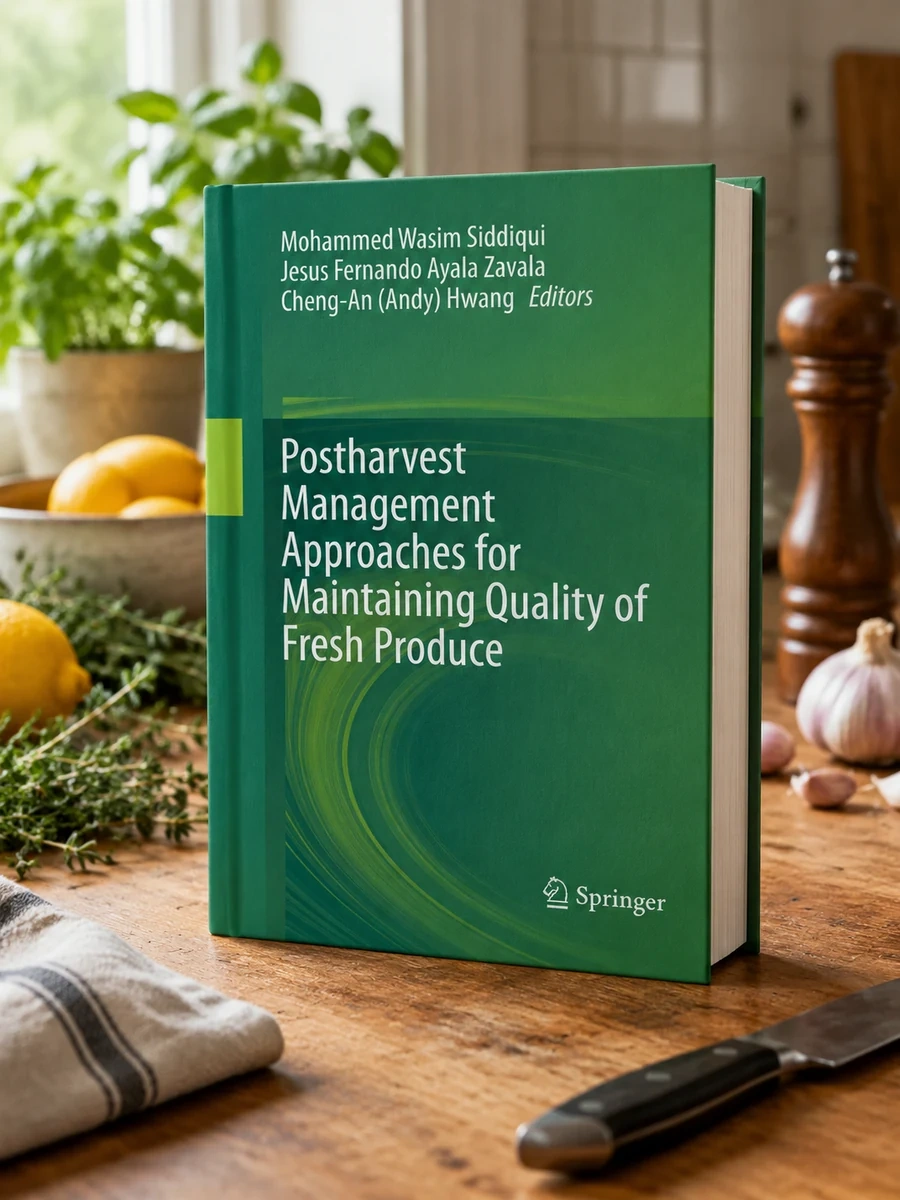
Postharvest Management Approaches for Maintaining Quality of Fresh Produce (Softcover Reprint of the Original 1st 2016)
★★★★★
★★★★★
4.7
Siddiqui, Mohammed Wasim
Postharvest Management Approaches for Maintaining Quality of Fresh Produce (Softcover Reprint of the Original 1st 2016)
$109.99
88
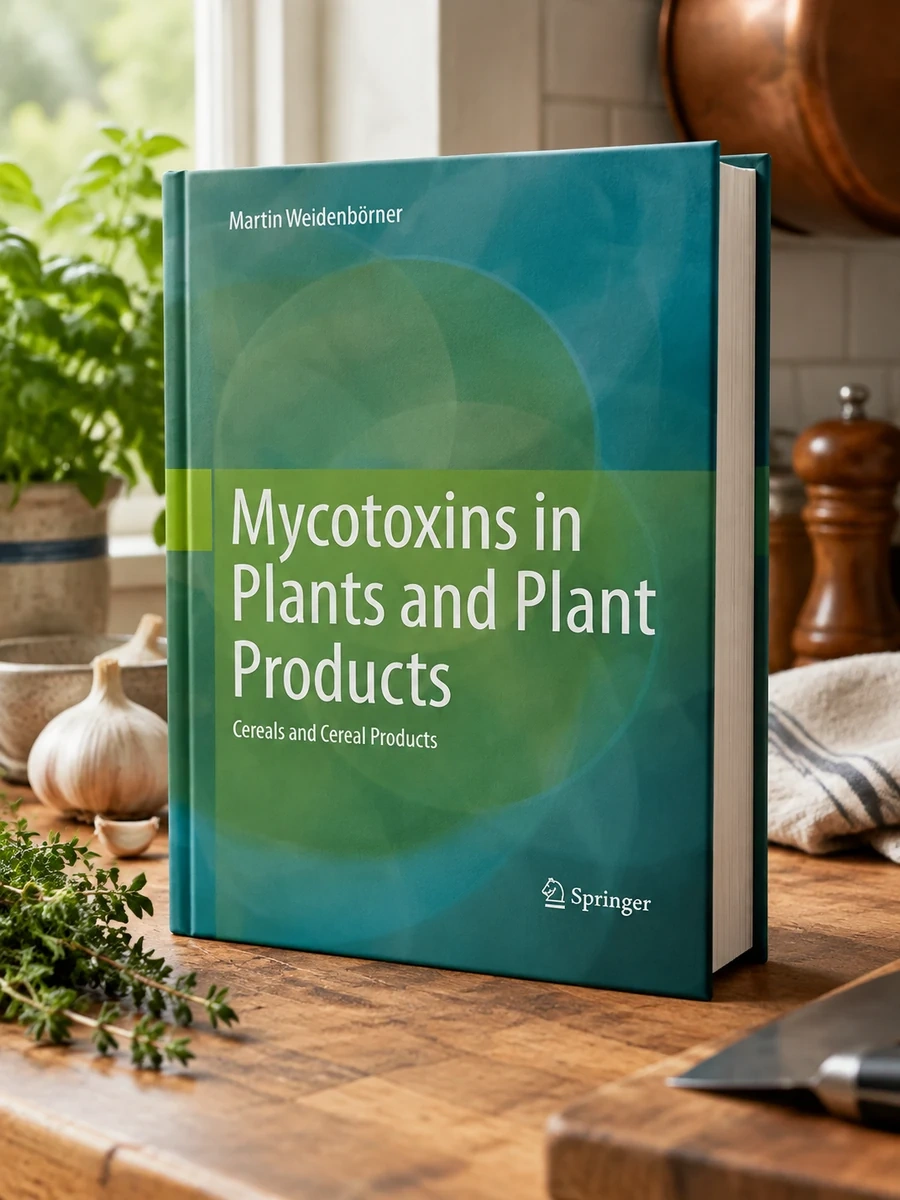
Mycotoxins in Plants and Plant Products: Cereals and Cereal Products (Softcover Reprint of the Original 1st 2017)
★★★★★
★★★★★
4.5
Weidenborner, Martin
Mycotoxins in Plants and Plant Products: Cereals and Cereal Products (Softcover Reprint of the Original 1st 2017)
$279.99
81

You might also like

See more →
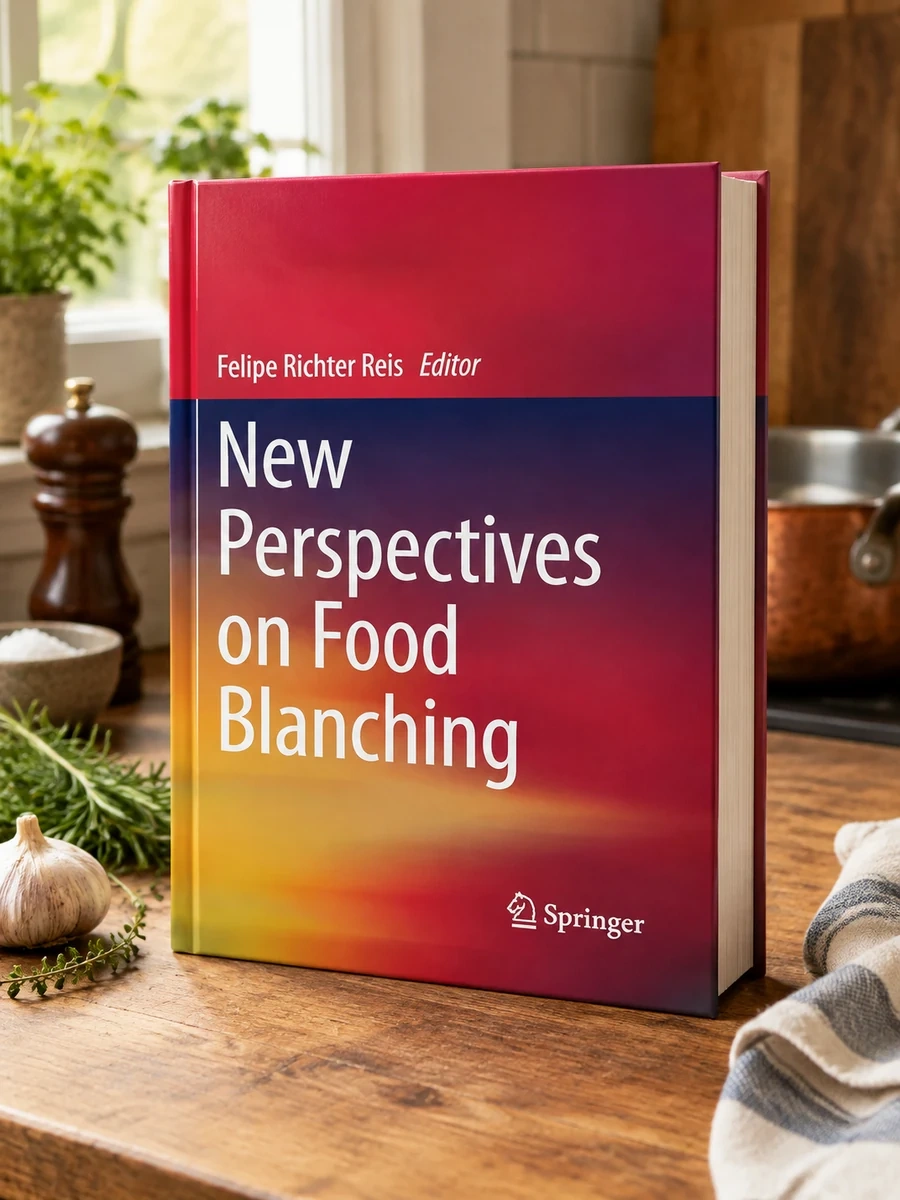
New Perspectives on Food Blanching (2017)
★★★★★
★★★★★
4.8
Richter Reis, Felipe
New Perspectives on Food Blanching (2017)
$54.99
91
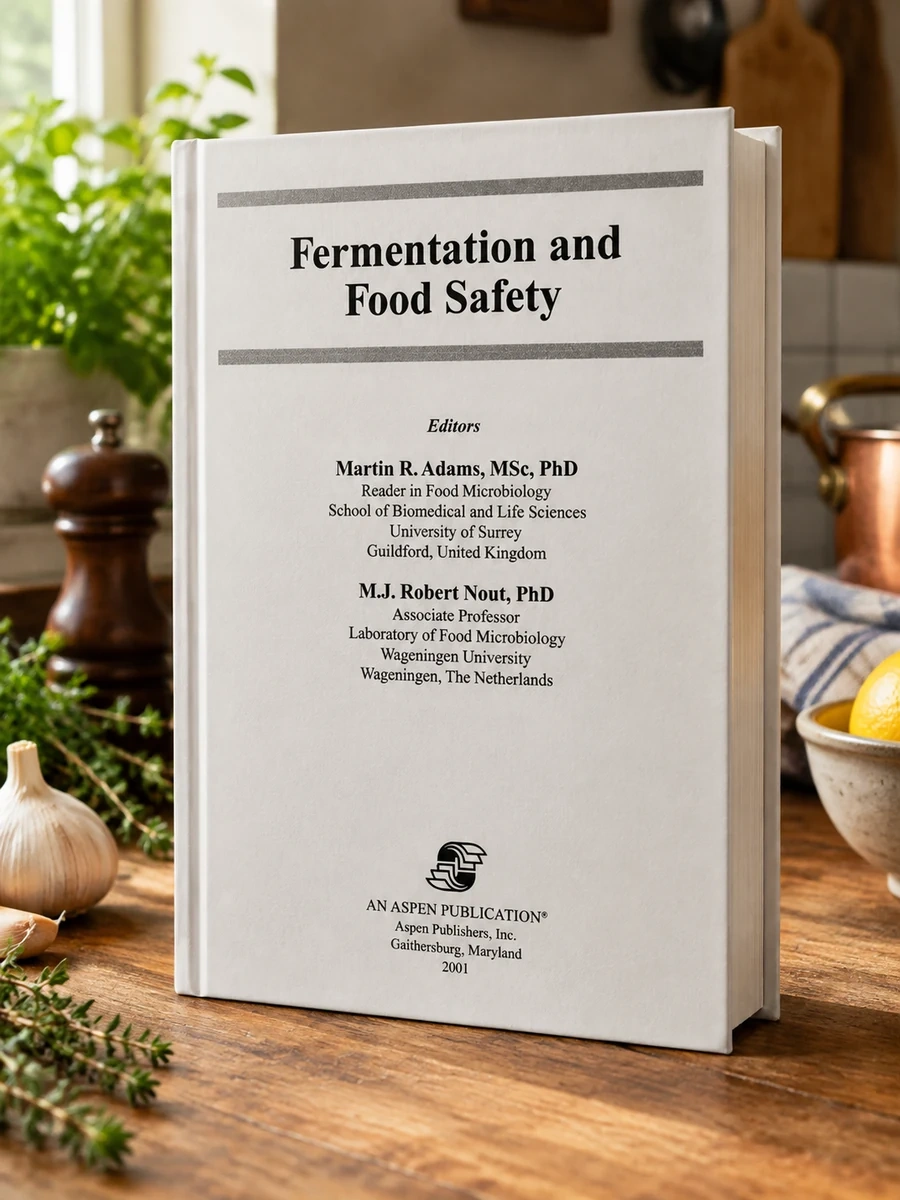
Fermentation and Food Safety
★★★★★
★★★★★
4.7
Adams, Martin
Fermentation and Food Safety
$169.99
90
New Methods of Food Preservation ( and)
★★★★★
★★★★★
4.7
Gould, Grahame W
New Methods of Food Preservation ( and)
$169.99
90
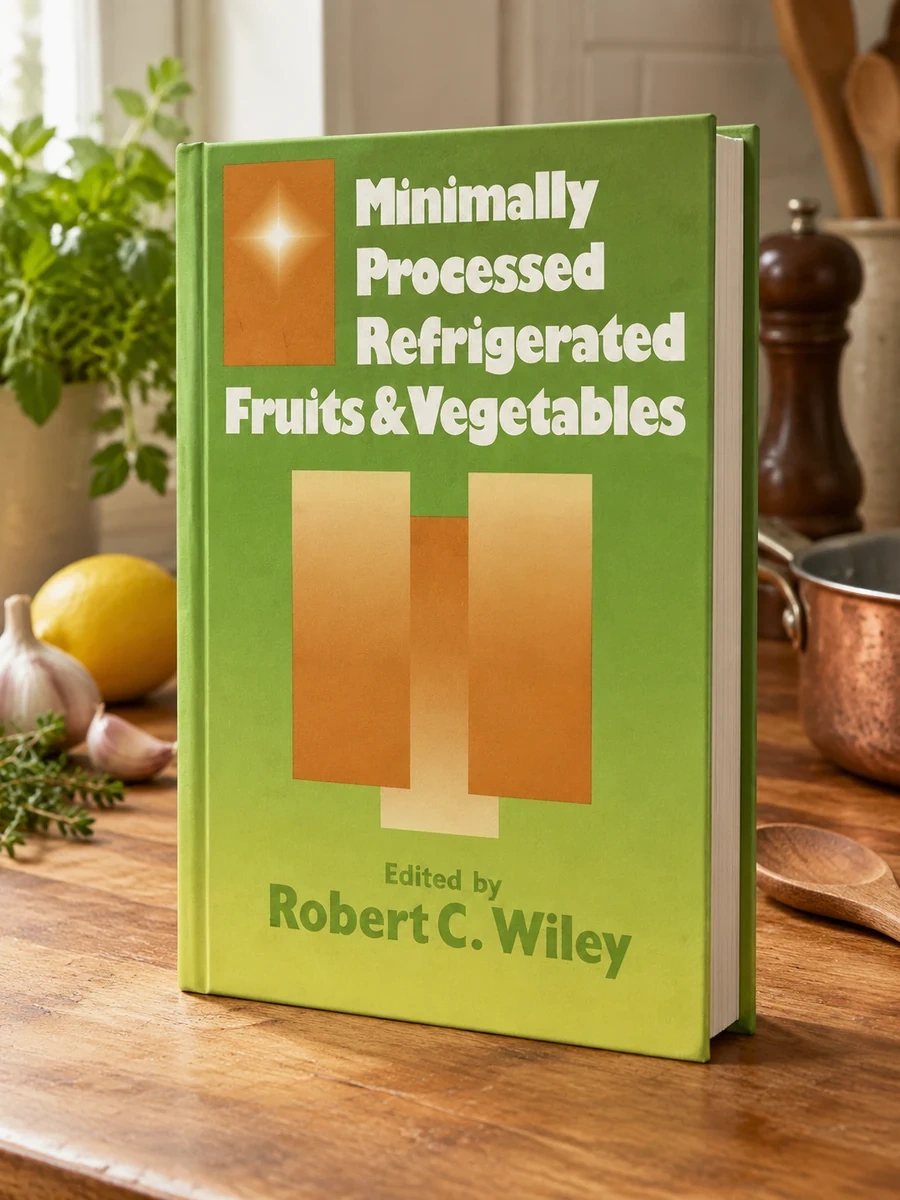
Minimally Processed Refrigerated Fruits & Vegetables
★★★★★
★★★★★
4.7
Wiley, R C
Minimally Processed Refrigerated Fruits & Vegetables
$109.99
89
Food Quality and Consumer Value: Delivering Food That Satisfies (2003)
★★★★★
★★★★★
4.6
Schroder, Monika J a
Food Quality and Consumer Value: Delivering Food That Satisfies (2003)
$169.99
85
Dehydration of Foods (1996)
★★★★★
★★★★★
4.6
Vega-Mercado, Humberto
Dehydration of Foods (1996)
$169.99
84
Food, People and Society: A European Perspective of Consumers' Food Choices (2001)
★★★★★
★★★★★
4.6
Frewer, Lynn J
Food, People and Society: A European Perspective of Consumers' Food Choices (2001)
$219.99
84
Enzymes in Food Processing (1995)
★★★★★
★★★★★
4.6
Tucker, Gregory A
Enzymes in Food Processing (1995)
$169.99
83
Microstructural Principles of Food Processing and Engineering (1999)
★★★★★
★★★★★
4.6
Aguilera, Jose Miguel
Microstructural Principles of Food Processing and Engineering (1999)
$169.99
82
Home Genres
Cart
Wishlist