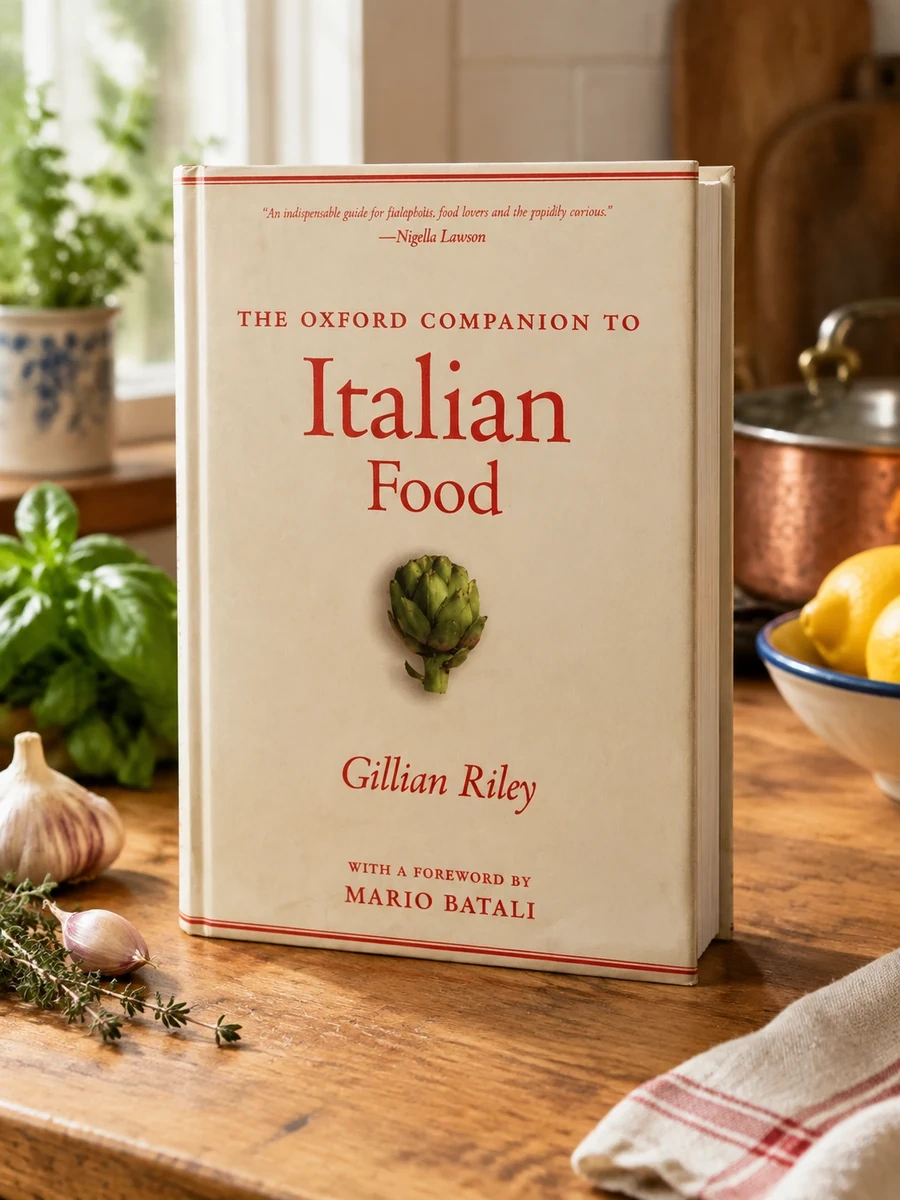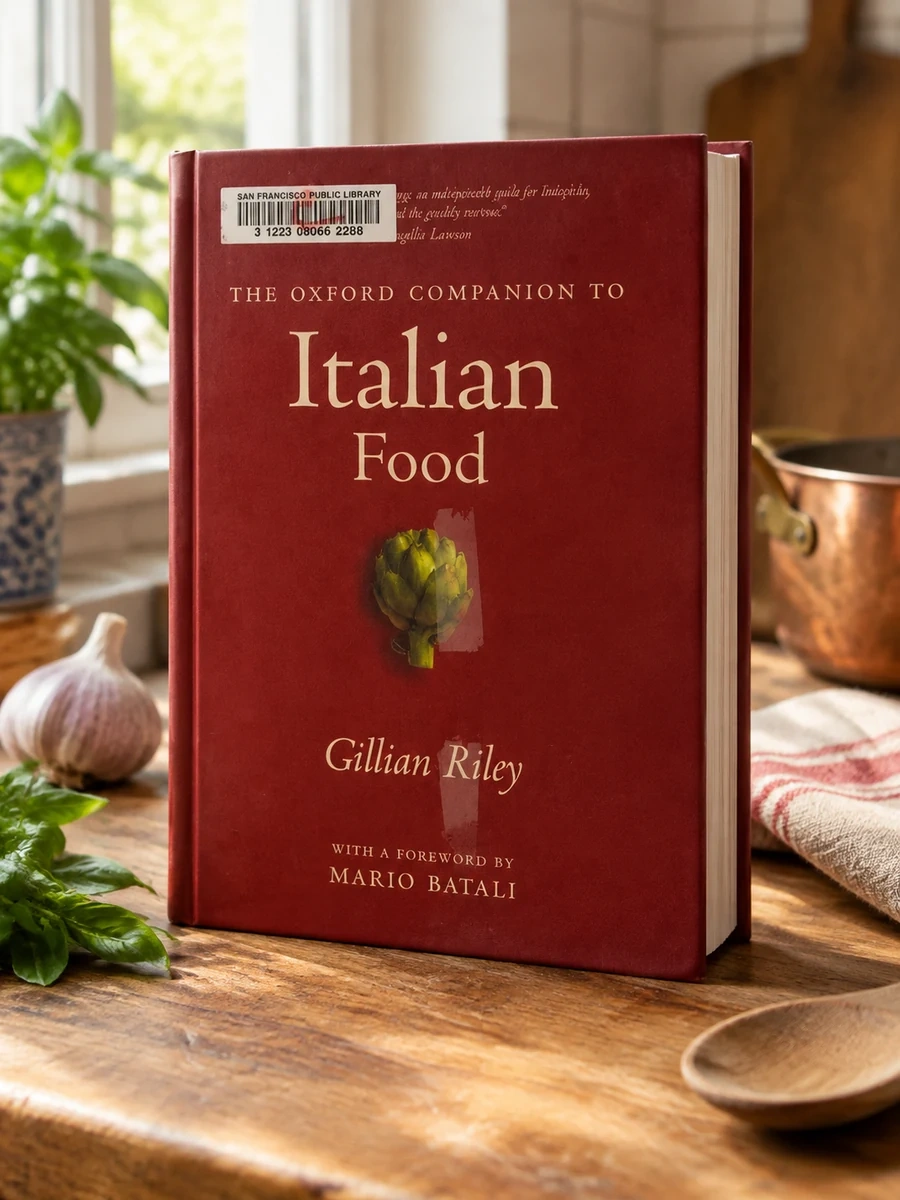
The Oxford Companion to Italian Food
✍️ Riley, GillianA reference guide to Italian food history, culture, and regional specialties by Gillian Riley.
This volume functions as an encyclopedia for Italian culinary heritage rather than a collection of recipes. It details the evolution of food habits in Italy, examining how external influences shaped local traditions. The text covers specific implements and methods used in cooking, offering insight into the practical aspects of gastronomy. It also discusses the cultural significance of various dishes and ingredients across different regions. This approach appeals to readers interested in the sociological and historical dimensions of food. It is less useful for those seeking immediate meal preparation guidance or contemporary food trends.
Published by Oxford University Press in 2007, this work sits within the genre of culinary reference books. It addresses Italian gastronomy through the lens of social science and customs. The text reflects a scholarly approach to documenting the traditions and historical development of Italian food culture.


📝 Description: The Oxford Companion to Italian Food
💎 Expert review
📖 Why choose it
Why this book is worth reading
Gillian Riley’s The Oxford Companion to Italian Food is designed for readers who seek a deep, factual understanding of Italian culinary heritage rather than immediate meal preparation guidance. It serves as an essential reference for those interested in the sociological and historical dimensions of food, offering insight into how external influences shaped local traditions across different regions. Cooks and consumers looking for context on specific implements, methods, and the cultural significance of ingredients will find this hardcover volume invaluable. It bridges the gap between culinary technique and social history, making it suitable for individuals who appreciate structured reference material and clear categorization of topics over narrative storytelling or modern dietary trends.
⭐ Reader reviews
Reader rating
This work is a comprehensive resource for understanding the foundations of Italian food culture, functioning more as an encyclopedia than a recipe collection. It excels in detailing the evolution of food habits and examining regional variations through a historical lens. However, it is explicitly less useful for those seeking immediate meal preparation guidance or contemporary food trends. Readers looking for narrative storytelling may find the focus on historical documentation too rigid. The book’s strength lies in its clear categorization and factual depth, appealing to those who value structured reference material. It is an excellent addition for serious enthusiasts of culinary history but offers little to casual cooks seeking quick inspiration.