If you're wondering where to start with Steven Raichlen, the answer depends less on how many barbecue recipes you want than on what you want to learn at the grill. Raichlen's books cover a broad range of outdoor cooking, from foundational grilling methods and internationally inspired recipes to dedicated smoking projects, sauces, and the particular challenges of cooking a substantial cut of meat.
The easiest mistake is to treat every book as an interchangeable collection of recipes. A general grilling reference, a focused smoking guide, and a book devoted to live-fire experimentation solve different problems. Choose the right starting point and you'll spend less time collecting cookbooks and more time learning how heat, fuel, timing, seasoning, and technique change the result.
This eight-book reading path starts with practical fundamentals, then moves into flavor, smoke, and more specialized cooking. You don't have to read every title in sequence: the first book is the strongest all-purpose starting point, while the later choices depend on whether you own a smoker, want to improve your seasoning, or are ready to experiment with fire beyond conventional grilling.
Start with the fundamentals, then build your flavor vocabulary
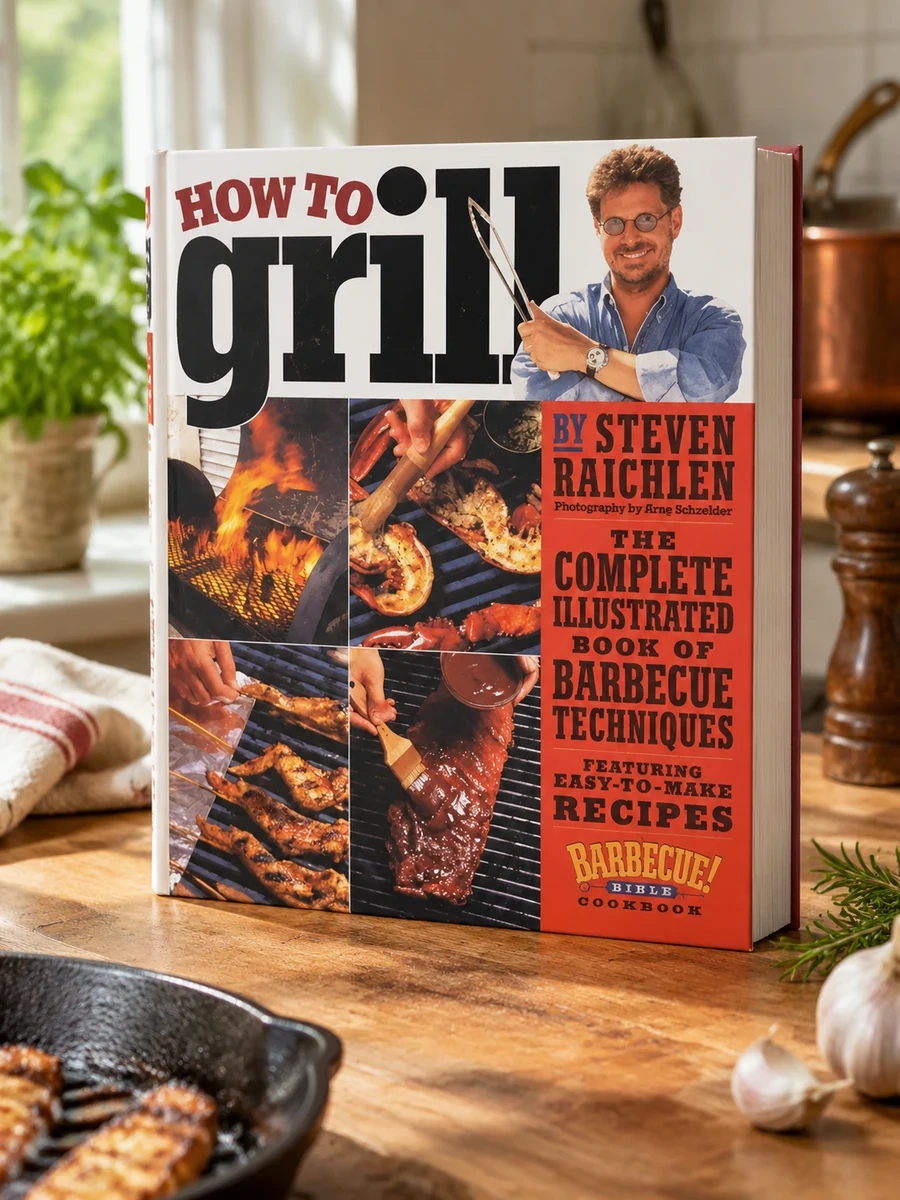
1. How to Grill — Steven Raichlen
Best for: beginners and backyard cooks who want one dependable reference. Start here if you want to understand grilling before committing to a more specialized style. The book is positioned as a visual, practical guide for cooks using standard equipment, making it the clearest foundation in this list for building confidence across different ingredients and skill levels.
Its place at number one is deliberate: you need a workable grasp of grilling methods before a book focused on smoking or advanced live-fire cooking can be fully useful. If you're buying only one Raichlen title and want a guide that can stay beside the grill through a variety of meals, this is the sensible first choice.
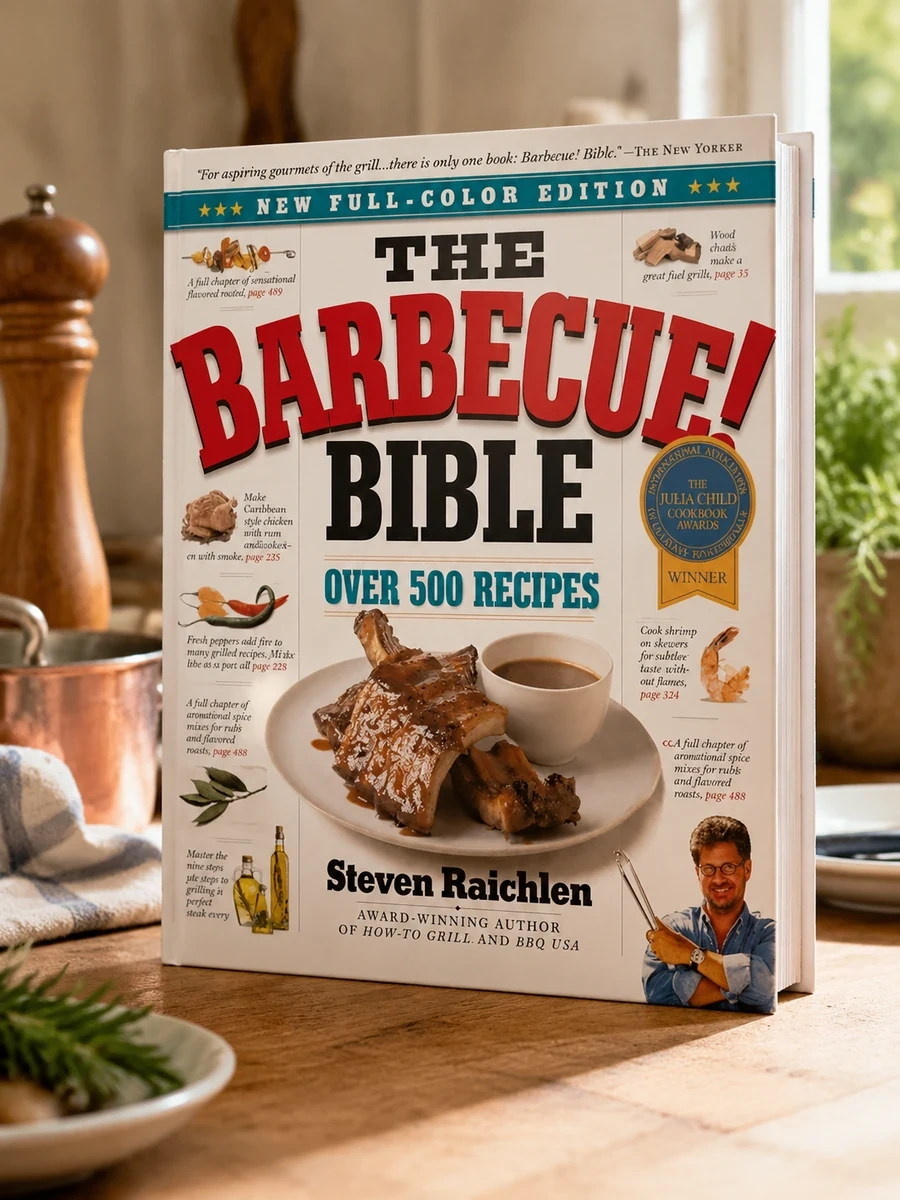
2. The Barbecue! Bible: More Than 500 Great Grilling Recipes from Around the World — Steven Raichlen
Best for: curious cooks who want variety and inspiration. Once basic grilling feels familiar, turn to this broad collection for a wider view of what the grill can do. Its emphasis on recipes from around the world makes it a useful companion to a technique-first book: instead of concentrating on one barbecue tradition, it opens up a broader repertoire of dishes and flavor combinations.
This is the better next step for someone who enjoys trying new things and doesn't want every cookout to revolve around the same burgers, chicken, and steaks. Think of it as a recipe library to explore over time rather than a manual you must read cover to cover before cooking.
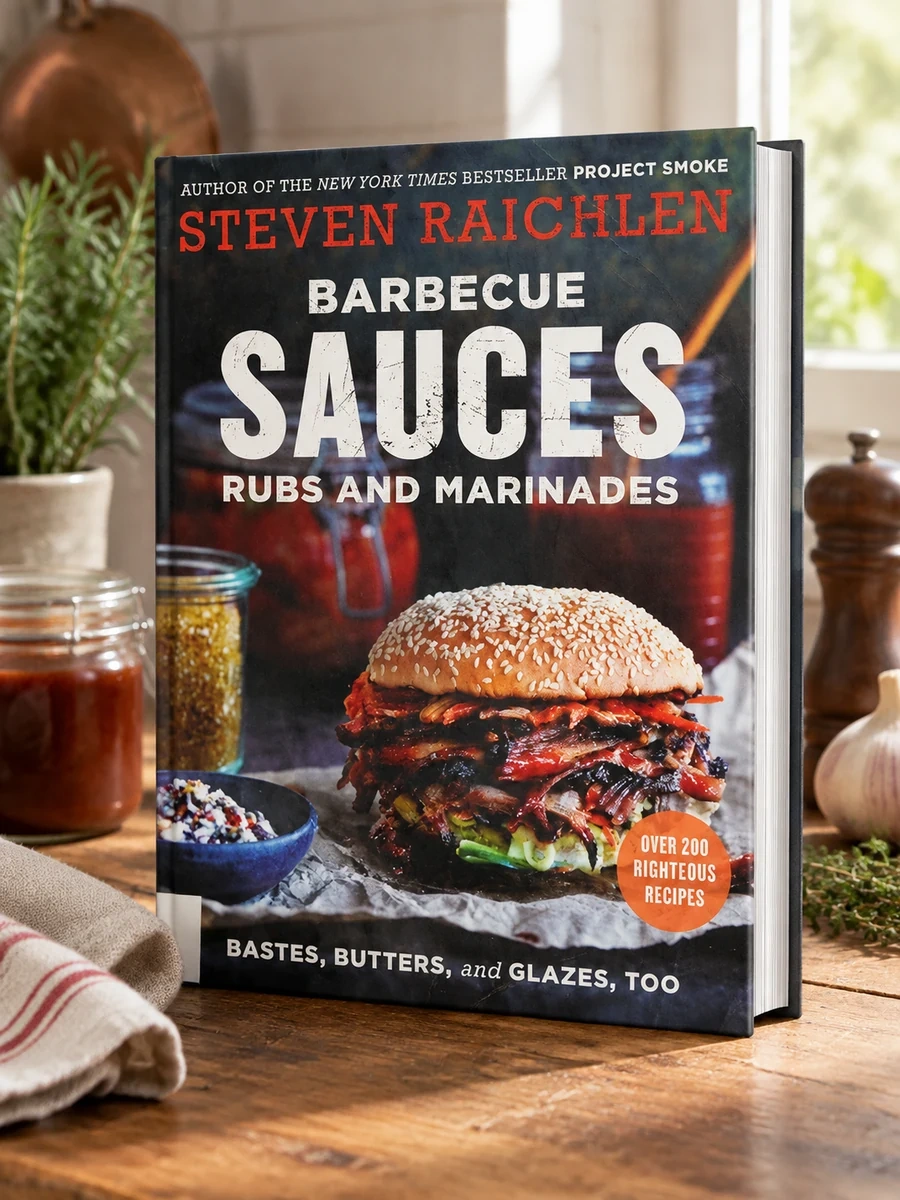
3. Barbecue Sauces, Rubs, and Marinades—Bastes, Butters & Glazes, Too (Revised) — Steven Raichlen
Best for: grillers who have mastered the basics but want more control over flavor. When your technique is reliable, seasoning becomes one of the most useful ways to make familiar ingredients taste different. This book concentrates on the supporting elements of barbecue: sauces, rubs, marinades, bastes, butters, and glazes.
That focus makes it an especially practical third book. You can develop a more deliberate approach to seasoning without immediately buying specialized equipment or tackling an all-day smoking project. It also suits cooks who like to adapt a favorite protein to different flavor profiles rather than follow a single recipe exactly.
Move into smoke and learn the demands of low-and-slow cooking
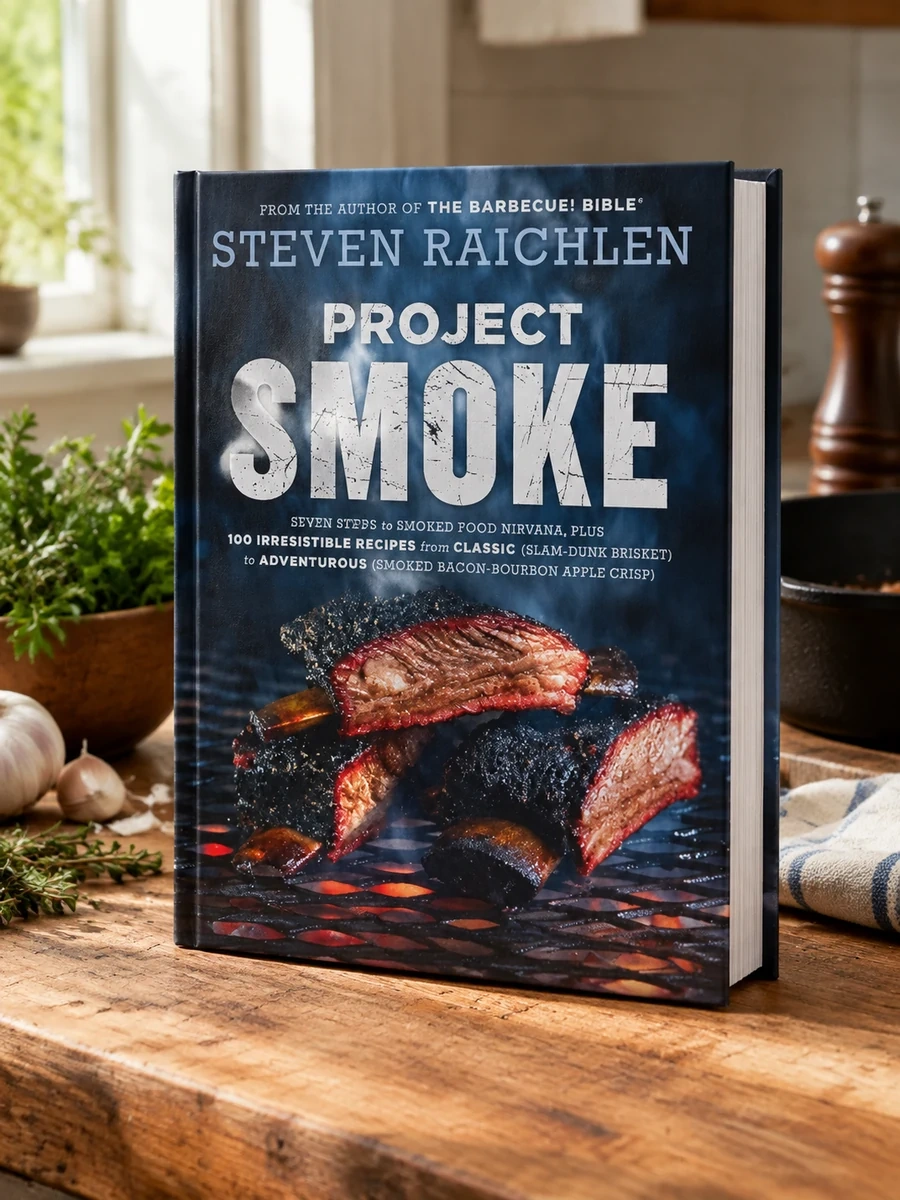
4. Project Smoke: Seven Steps to Smoked Food Nirvana, Plus 100 Irresistible Recipes from Classic (Slam-Dunk Brisket) to Adventurous (Smoked Bacon-Bourbon) — Steven Raichlen
Best for: cooks with a smoker, or grill owners ready to learn smoking. This is the natural next step when direct grilling no longer satisfies your curiosity. The title organizes its approach around seven steps to smoked food and pairs that framework with 100 recipes, spanning familiar barbecue territory and more adventurous smoked preparations.
Unlike a general grilling reference, a smoking-focused book asks you to pay closer attention to the relationship between smoke, heat, time, and the food itself. Read this when you can give a cook more time and attention than a quick weeknight grill session allows. If you already own a smoker, you can move it up to number one; if you don't, start with the fundamentals and decide what equipment suits your space and cooking habits first.
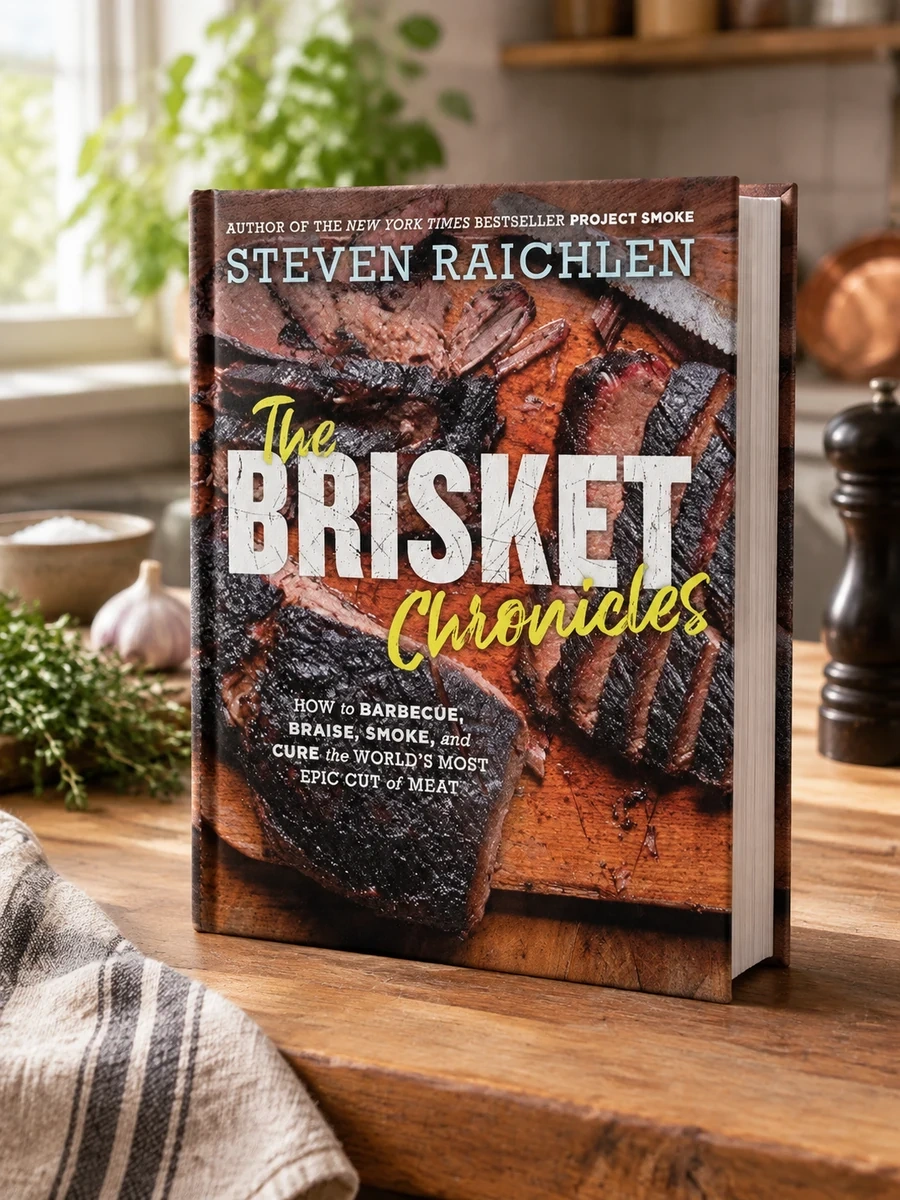
5. The Brisket Chronicles: How to Barbecue, Braise, Smoke, and Cure the World's Most Epic Cut of Meat — Steven Raichlen
Best for: committed pitmasters and cooks who enjoy long projects. Brisket rewards patience, and this book treats the cut as a subject worth studying rather than just another item on a barbecue menu. Its scope includes barbecuing, braising, smoking, and curing, giving the reader several ways to approach the same ingredient.
Put it after Project Smoke if you're still developing your feel for smoke and temperature. The focused subject makes more sense once you're comfortable planning a longer cook and working with the equipment you have. It is also an appealing choice for comfort-food enthusiasts who use a smoker, grill, or heavy oven roaster and want to devote serious time to one substantial cut.
Explore live-fire experimentation and broaden the menu
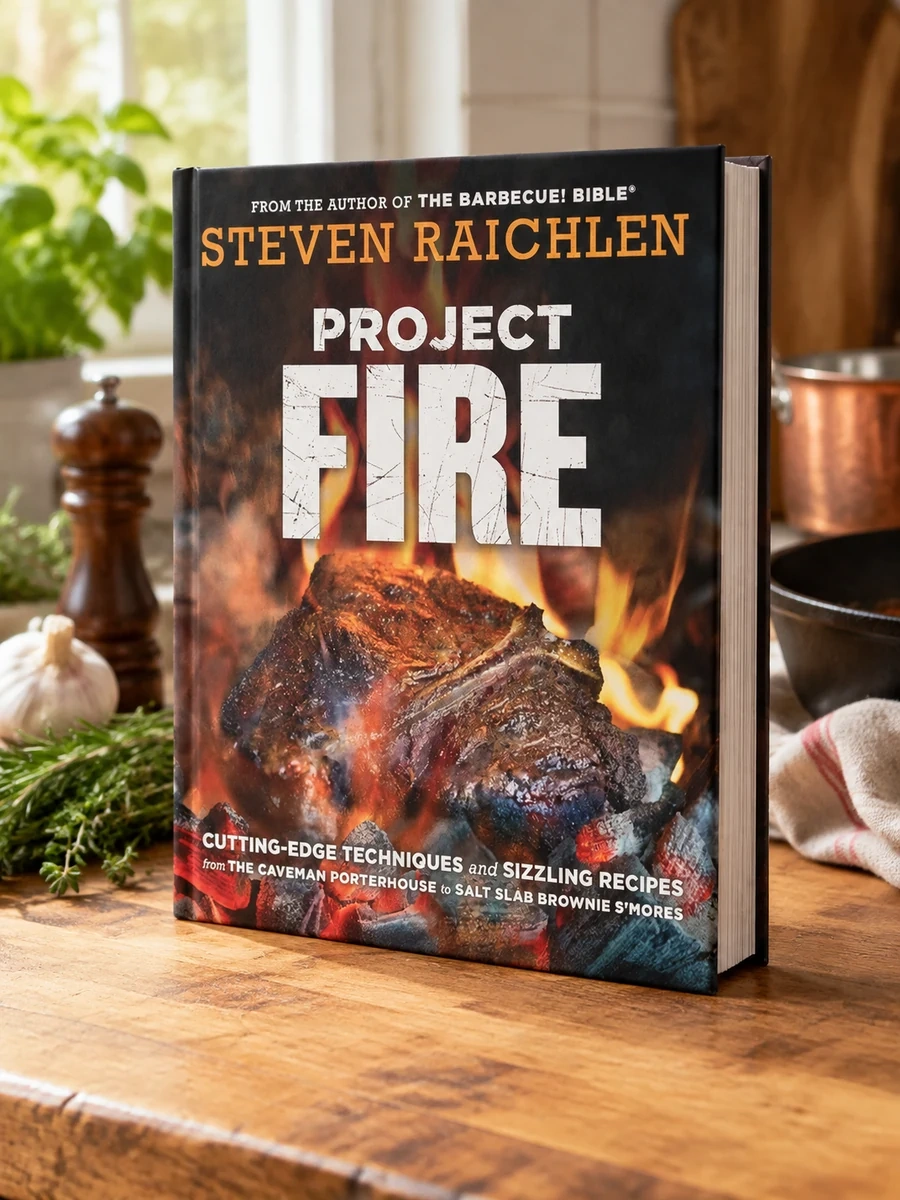
6. Project Fire: Cutting-Edge Techniques and Sizzling Recipes from the Caveman Porterhouse to Salt Slab Brownie s'Mores — Steven Raichlen
Best for: experienced grillers who want to go beyond familiar barbecue methods. After learning the fundamentals and exploring smoke, move into a more experimental approach to cooking with fire. The book's range, from the caveman-style porterhouse to salt-slab brownie s'mores, signals an interest in technique and unusual preparations rather than a narrow focus on traditional barbecue staples.
This is the right progression for a cook who sees the fire itself as an ingredient in the process. It makes less sense as your first barbecue purchase because experimentation is more rewarding when you already understand how to manage heat and judge when food is ready. Choose it when your goal is to expand what you can accomplish outdoors, not simply to perfect one familiar cookout menu.
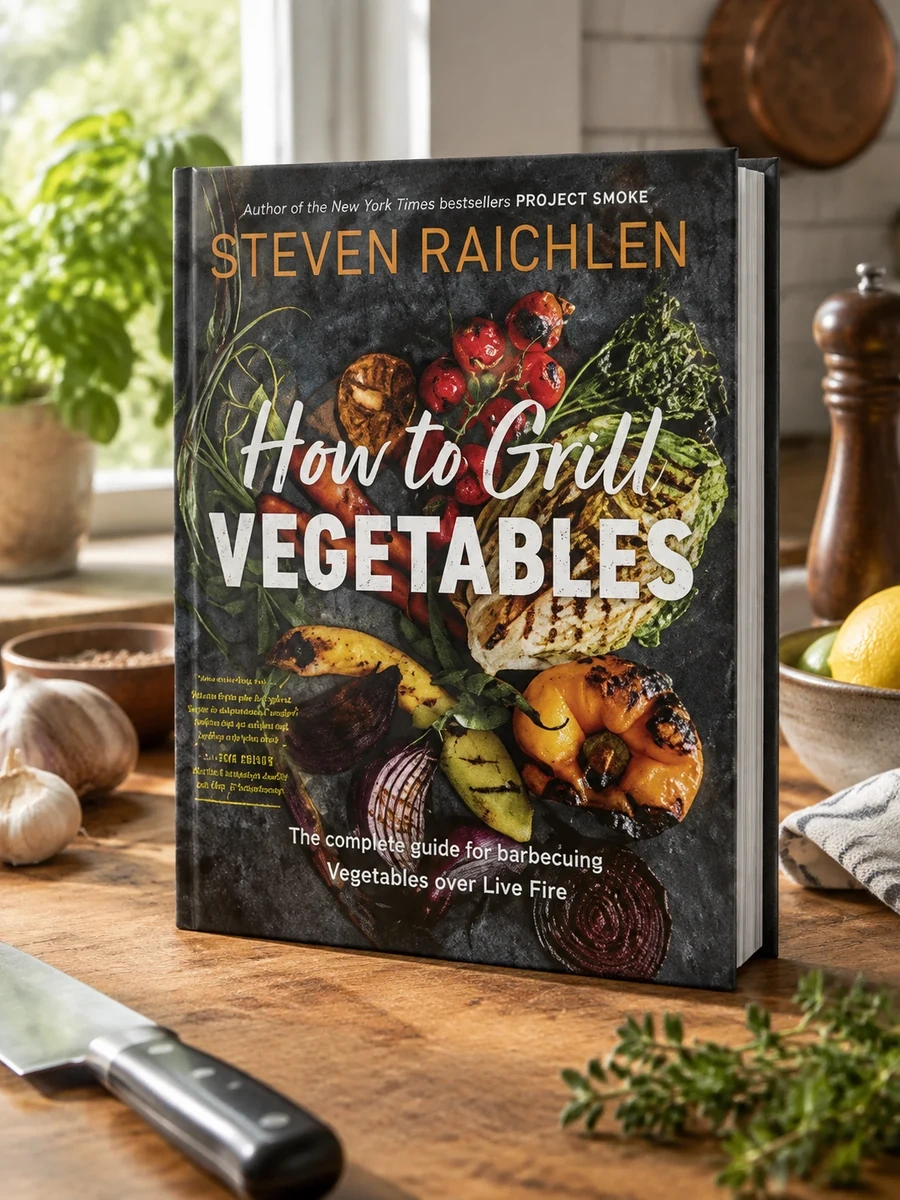
7. How to Grill Vegetables: The New Bible for Barbecuing Vegetables Over Live Fire — Steven Raichlen
Best for: cooks who want vegetables to become a serious part of the barbecue menu. Meat-focused grilling can dominate the learning process, but vegetables deserve their own attention. This book concentrates specifically on barbecuing vegetables over live fire, making it a useful addition for anyone who wants more variety in the dishes served alongside smoked or grilled meats.
It belongs later in this general path because the narrower subject is most valuable once you know how your grill behaves and can plan a balanced menu around its heat. Vegetarian cooks and vegetable enthusiasts don't need to wait, however: if produce is your main reason for cooking outdoors, move this book directly behind How to Grill.
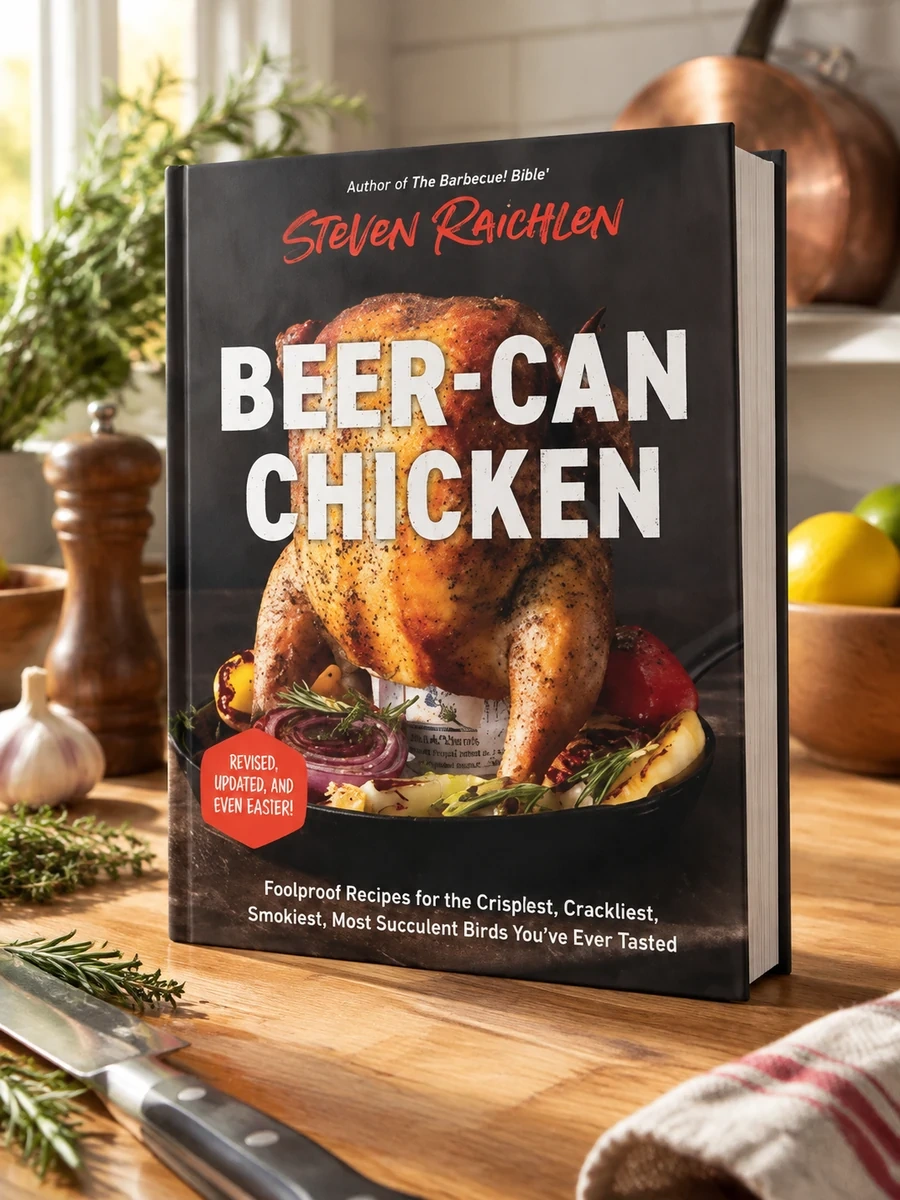
8. Beer-Can Chicken: Foolproof Recipes for the Crispiest, Crackliest, Smokiest, Most Succulent Birds You've Ever Tasted (Revised) — Steven Raichlen
Best for: cooks who want to focus on one popular backyard project. Beer-can chicken is a recognizable outdoor-cooking technique with a clear, appealing goal: a flavorful bird with crisp skin and succulent meat. This dedicated collection offers a focused alternative to a broad reference when poultry is what you most want to improve.
It appears last in the general reading order not because it requires the greatest skill, but because its subject is narrower than the books that establish transferable techniques. You can easily move it much earlier if chicken is your favorite thing to grill or you want a dedicated project for your next cookout. Its specialized scope is precisely the reason to choose it intentionally rather than automatically making it your first Raichlen purchase.
How to choose the right Steven Raichlen book for you
The best reading order is a starting framework, not a test you must pass. Buy according to the cooking problem you want to solve, the equipment you already own, and the amount of time you want to spend outdoors.
- If you're a beginner: Start with How to Grill. It offers the broadest foundation for learning with standard equipment and helps you build transferable skills before specializing.
- If you already own a smoker: Choose Project Smoke first. Its structured approach and range of smoked recipes make it the most directly relevant starting point for developing your smoking practice.
- If you want more adventurous outdoor cooking: Pick Project Fire. It is aimed at expanding your repertoire beyond familiar grilling and smoking routines.
- If flavor is your biggest weakness: Choose Barbecue Sauces, Rubs, and Marinades. Seasoning-focused study can make your existing grilling repertoire more versatile without requiring a new cooker.
- If brisket is your goal: Go straight to The Brisket Chronicles. A focused book makes sense when you have a particular cut and a longer cooking project in mind.
- If you mostly cook vegetables: Move How to Grill Vegetables near the top. Your first cookbook should reflect what you actually want to eat and cook.
- If you want a broad recipe collection: Choose The Barbecue! Bible for international variety, or Beer-Can Chicken if you prefer a single, well-defined cooking project.
For most readers, two books are enough to make a meaningful start: How to Grill for the fundamentals and either Project Smoke or Project Fire for the next stage. Add the other titles when a specific interest emerges. That approach gives you a useful working library rather than a shelf of books competing for attention.