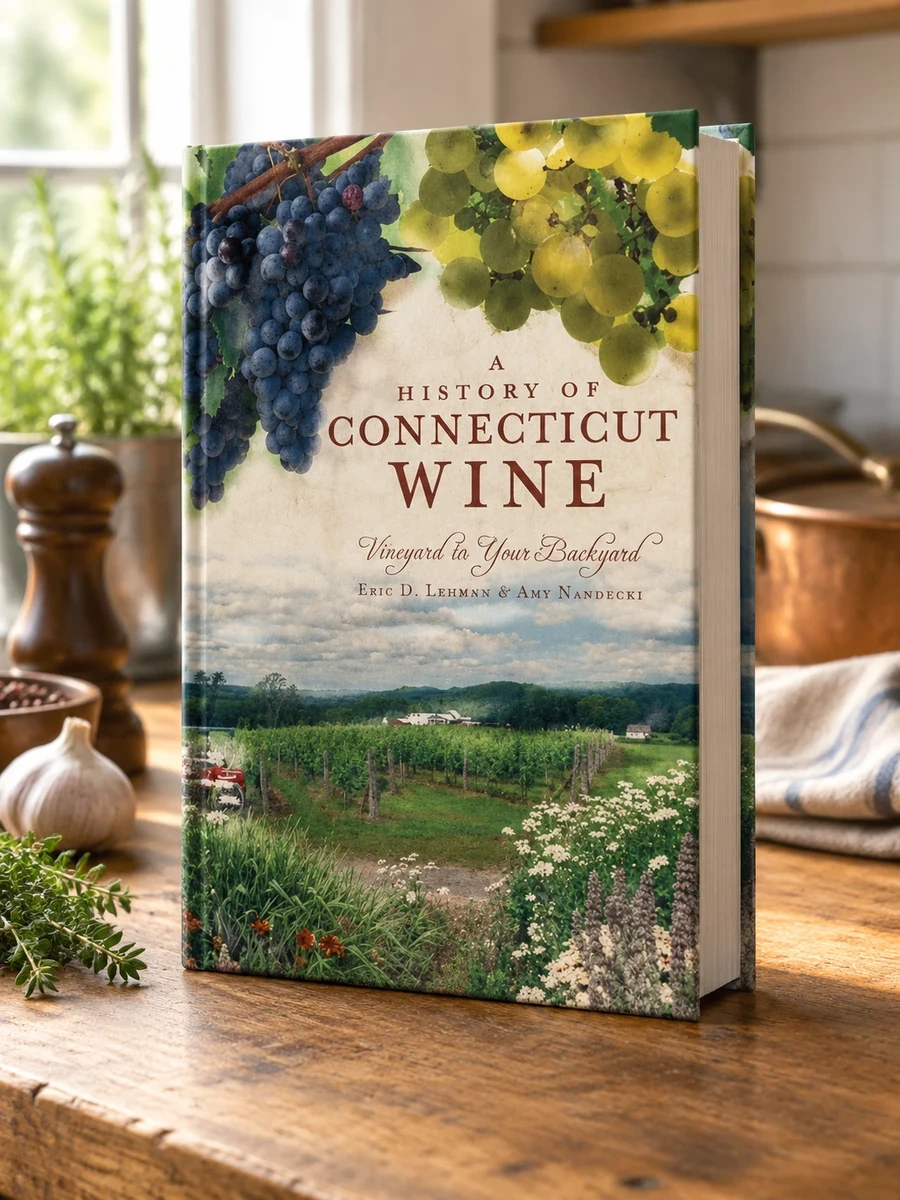
A History of Connecticut Wine: Vineyard in Your Backyard
✍️ Lehman, Eric DA local history of Connecticut wine production and its key grape varieties.
Lehman and Nawrocki document the evolution of viticulture in Connecticut, starting with colonists who identified wild grapes. They explain how modern growers overcome climatic challenges to produce high-quality wines using specific hardy varietals. The narrative connects historical discovery with contemporary winemaking practices, emphasizing the unique flavor profiles derived from local blends.
This book situates Connecticut’s wine industry within the broader context of New England’s agricultural history. It highlights how a region often considered unsuitable for viticulture has developed a distinct local culture around cultivating specific grapes like st. croix and cabernet franc since colonial times.


📝 Description: A History of Connecticut Wine: Vineyard in Your Backyard
💎 Expert review
📖 Why choose it
Why this book is worth reading
Readers with a deep interest in Connecticut’s agricultural heritage or those seeking to understand the viability of New England viticulture will find this volume particularly rewarding. It appeals to locals wanting to verify nearby vineyard options and history buffs tracking the evolution from colonial wild grape identification to contemporary winemaking. By detailing specific hardy varietals like St. Croix and Cayuga White, it offers practical insight for enthusiasts curious about regional blends. The narrative effectively bridges historical discovery with current practices, making it an essential resource for anyone exploring the unique flavor profiles and challenges of producing wine in a challenging climate.
⭐ Reader reviews
Reader rating
This title serves as a specialized guide for those invested in Connecticut’s specific agricultural identity rather than general wine appreciation. It successfully documents the industry's resilience against climatic challenges through historical context and varietal specifics. However, it explicitly does not suit readers seeking global wine comparisons or technical manual-style instruction. The focus remains strictly on state production, meaning international enthusiasts may find the scope too narrow. It stands firmly as a niche reference for regional history rather than a broad culinary exploration.
❓ Frequently asked questions
📖 Who should read this
Connecticut residents curious about local viticulture and home winemakers seeking hardy grape varieties for New England climates. History buffs interested in state-specific agricultural evolution and readers who appreciate detailed regional food narratives over general culinary guides.