12,300+ cookbooks Ships from the US · 30-day returns
👤 My Account
🔪 Methods & Techniques

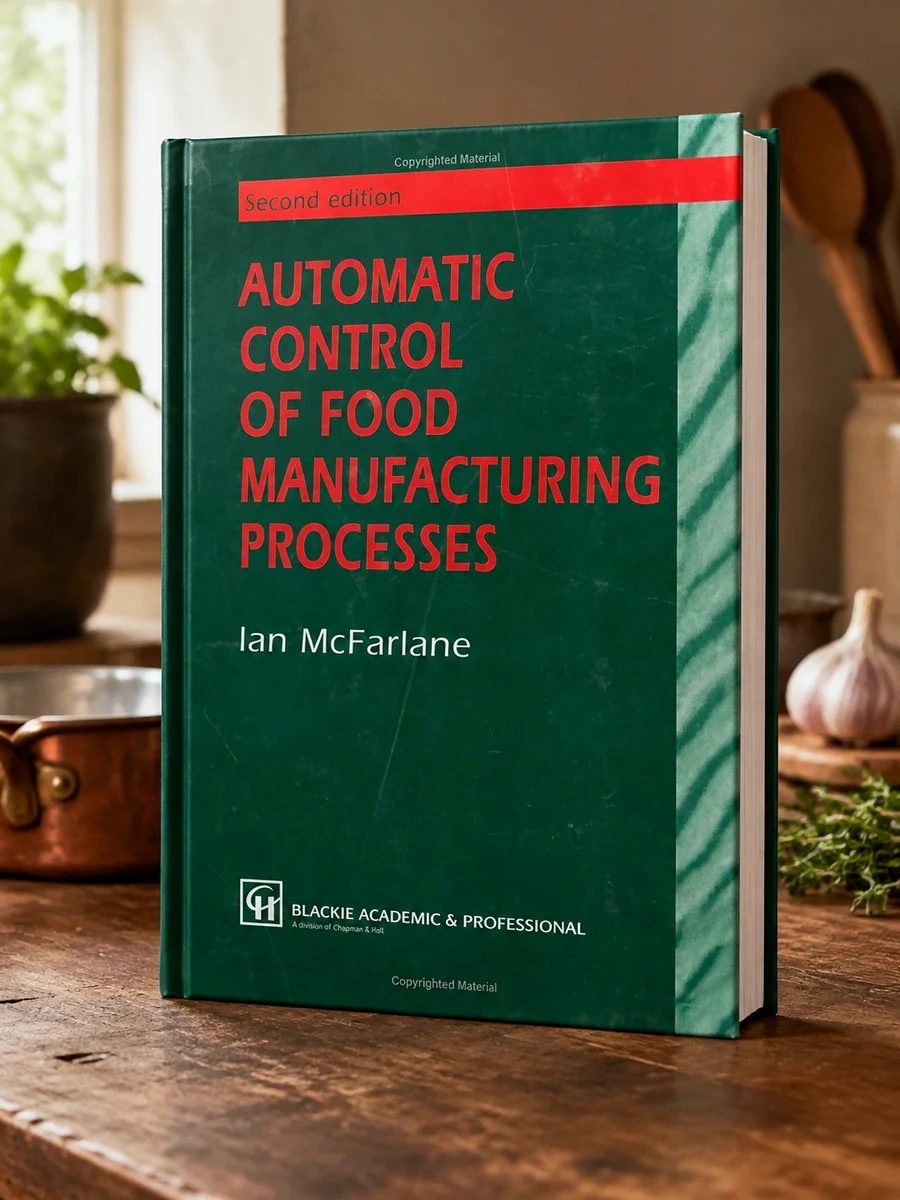
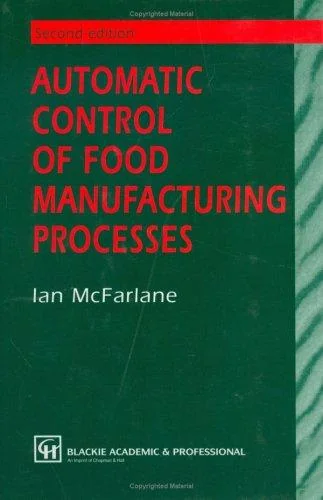
Automatic Control of Food Manufacturing Processes (1995)

✍️ McFarlane, I
Reader Score
4.4
(1 review)
$109.99
In stock — ready to ship Ships in 1–2 business days
📚 WHAT THE BOOK IS ABOUT

A 1995 technical guide to automating food manufacturing processes.

This volume focuses on the engineering side of food production rather than the culinary experience. It covers the integration of biotechnology and membrane applications into industrial settings. The author explains how sensor technology and computer applications have changed plant operations. Quality assurance and safety protocols are presented as key factors in modern investment decisions. The content is organized to show the impact of recent technological developments on automated systems. Readers will find descriptions of good practice supported by new illustrations and retained examples. This approach provides a comprehensive view of industrial standards for professionals in food science and automation.

Key Themes
food process engineering biotechnology applications process control sensors
Literary Context

This book sits at the intersection of technology, engineering, and food science. It reflects the state of the industry in 1995, a period marked by rapid growth in information technology and on-line computer applications within automated plants.


Difficulty
●●● Challenging
Recommended For Fans Of
Food Process Engineering texts · Industrial Automation manuals · Biotechnology applications in industry · Quality Assurance protocols
🔪
Methods & Techniques
🏛 Springer 📅 1995 📔 Hardcover ISBN: 9780751402070
📚 This Book in Collections

📝 Description: Automatic Control of Food Manufacturing Processes (1995)

I McFarlane presents a technical examination of food manufacturing automation in this 1995 Springer publication. The text addresses significant shifts in food process engineering that occurred over the decade preceding its release. It specifically highlights advancements in biotechnology and membrane applications, which have reshaped industrial standards. The author details the evolution of sensors used for process control alongside the expanding role of information technology and online computer systems in automated plants. Quality assurance and health safety considerations now heavily influence plant investment decisions, a reality this volume acknowledges through its updated content structure. The book retains original examples where they remain relevant while incorporating many new illustrations to guide readers toward good practice. It reflects how new technology influences the control and operations of automated facilities. This work suits engineers and food scientists interested in the intersection of automation and food science. It does not suit home cooks seeking recipes or casual readers looking for narrative food writing. The text remains a dry, technical resource focused on industrial methodology rather than culinary artistry.

💎 Expert review

“
🍳
Eatbook Family editorial team
Cookbook desk
This is a dry, technical manual rather than a culinary guide, making it entirely unsuitable for home cooks or readers seeking narrative food writing. The content is dense with engineering concepts, focusing on process control and industrial standards rather than recipes or tasting notes. While it offers a thorough examination of automation’s impact on food manufacturing, its academic tone and specialized subject matter limit its appeal to a narrow professional audience. Casual readers will find the material inaccessible and unengaging. It is strictly for those in food science or automation fields who require detailed operational knowledge.
✓ EDITOR'S REVIEW

📖 Why choose it

📖

Why this book is worth reading

This book serves as a specialized resource for engineers and food scientists seeking to understand the technical infrastructure behind mass food production. It is valuable for professionals interested in how sensor technology, membrane applications, and computer systems have evolved to meet modern quality assurance and safety standards. The text provides a comprehensive view of industrial methodologies, offering good practice guidelines through detailed illustrations and retained examples. It is essential for those analyzing the historical shift toward automated plant operations and the role of information technology in maintaining consistency and safety within the food industry.

⭐ Reader reviews

The starting rating comes from the team Eatbook Family —
⭐ eatbookfamily.com editorial review Editorial rating 4.5/5
★★★★★
Industrial food engineers and automation specialists seeking technical guidance on integrating biotechnology and membrane applications into manufacturing plants. This text is ideal for professionals managing quality assurance protocols who need to understand how sensor technology impacts modern…

Reader rating

4.4
Based on 1 reviews
5
0
4
1
3
0
2
0
1
0
E
Eatbook Family editorial team

This is a dry, technical manual rather than a culinary guide, making it entirely unsuitable for home cooks or readers seeking narrative food writing. The content is dense with engineering concepts, focusing on process control and industrial standards rather than recipes or tasting notes. While it offers a thorough examination of automation’s impact on food manufacturing, its academic tone and specialized subject matter limit its appeal to a narrow professional audience. Casual readers will find the material inaccessible and unengaging. It is strictly for those in food science or automation fields who require detailed operational knowledge.

❓ Frequently asked questions

No, the volume focuses on the engineering side of food production and industrial plant operations rather than culinary experiences or home cooking methods.
272 pages, hardcover.
Published in 1995 by Springer.
Orders ship from a US warehouse. The shipping cost is shown before you pay, and returns are accepted within 30 days.

📖 Who should read this

Industrial food engineers and automation specialists seeking technical guidance on integrating biotechnology and membrane applications into manufacturing plants. This text is ideal for professionals managing quality assurance protocols who need to understand how sensor technology impacts modern plant operations and investment decisions in the food science sector.

📜 Historical context

Published in 1995, this volume distinguishes itself by focusing strictly on the engineering side of food production rather than culinary experiences. It serves as a technical resource for industrial settings, detailing how computer applications and sensor technology have reshaped operational standards during that specific era of technological development in food science.

🏛 Books from this publisher Springer

All books from this publisher →
Confectionery Science and Technology (2018) 🔥 Bestseller
★★★★★
★★★★★
4.6
Hartel, Richard W
Confectionery Science and Technology (2018)
$159.99
86
Lactic Acid Bacteria in Foodborne Hazards Reduction: Physiology to Practice (2018)
★★★★★
★★★★★
4.7
Chen, Wei
Lactic Acid Bacteria in Foodborne Hazards Reduction: Physiology to Practice (2018)
$169.99
87
Butchering, Processing and Preservation of Meat (1955)
★★★★★
★★★★★
4.6
Ashbrook, Frank G
Butchering, Processing and Preservation of Meat (1955)
$139.99
84
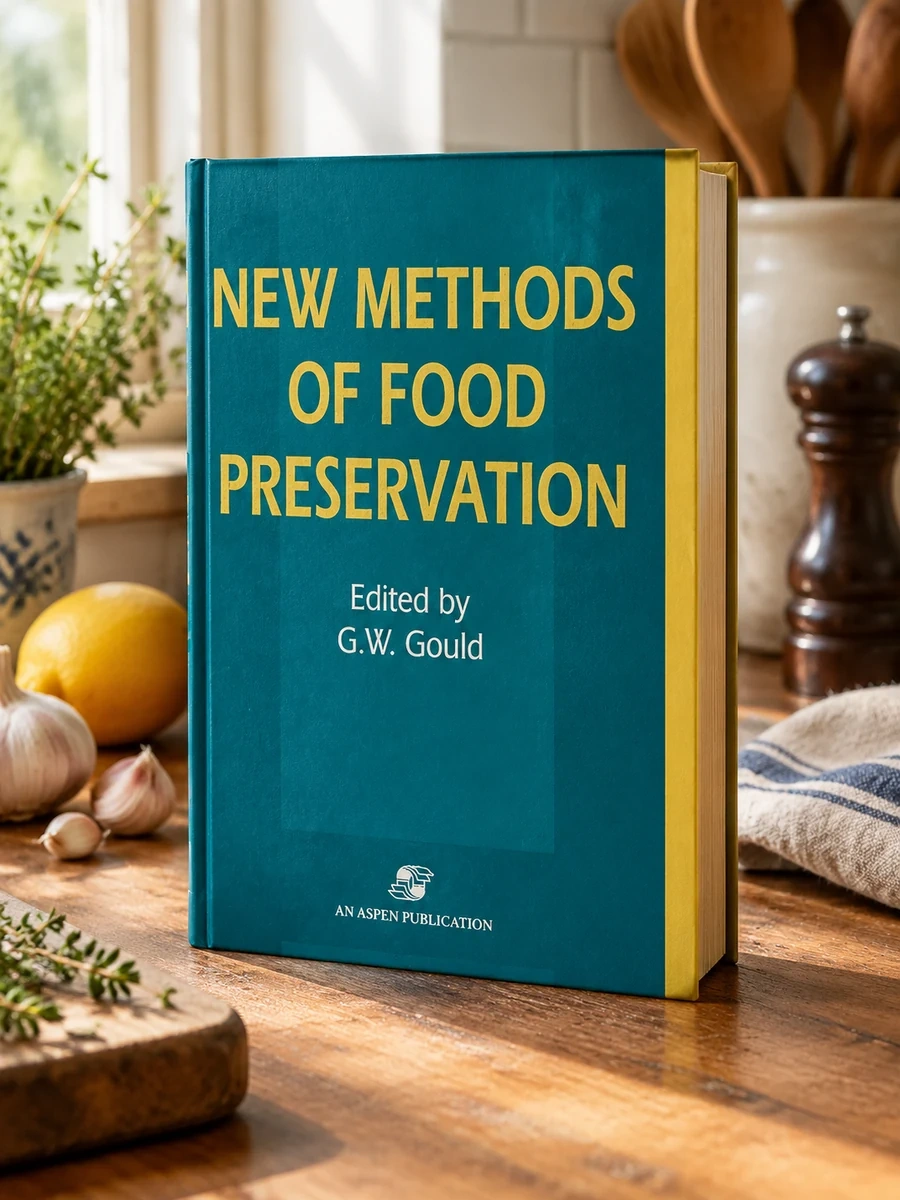
New Methods of Food Preservation
★★★★★
★★★★★
4.6
Gould, Grahame W
New Methods of Food Preservation
$169.99
86
Postharvest Management Approaches for Maintaining Quality of Fresh Produce (Softcover Reprint of the Original 1st 2016)
★★★★★
★★★★★
4.7
Siddiqui, Mohammed Wasim
Postharvest Management Approaches for Maintaining Quality of Fresh Produce (Softcover Reprint of the Original 1st 2016)
$109.99
88
Mycotoxins in Plants and Plant Products: Cereals and Cereal Products (Softcover Reprint of the Original 1st 2017)
★★★★★
★★★★★
4.5
Weidenborner, Martin
Mycotoxins in Plants and Plant Products: Cereals and Cereal Products (Softcover Reprint of the Original 1st 2017)
$279.99
81

You might also like

See more →
New Perspectives on Food Blanching (2017)
★★★★★
★★★★★
4.8
Richter Reis, Felipe
New Perspectives on Food Blanching (2017)
$54.99
91
New Methods of Food Preservation ( and)
★★★★★
★★★★★
4.7
Gould, Grahame W
New Methods of Food Preservation ( and)
$169.99
90
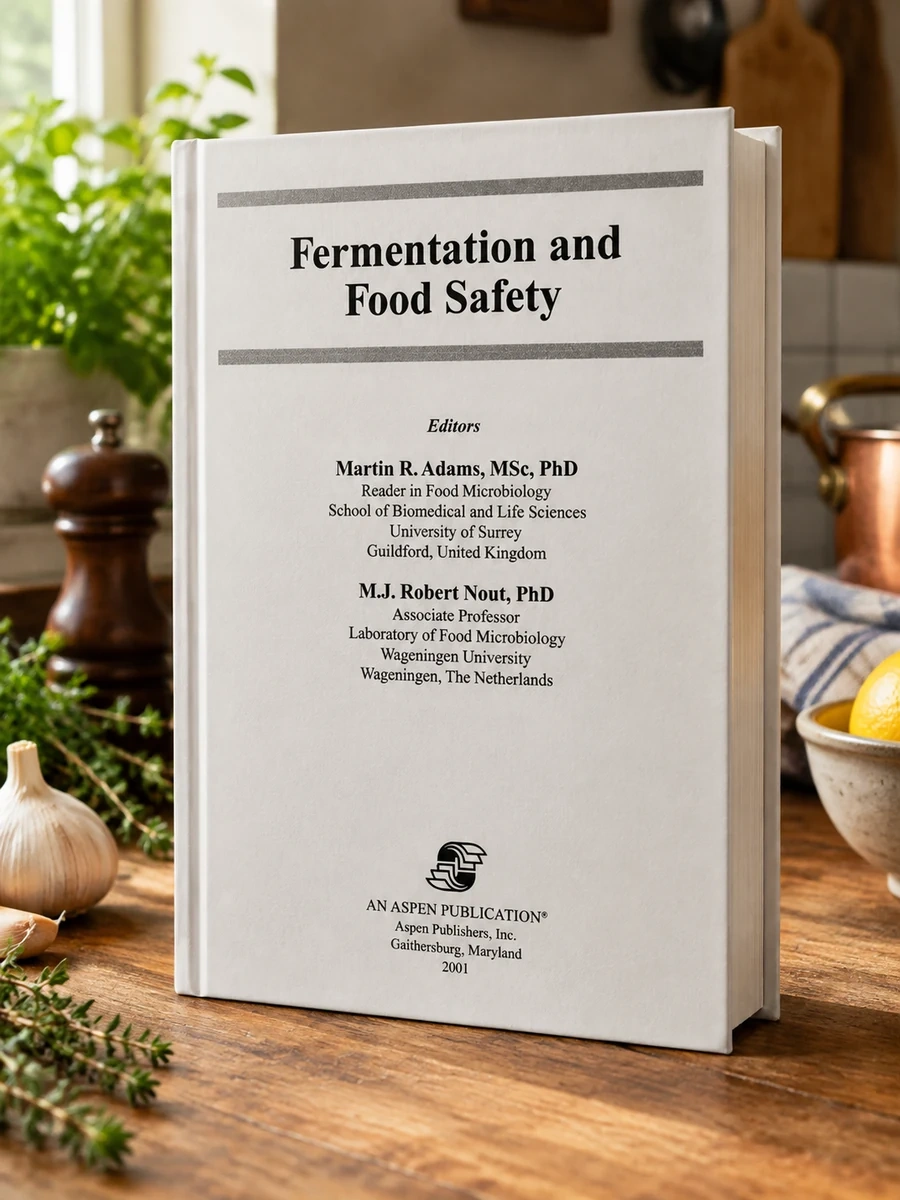
Fermentation and Food Safety
★★★★★
★★★★★
4.7
Adams, Martin
Fermentation and Food Safety
$169.99
90
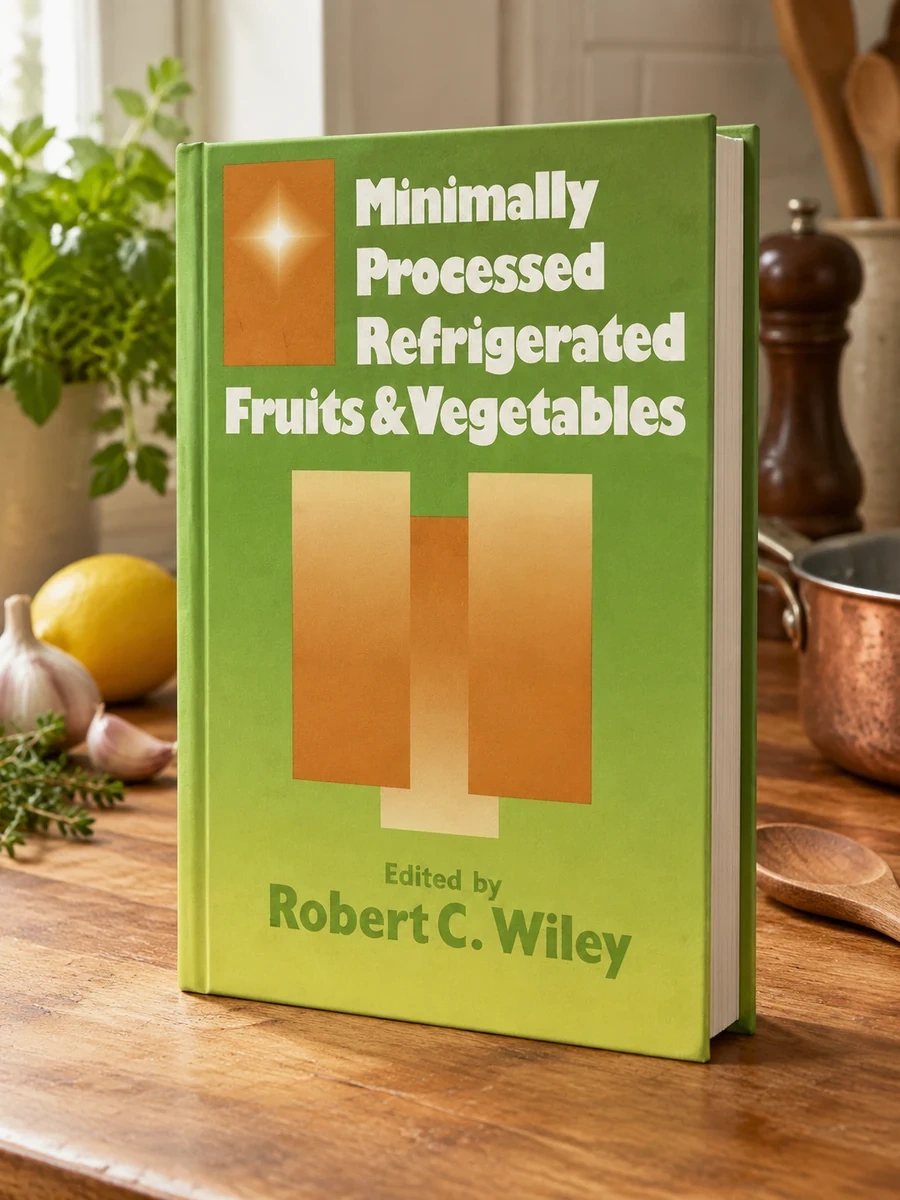
Minimally Processed Refrigerated Fruits & Vegetables
★★★★★
★★★★★
4.7
Wiley, R C
Minimally Processed Refrigerated Fruits & Vegetables
$109.99
89
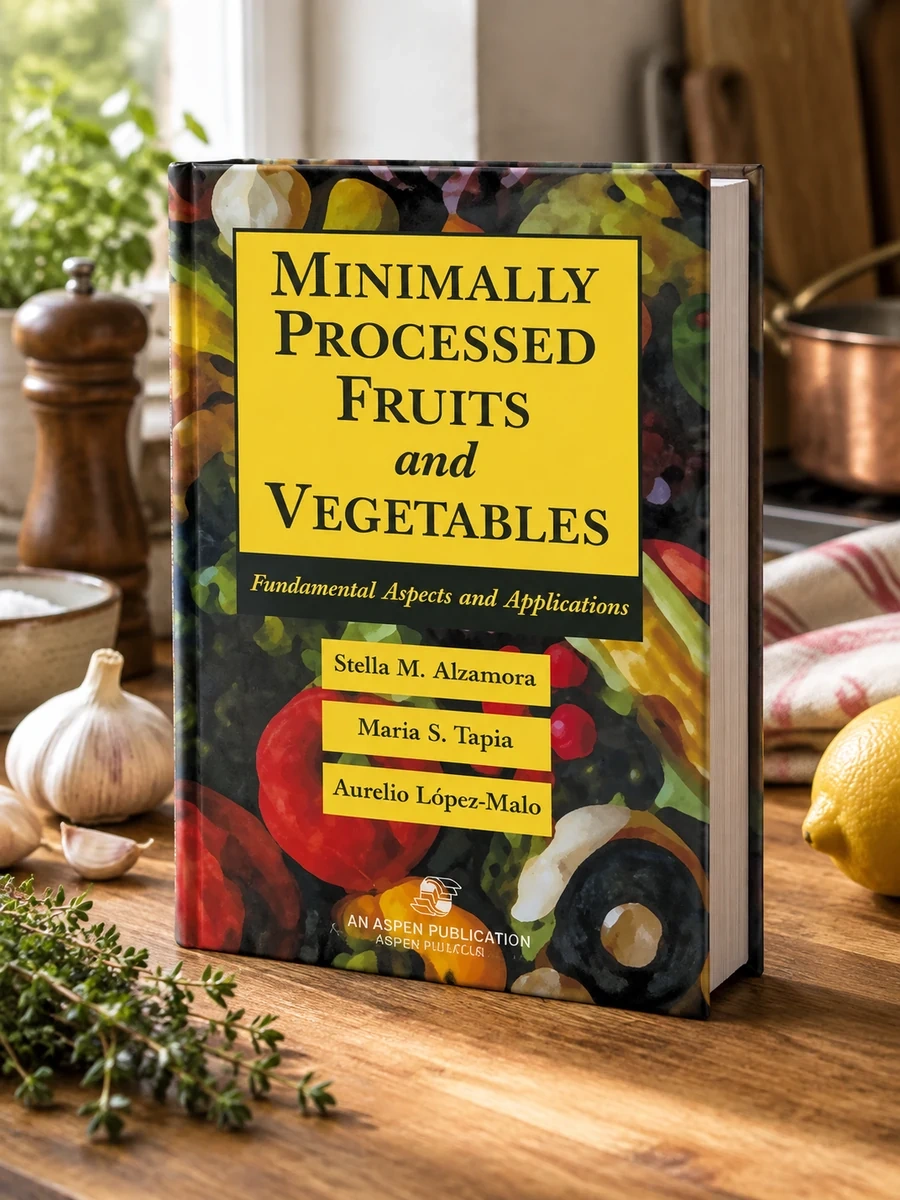
Minimally Processed Fruits and Vegetables
★★★★★
★★★★★
4.6
1
Tapia, Maria Soledad
Minimally Processed Fruits and Vegetables
$169.99
86
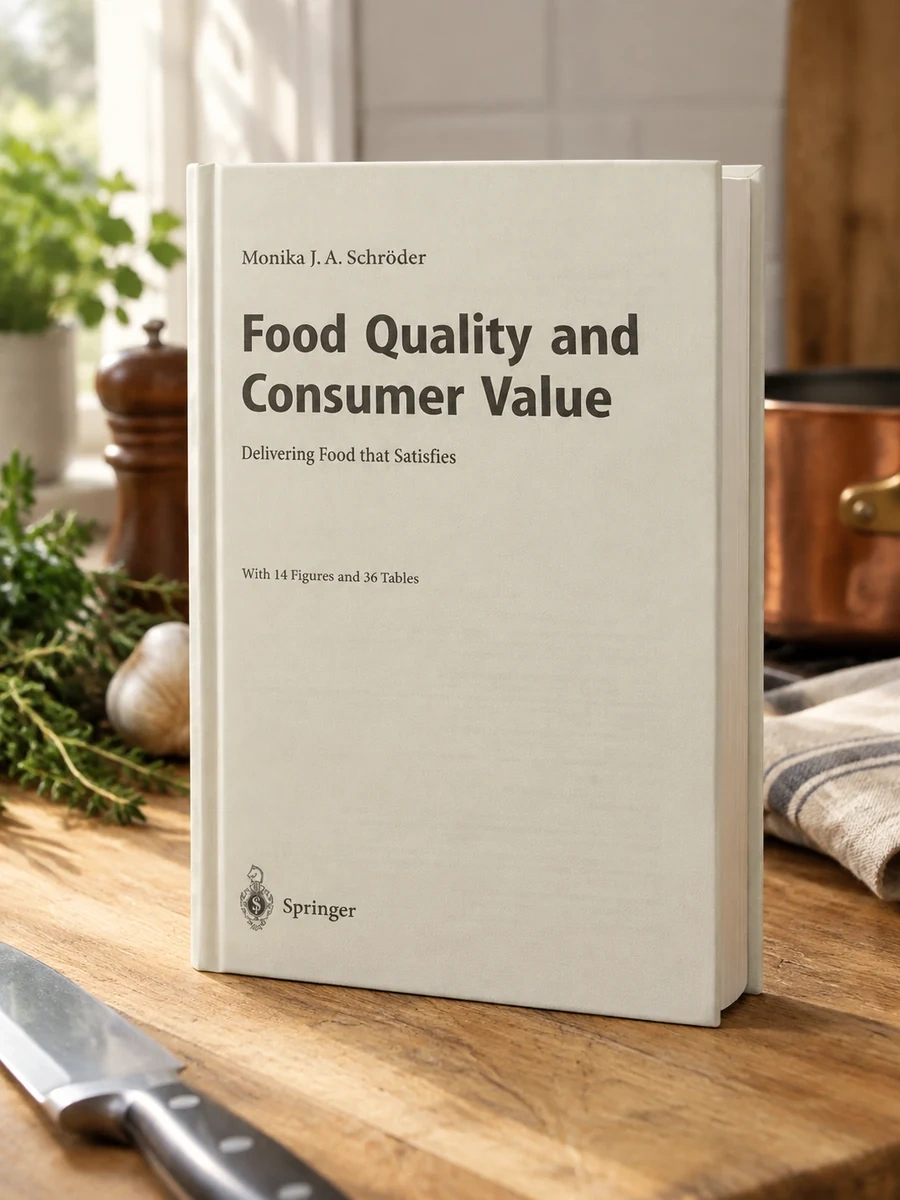
Food Quality and Consumer Value: Delivering Food That Satisfies (2003)
★★★★★
★★★★★
4.6
Schroder, Monika J a
Food Quality and Consumer Value: Delivering Food That Satisfies (2003)
$169.99
85
Dehydration of Foods (1996)
★★★★★
★★★★★
4.6
Vega-Mercado, Humberto
Dehydration of Foods (1996)
$169.99
84
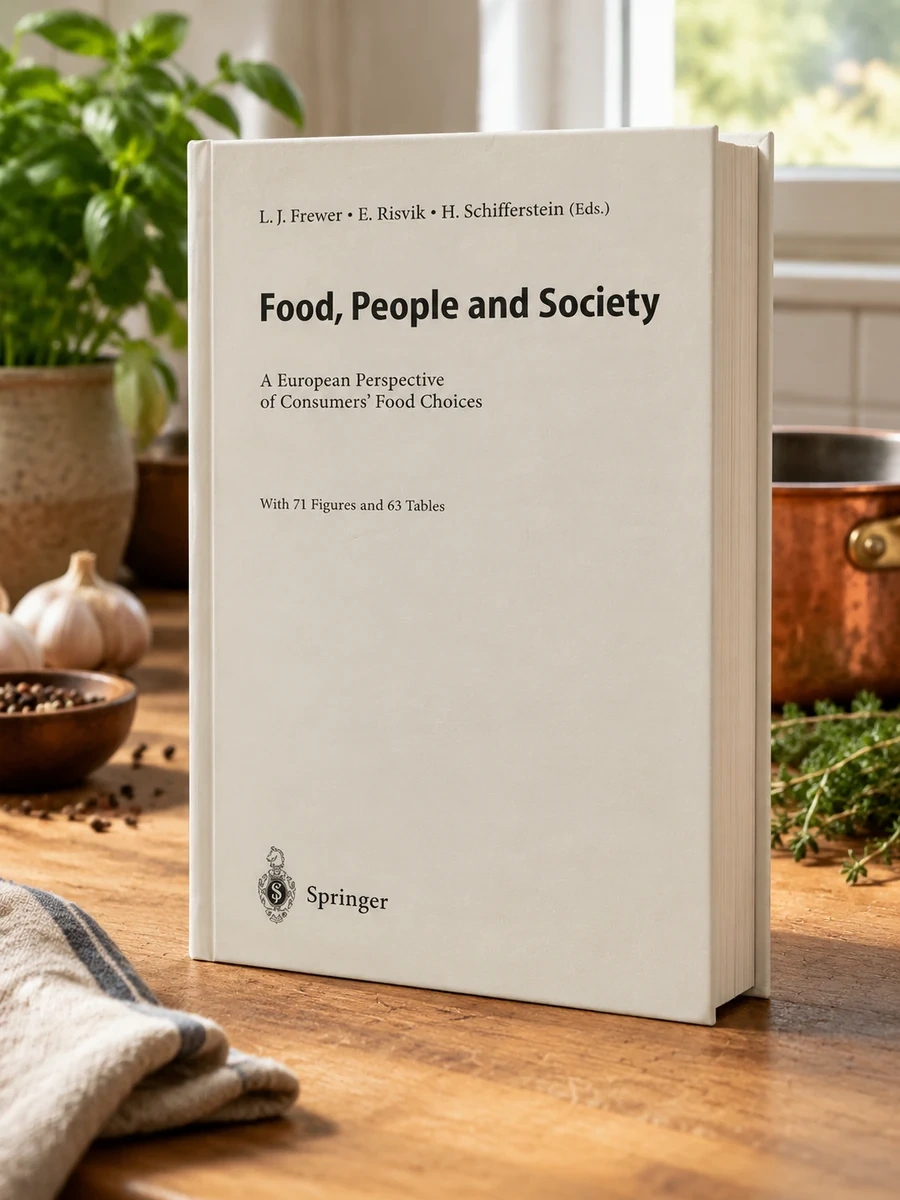
Food, People and Society: A European Perspective of Consumers' Food Choices (2001)
★★★★★
★★★★★
4.6
Frewer, Lynn J
Food, People and Society: A European Perspective of Consumers' Food Choices (2001)
$219.99
84
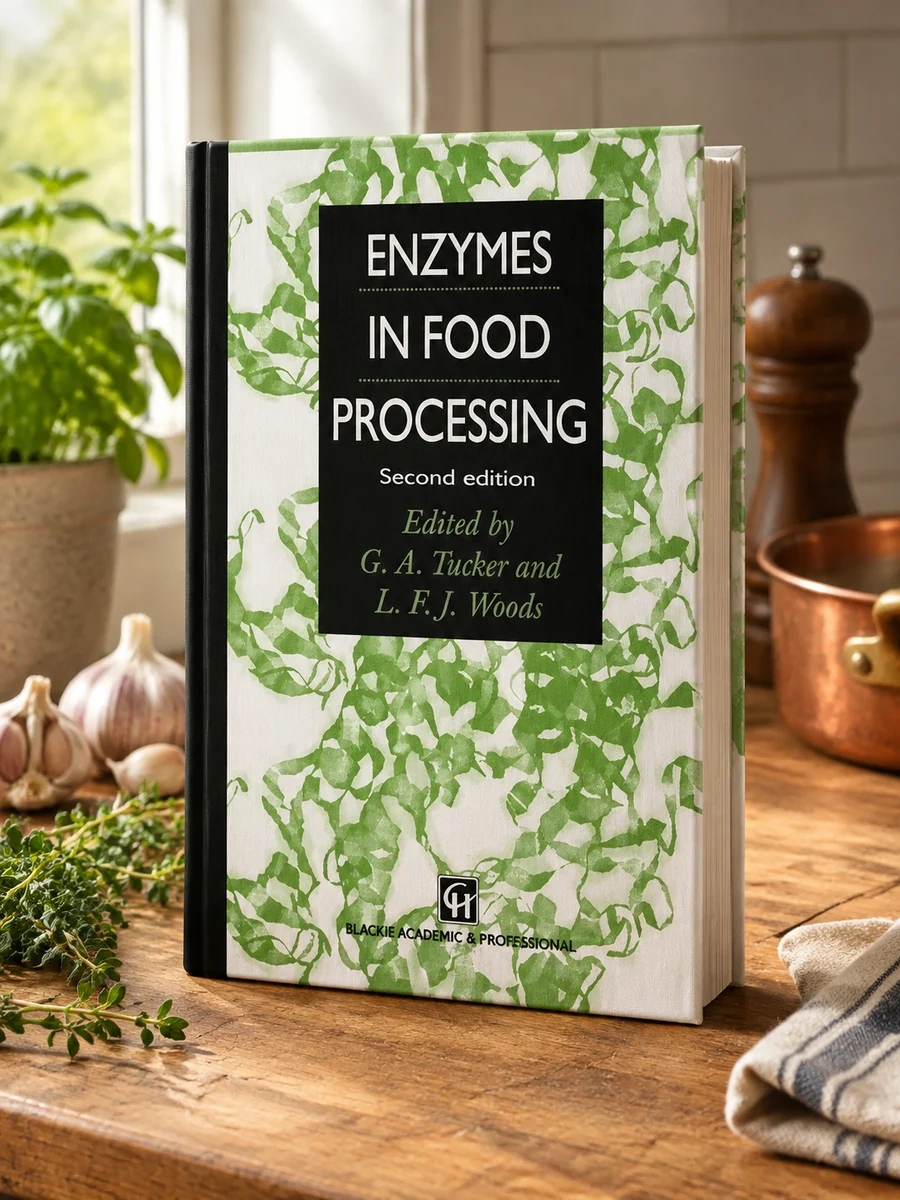
Enzymes in Food Processing (1995)
★★★★★
★★★★★
4.6
Tucker, Gregory A
Enzymes in Food Processing (1995)
$169.99
83
Home Genres
Cart
Wishlist