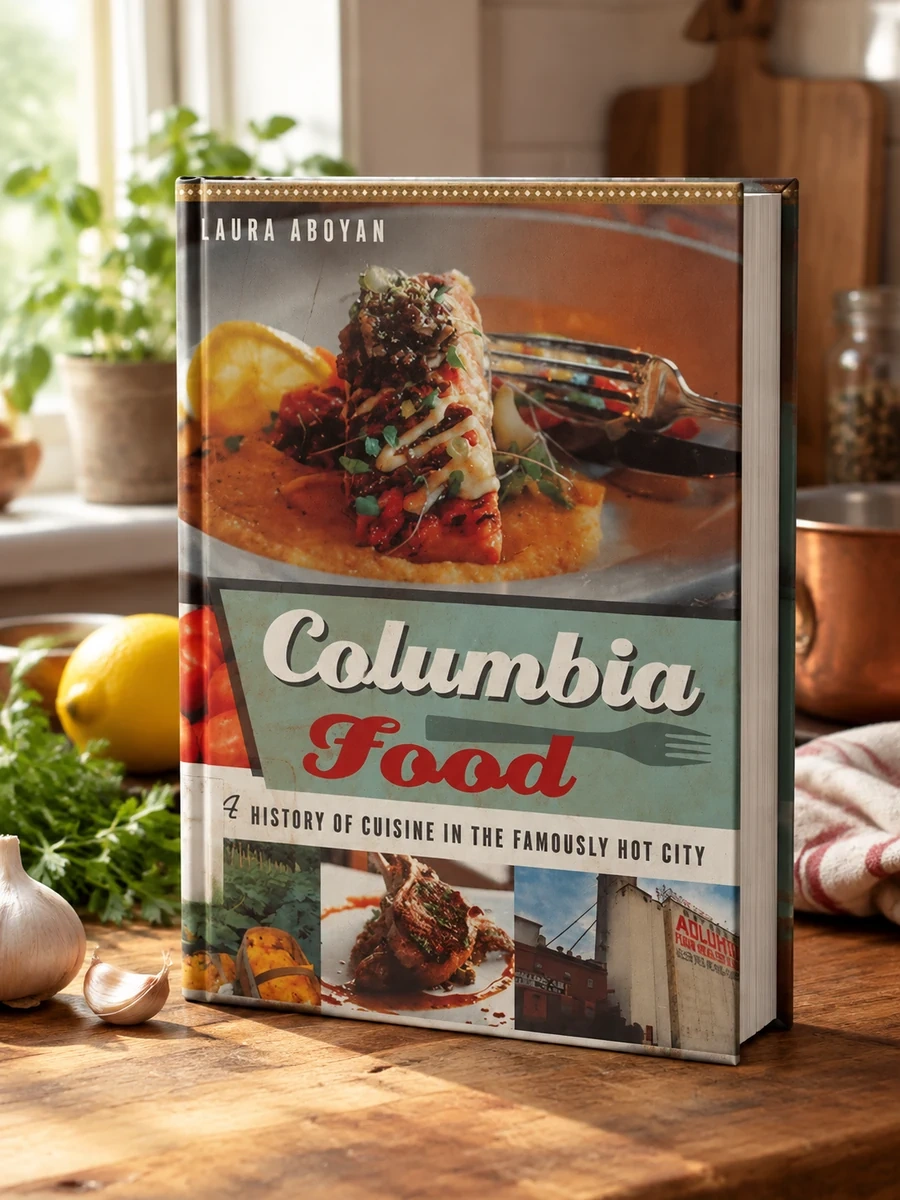
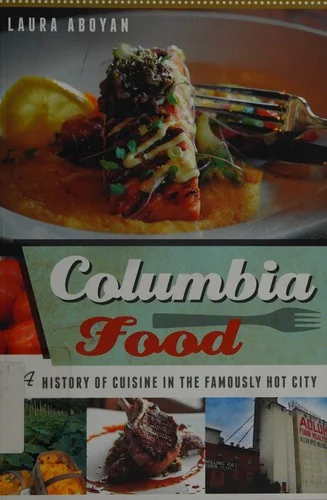
Columbia Food: A History of Cuisine in the Famously Hot City
✍️ Aboyan, LauraA historical account of Columbia South Carolina cuisine by Laura Aboyan
The work focuses on the intersection of agriculture and dining in the South Carolina capital. It identifies key suppliers like City Roots and Soda City as foundational to the local food scene. The narrative then shifts to specific restaurants that embody the city's diverse influences. By analyzing places like Terra and Rosso, along with the contributions of chef Ricky Mollohan, the book demonstrates how individual establishments create a unique regional identity. This approach links historical development with contemporary culinary choices.
This book sits within the context of Southern United States state and local history, specifically focusing on the culinary traditions of Columbia, South Carolina. It addresses the evolution of cuisine in this famously hot city, linking historical periods to modern food practices through the lens of local producers and chefs.


📝 Description: Columbia Food: A History of Cuisine in the Famously Hot City
💎 Expert review
📖 Why choose it
Why this book is worth reading
Readers deeply invested in South Carolina’s regional history and the mechanics of local food systems will find this volume particularly engaging. Aboyan offers a concrete examination of how agricultural sources, such as community-supported agriculture initiatives, directly influence contemporary dining experiences in Columbia. By profiling specific establishments like City Roots and Terra, the book illustrates the tangible connection between farm and table. It is ideal for those interested in the development of local food networks and the unique gastronomic identity shaped by individual chefs and artisans rather than broad national trends.
⭐ Reader reviews
Reader rating
Aboyan provides a grounded look at Columbia’s culinary landscape, linking historical context to modern practices through specific venue profiles. While valuable for understanding regional food systems, the scope is intentionally narrow. It does not suit readers seeking technical cooking instructions or broad national culinary trends. The narrative focuses heavily on the intersection of agriculture and dining, making it less relevant for those looking for general cookbook recipes. However, for enthusiasts of place-based food writing who appreciate detailed accounts of how local suppliers shape restaurant identities, this volume offers a compelling, albeit specific, perspective on Southern urban cuisine.
❓ Frequently asked questions
📖 Who should read this
South Carolina residents or history enthusiasts interested in the evolution of local cuisine. This book suits readers who appreciate the connection between regional agriculture and dining culture. It is ideal for those curious about how specific suppliers and chefs shape the culinary identity of Columbia.