12,300+ cookbooks Ships from the US · 30-day returns
👤 My Account

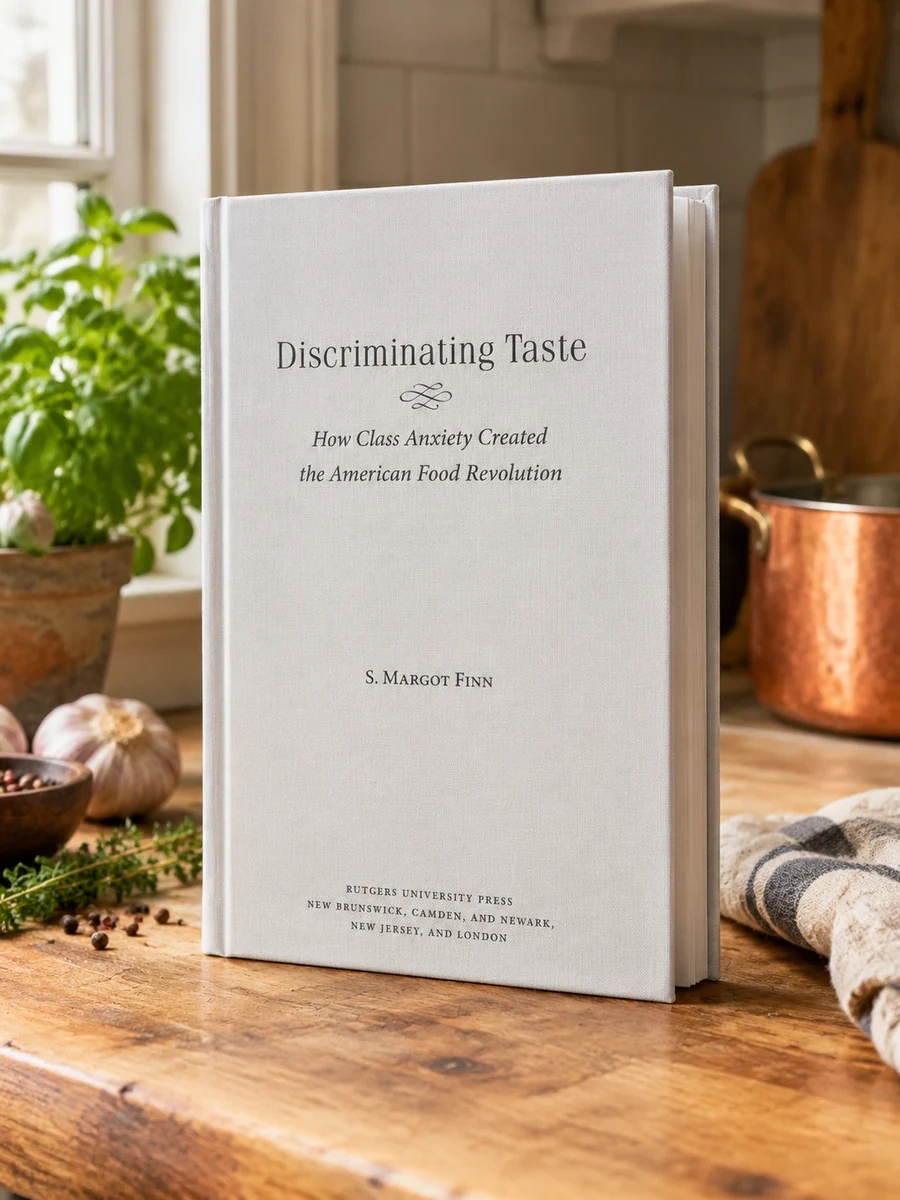
Discriminating Taste: How Class Anxiety Created the American Food Revolution

✍️ Finn, S Margot
Reader Score
4.4
(1 review)
$39.95
In stock — ready to ship Ships in 1–2 business days
📚 WHAT THE BOOK IS ABOUT

A sociological study linking class anxiety to American food trends.

Finn posits that the modern obsession with specific food types stems from status anxiety rather than pure taste. She traces this phenomenon back to the Gilded Age, suggesting that as income gaps widen, people use dietary choices to signal their position in society. The book critiques the idea that culinary skill is purely meritocratic, arguing instead that it is often a tool for exclusion. By analyzing media representations and shopping habits, Finn reveals how sacrifice and pleasure are intertwined with virtue signaling. This perspective encourages readers to question the moral judgments embedded in their food choices.

Key Themes
class anxiety Gilded Age parallels food status markers
Literary Context

The book situates its analysis within the context of American social history, specifically drawing on the Gilded Age and the Progressive Era. It addresses contemporary issues of income inequality and the rise of organic and gourmet markets in the United States.


Difficulty
●●● Challenging
Recommended For Fans Of
Food sociology texts · Culinary history studies · Cultural critiques of American consumption · Gilded Age social histories
📜
Food Writing & History
🏛 Rutgers University Press 📅 2017 📔 Paperback ISBN: 9780813576855

📝 Description: Discriminating Taste: How Class Anxiety Created the American Food Revolution

Margot Finn examines how class anxiety shaped American food culture in Discriminating Taste. She argues that contemporary preferences for gourmet, ethnic, diet, and organic foods are not merely aesthetic choices but markers of social status. The book draws historical parallels between modern dietary trends and the Gilded Age, showing how income inequality drives the desire to distinguish oneself through consumption. Finn structures her analysis across chapters such as Aspirational Eating and Just Mustard. She investigates cultural touchstones like Ratatouille and The Biggest Loser to reveal how good food is conflated with high status. The text challenges common assumptions about culinary enlightenment and meritocracy in cooking. It also explores the negotiation of food snobbery and the virtues associated with where one shops. This work suits readers interested in the sociology of eating and the history of American class structures. It may disappoint those seeking practical recipes or straightforward historical narratives without theoretical framing. Finn’s approach connects social science concepts to daily habits, offering a critical look at why we eat what we do.

💎 Expert review

“
🍳
Eatbook Family editorial team
Cookbook desk
Margot Finn delivers a provocative examination of how rising income gaps drive the desire to distinguish oneself through consumption, structuring her analysis across chapters like Aspirational Eating and Just Mustard. While it brilliantly connects social science concepts to daily habits, it may deeply disappoint readers seeking practical recipes or straightforward historical narratives without heavy theoretical framing. Those looking for culinary techniques or simple historical storytelling will find the dense academic approach frustrating. However, for enthusiasts of food writing and sociological critique willing to unpack the hidden politics of the pantry, it offers an eye-opening perspective on why we eat what we do.
✓ EDITOR'S REVIEW

📖 Why choose it

📖

Why this book is worth reading

Readers interested in the sociology of eating and the history of American class structures gain a sharp, critical framework for understanding modern food culture. This book benefits anyone looking to dissect how contemporary preferences for gourmet, ethnic, diet, and organic foods function as markers of social status rather than purely aesthetic choices. By analyzing media representations, shopping habits, and cultural touchstones like Ratatouille and The Biggest Loser, S. Margot Finn reveals the intricate ways sacrifice and pleasure intertwine with virtue signaling. It encourages individuals to question the moral judgments embedded in daily eating habits and challenges the comforting myth that culinary skill is entirely meritocratic.

⭐ Reader reviews

The starting rating comes from the team Eatbook Family —
⭐ eatbookfamily.com editorial review Editorial rating 4.5/5
★★★★★
Readers interested in food sociology and history who want to understand the social drivers behind culinary trends. Ideal for those analyzing class dynamics or seeking context for modern dietary ethics rather than practical cooking instruction.

Reader rating

4.4
Based on 1 reviews
5
0
4
1
3
0
2
0
1
0
E
Eatbook Family editorial team

Margot Finn delivers a provocative examination of how rising income gaps drive the desire to distinguish oneself through consumption, structuring her analysis across chapters like Aspirational Eating and Just Mustard. While it brilliantly connects social science concepts to daily habits, it may deeply disappoint readers seeking practical recipes or straightforward historical narratives without heavy theoretical framing. Those looking for culinary techniques or simple historical storytelling will find the dense academic approach frustrating. However, for enthusiasts of food writing and sociological critique willing to unpack the hidden politics of the pantry, it offers an eye-opening perspective on why we eat what we do.

❓ Frequently asked questions

No. The text is a sociological study analyzing how class anxiety influences American food trends and dietary choices.
275 pages, paperback.
Published in 2017 by Rutgers University Press.
Orders ship from a US warehouse. The shipping cost is shown before you pay, and returns are accepted within 30 days.

📖 Who should read this

Readers interested in food sociology and history who want to understand the social drivers behind culinary trends. Ideal for those analyzing class dynamics or seeking context for modern dietary ethics rather than practical cooking instruction.

📜 Historical context

This work stands apart from standard cookbooks by examining the sociological roots of American eating habits. It connects Gilded Age status anxiety to contemporary food choices, offering a critical lens on how dietary decisions signal social position and reinforce economic disparities in consumer culture.

✍️ More books by this author Finn, S Margot

All books by this author →
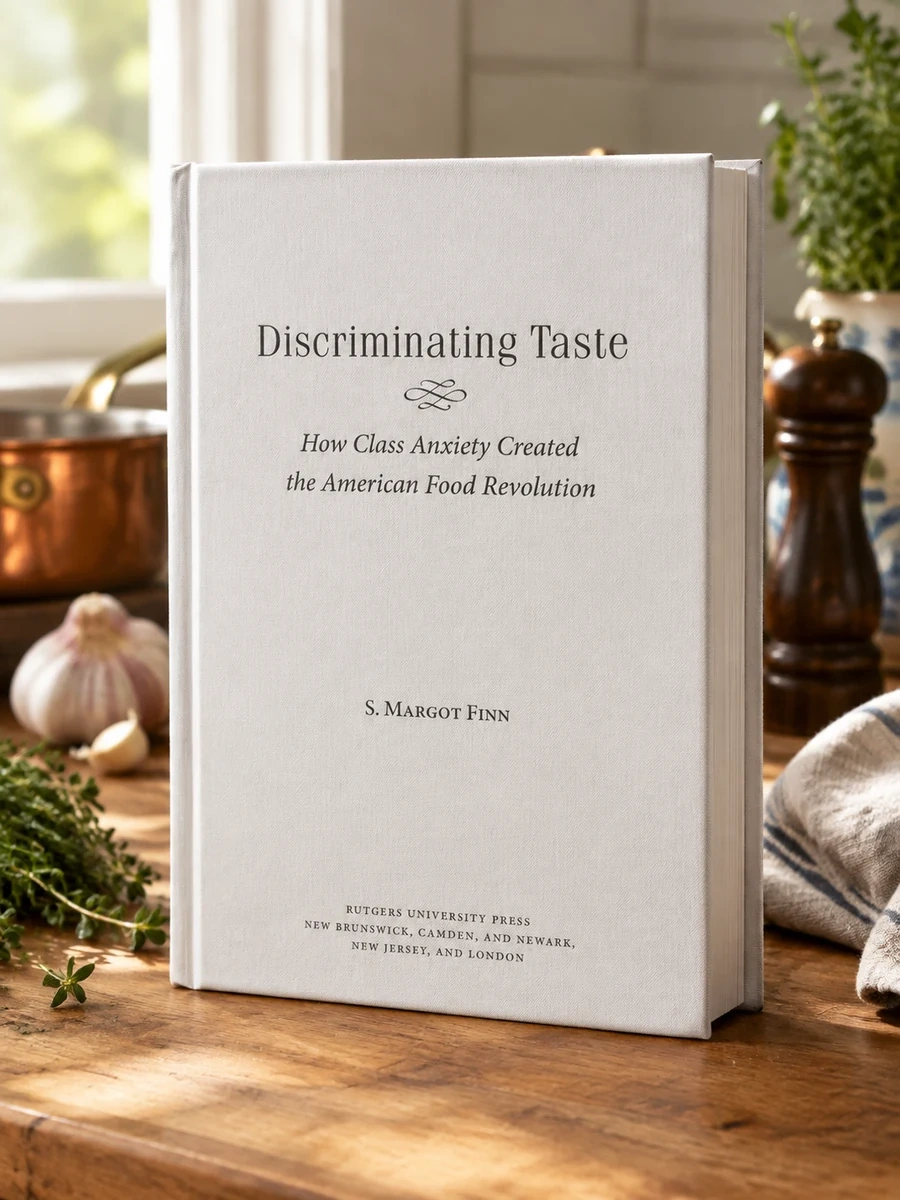
Discriminating Taste: How Class Anxiety Created the American Food Revolution
★★★★★
★★★★★
4.5
Finn, S Margot
Discriminating Taste: How Class Anxiety Created the American Food Revolution
$155.00
81

🏛 Books from this publisher Rutgers University Press

All books from this publisher →
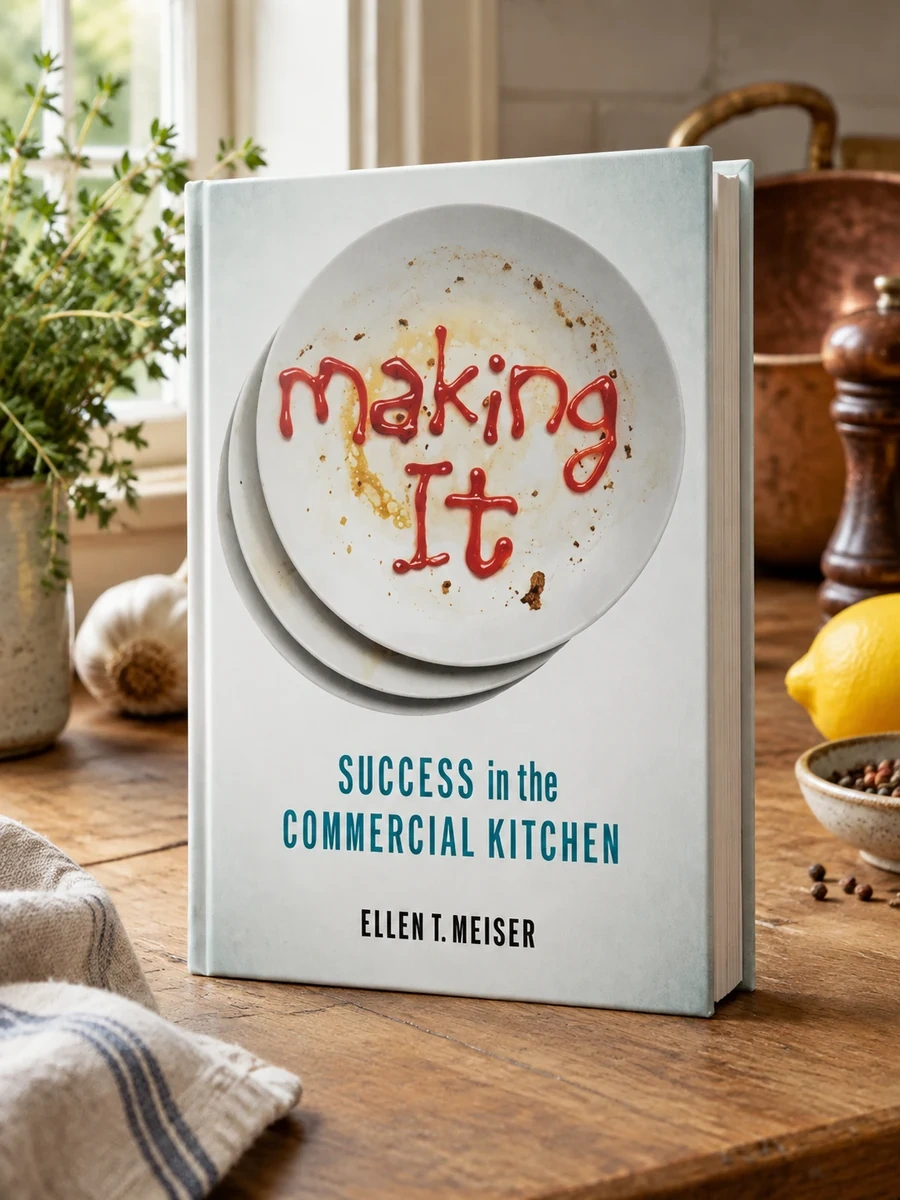
Making It: Success in the Commercial Kitchen
★★★★★
★★★★★
4.5
Meiser, Ellen T
Making It: Success in the Commercial Kitchen
$27.95
81
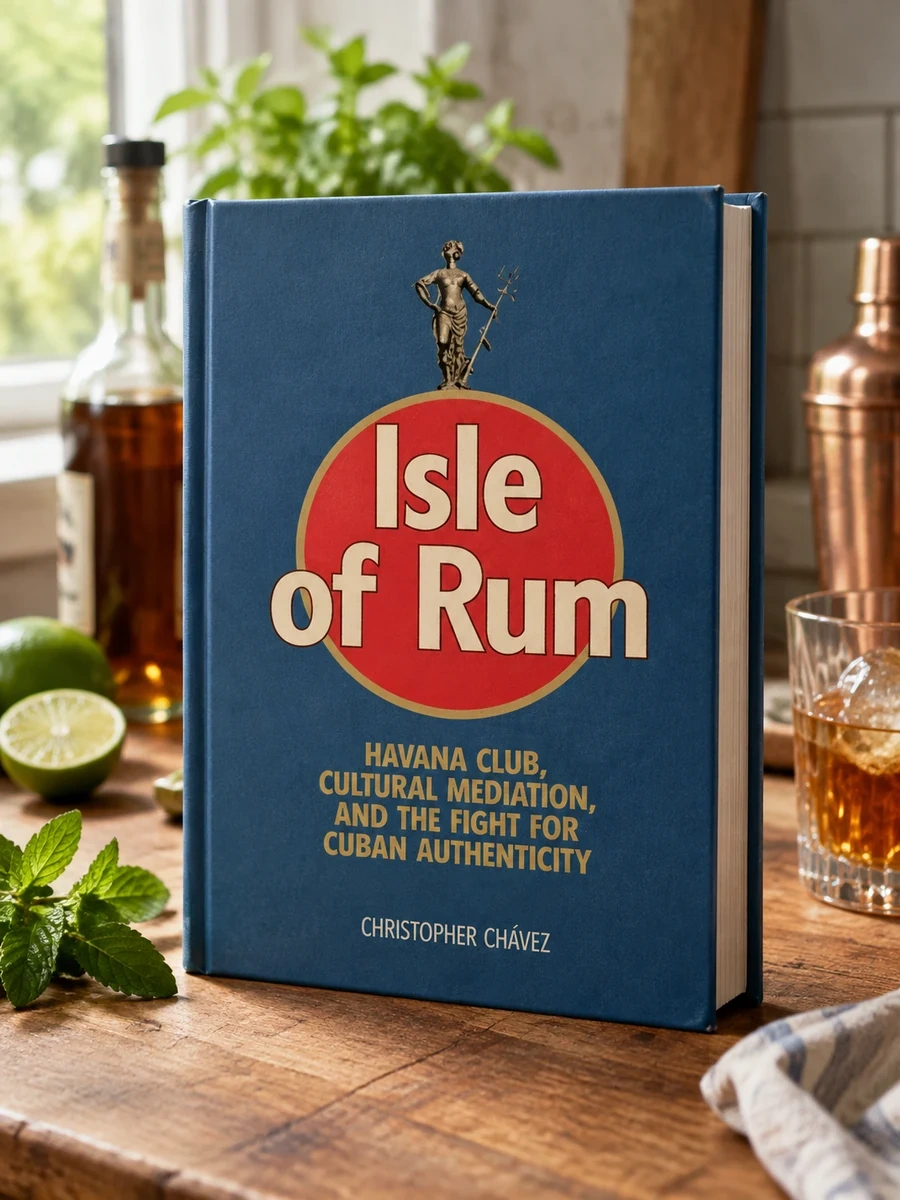
Isle of Rum: Havana Club, Cultural Mediation, and the Fight for Cuban Authenticity
★★★★★
★★★★★
4.5
Chavez, Christopher
Isle of Rum: Havana Club, Cultural Mediation, and the Fight for Cuban Authenticity
$30.95
78
Diet and the Disease of Civilization
★★★★★
★★★★★
4.7
Bitar, Adrienne Rose
Diet and the Disease of Civilization
$35.95
89
Discriminating Taste: How Class Anxiety Created the American Food Revolution
★★★★★
★★★★★
4.5
Finn, S Margot
Discriminating Taste: How Class Anxiety Created the American Food Revolution
$155.00
81
Food Across Borders
★★★★★
★★★★★
4.5
Garcia, Matt
Food Across Borders
$39.95
78
Diet and the Disease of Civilization
★★★★★
★★★★★
4.5
Bitar, Adrienne Rose
Diet and the Disease of Civilization
$155.00
78
Food Across Borders
★★★★★
★★★★★
4.5
Garcia, Matt
Food Across Borders
$155.00
81
Taking the Heat: Women Chefs and Gender Inequality in the Professional Kitchen
★★★★★
★★★★★
4.5
Harris, Deborah A
Taking the Heat: Women Chefs and Gender Inequality in the Professional Kitchen
$155.00
81

You might also like

See more →

Discriminating Taste: How Class Anxiety Created the American Food Revolution
★★★★★
★★★★★
4.5
1
Finn, S Margot
Discriminating Taste: How Class Anxiety Created the American Food Revolution
$155.00
81
Diet and the Disease of Civilization
★★★★★
★★★★★
4.7
Bitar, Adrienne Rose
Diet and the Disease of Civilization
$35.95
89
Taking the Heat: Women Chefs and Gender Inequality in the Professional Kitchen
★★★★★
★★★★★
4.5
1
Harris, Deborah A
Taking the Heat: Women Chefs and Gender Inequality in the Professional Kitchen
$39.95
81
From Canton Restaurant to Panda Express: A History of Chinese Food in the United States
★★★★★
★★★★★
4.5
1
Liu, Haiming
From Canton Restaurant to Panda Express: A History of Chinese Food in the United States
$39.95
81
Making It: Success in the Commercial Kitchen
★★★★★
★★★★★
4.5
Meiser, Ellen T
Making It: Success in the Commercial Kitchen
$27.95
81
Food Across Borders
★★★★★
★★★★★
4.5
1
Garcia, Matt
Food Across Borders
$155.00
81
Eating to Learn, Learning to Eat: The Origins of School Lunch in the United States
★★★★★
★★★★★
4.4
1
Ruis, Andrew R
Eating to Learn, Learning to Eat: The Origins of School Lunch in the United States
$41.95
78
Isle of Rum: Havana Club, Cultural Mediation, and the Fight for Cuban Authenticity
★★★★★
★★★★★
4.4
1
Chavez, Christopher
Isle of Rum: Havana Club, Cultural Mediation, and the Fight for Cuban Authenticity
$30.95
78
Kitchen Confidential: Adventures in the Culinary Underbelly (Updated)
★★★★★
★★★★★
4.8
1
Bourdain, Anthony
Kitchen Confidential: Adventures in the Culinary Underbelly (Updated)
$18.99
92
The French Laundry, Per Se
★★★★★
★★★★★
4.8
1
Keller, Thomas
The French Laundry, Per Se
$75.00
92

Have a question about this item?

Ask about the edition, condition, delivery or anything else — we reply by email or phone, usually within a day.

Home Genres
Cart
Wishlist