“This is tailored for history buffs, academic researchers, and adventurous culinary historians eager to explore period dishes. If you are looking for a quick weeknight dinner guide with modern measurements and easy grocery store hauls, you will be deeply disappointed.
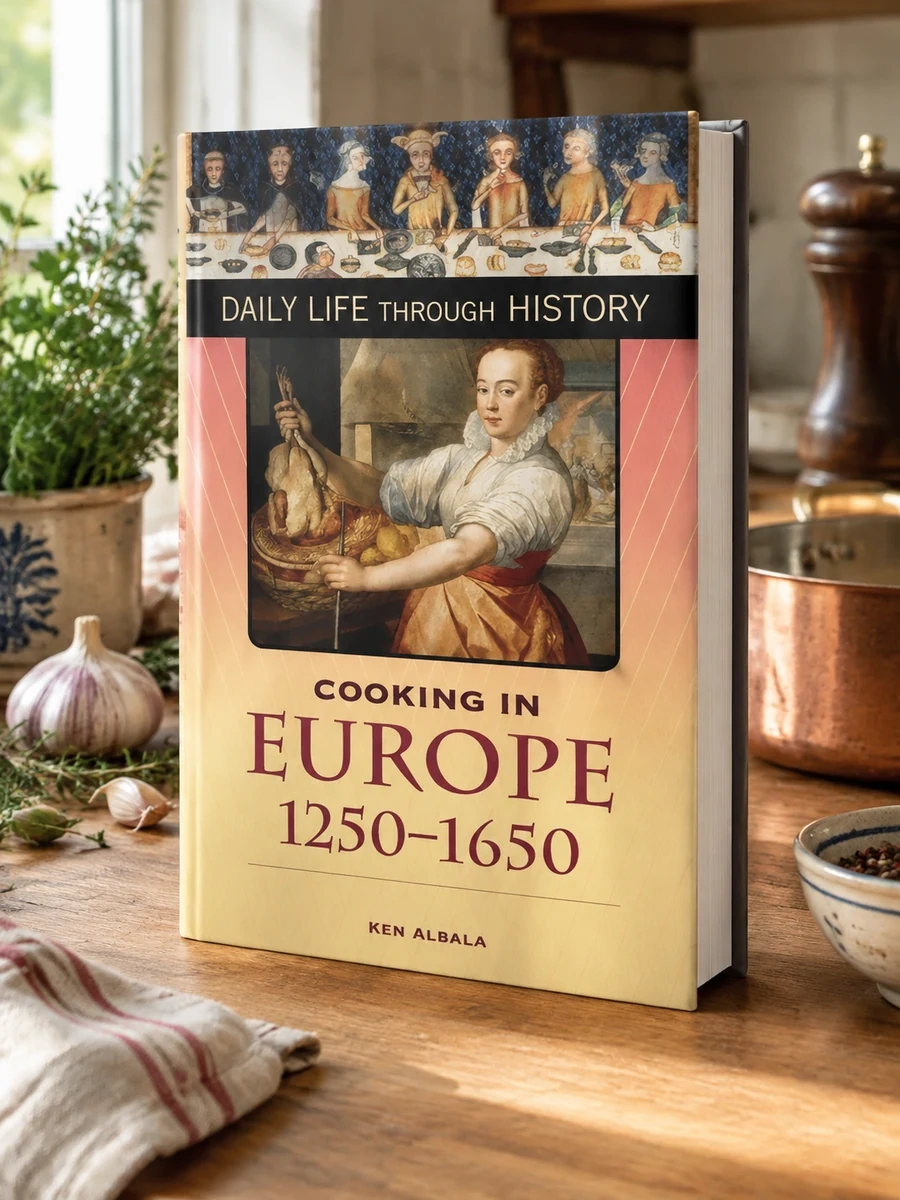
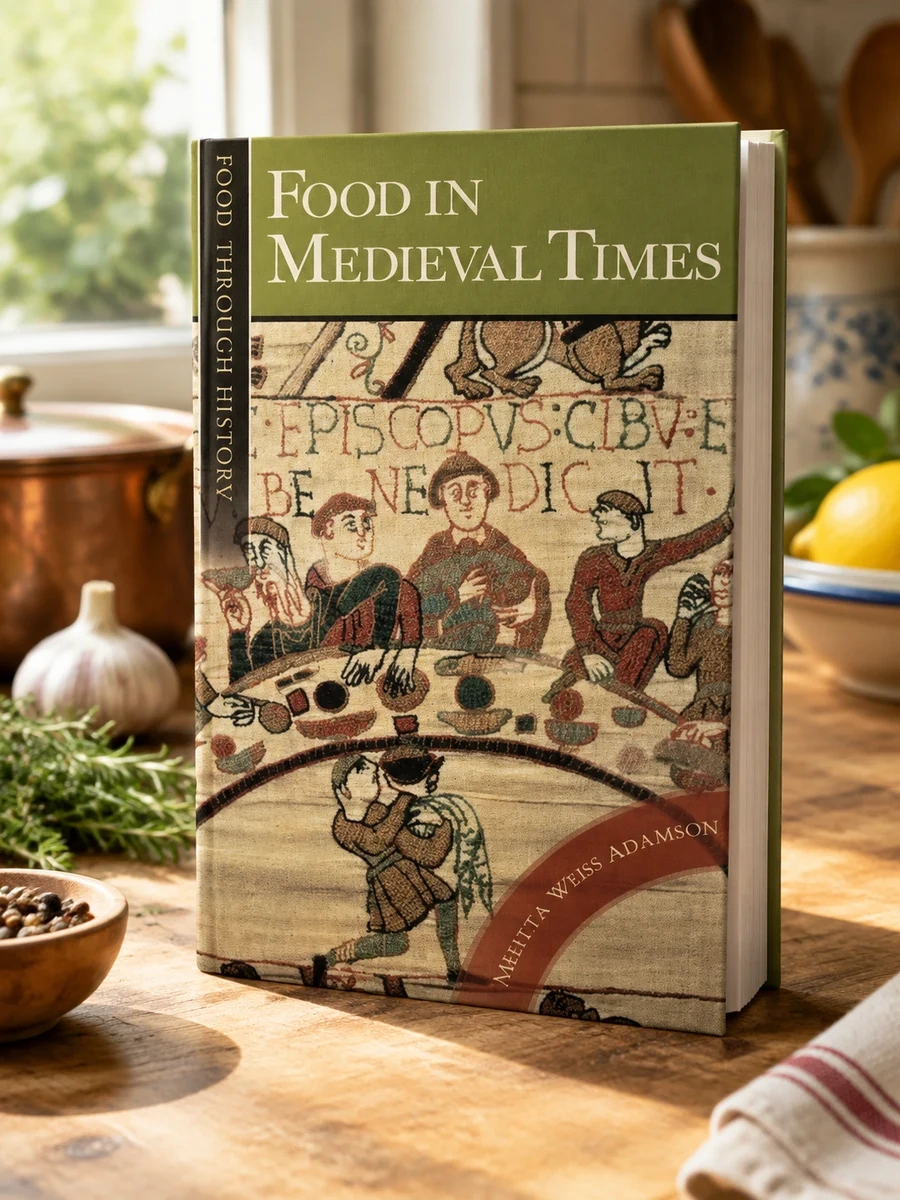
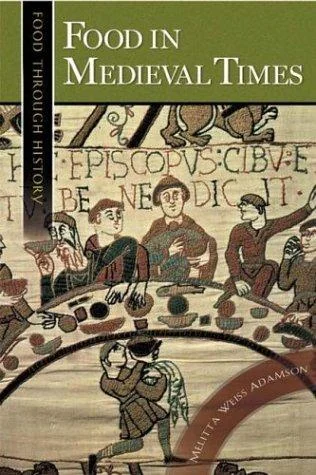
Students and other readers will learn about the common foodstuffs available, how and what they cooked, ate, and drank, what the regional cuisines were like, how the different classes entertained and celebrated, and what restrictions they followed for health and faith reasons. Fascinating information is provided, such as on imitation food, kitchen humor, and medical ideas. Many period recipes and quotations flesh out the narrative. The book draws on a variety of period sources, including as literature, account books, cookbooks, religious texts, archaeology, and art. Food was a status symbol then, and sumptuary laws defined what a person of a certain class could eat--the ingredients and preparation of a dish and how it was eaten depended on a person's status, and most information is available on the upper crust rather than the masses. Equalizing factors might have been religious strictures and such diseases as the bubonic plague, all of which are detailed here.
💎 Expert review
“
🍳
Eatbook Family editorial team
Cookbook desk
The inclusion of period recipes and discussions on topics like sumptuary laws and humoral medical ideas gives the work solid academic texture. However, it does not suit the casual home cook looking for a standard weeknight recipe collection or modern culinary inspiration. The material's primary focus on upper-class dining habits—owing to the scarcity of documentation on the lower classes—alongside its scholarly tone means readers seeking approachable, modernized recipes or light narrative food writing will likely find the detailed historical analysis and historical restrictions far too dry.
✓ EDITOR'S REVIEW
⭐ Reader reviews
The starting rating comes from the team Eatbook Family —
This is tailored for history buffs, academic researchers, and adventurous culinary historians eager to explore period dishes. If you are looking for a quick weeknight dinner guide with modern measurements and easy grocery store hauls, you will be deeply disappointed.
Reader rating
4.5
Based on 1 reviews
5
0
4
1
3
0
2
0
1
0
E
Eatbook Family editorial team
The inclusion of period recipes and discussions on topics like sumptuary laws and humoral medical ideas gives the work solid academic texture. However, it does not suit the casual home cook looking for a standard weeknight recipe collection or modern culinary inspiration. The material's primary focus on upper-class dining habits—owing to the scarcity of documentation on the lower classes—alongside its scholarly tone means readers seeking approachable, modernized recipes or light narrative food writing will likely find the detailed historical analysis and historical restrictions far too dry.
❓ Frequently asked questions
Because this focuses on historical analysis rather than modern kitchen testing, it does not provide standard baking cups or metric yields for home cooking.
You will not find step-by-step photography or ingredients meant for a modern supermarket; instead, it features historical quotations and period recipes derived from ancient texts and artifacts.
📖 Who should read this
This is tailored for history buffs, academic researchers, and adventurous culinary historians eager to explore period dishes. If you are looking for a quick weeknight dinner guide with modern measurements and easy grocery store hauls, you will be deeply disappointed.
📜 Historical context
Drawn from period literature, account books, and archaeological records, this study investigates medieval eating habits across various social strata. It examines how class hierarchy, sumptuary laws, religious restrictions, and health beliefs shaped what people grew, cooked, and consumed during an era defined by dramatic inequality.



![Fast Food and Junk Food: An Encyclopedia of What We Love to Eat [2 Volumes]](/img/fast-food-and-junk-food-an-encyclopedia-of-what-we-love-to-eat-2-volum-93938-scene.webp)
![The World Cookbook: The Greatest Recipes from Around the Globe [4 Volumes] (Revised)](/img/the-world-cookbook-the-greatest-recipes-from-around-the-globe-4-volume-94681.webp)