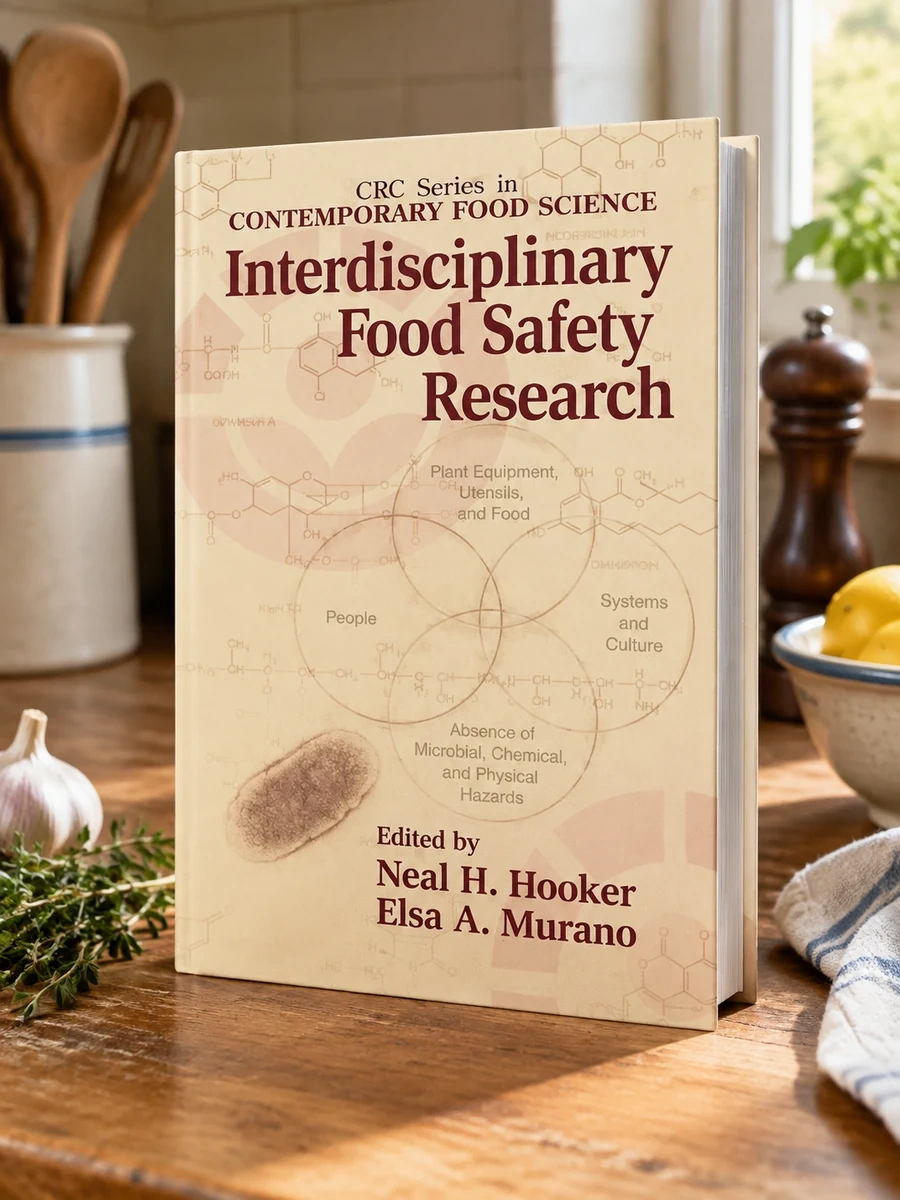
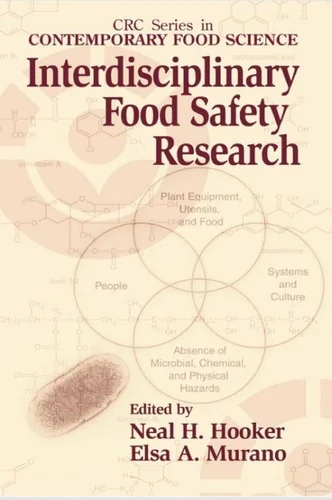
Interdisciplinary Food Safety Research
✍️ Hooker, Neal HA collection of interdisciplinary studies on food safety research and policy.
The volume analyzes the impact of various food safety initiatives through a lens that bridges multiple scientific disciplines. It moves beyond theoretical discussion by presenting concrete case studies, such as contamination control in slaughter facilities and the economic implications of quality assurance. The text integrates perspectives from diverse fields to address complex problems like trade barriers and consumer perceptions. This approach allows for a broader understanding of how different sectors interact within the food supply chain.
Published in 2001, this text reflects the early twenty-first century push for interdisciplinary approaches in food science. It addresses contemporary concerns regarding global trade, agricultural economics, and public health regulations that were gaining prominence during that period.


📝 Description: Interdisciplinary Food Safety Research
💎 Expert review
📖 Why choose it
Why this book is worth reading
This book is designed for researchers, policy analysts, and industry professionals who need a comprehensive overview of the technical and economic frameworks governing food safety. It offers valuable insights into how diverse fields like animal science, veterinary medicine, and agricultural economics intersect to solve contamination issues and trade barriers. Readers interested in the systemic challenges of quality assurance, such as pathogen reduction costs or consumer perceptions of irradiated meat, will find its multidisciplinary case studies essential for understanding the broader context of supply chain safety.
⭐ Reader reviews
Reader rating
While this text provides a rigorous analysis of food safety initiatives, it is strictly academic and technical. It is entirely irrelevant to home cooks seeking recipes or culinary history enthusiasts looking for cultural narratives. The content focuses on slaughterhouse contamination, phytosanitary barriers, and product liability rather than cooking techniques. Consequently, the average reader will find little practical value in its dense examination of economic implications and scientific methodologies. It belongs firmly on the research shelf, serving a niche audience of specialists rather than the general public interested in culinary arts.
❓ Frequently asked questions
📖 Who should read this
This volume targets food safety professionals and policy analysts seeking interdisciplinary insights. It suits researchers analyzing contamination control in slaughter facilities or those studying the economic implications of quality assurance within complex supply chains.