“Curious home cooks with patience for historical techniques and basic equipment will love this. It suits those who enjoy slow preparation to honor ingredients. Busy weeknight chefs or beginners seeking quick, modern shortcuts may find the methods too labor-intensive and the flavor profiles unfamiliar.
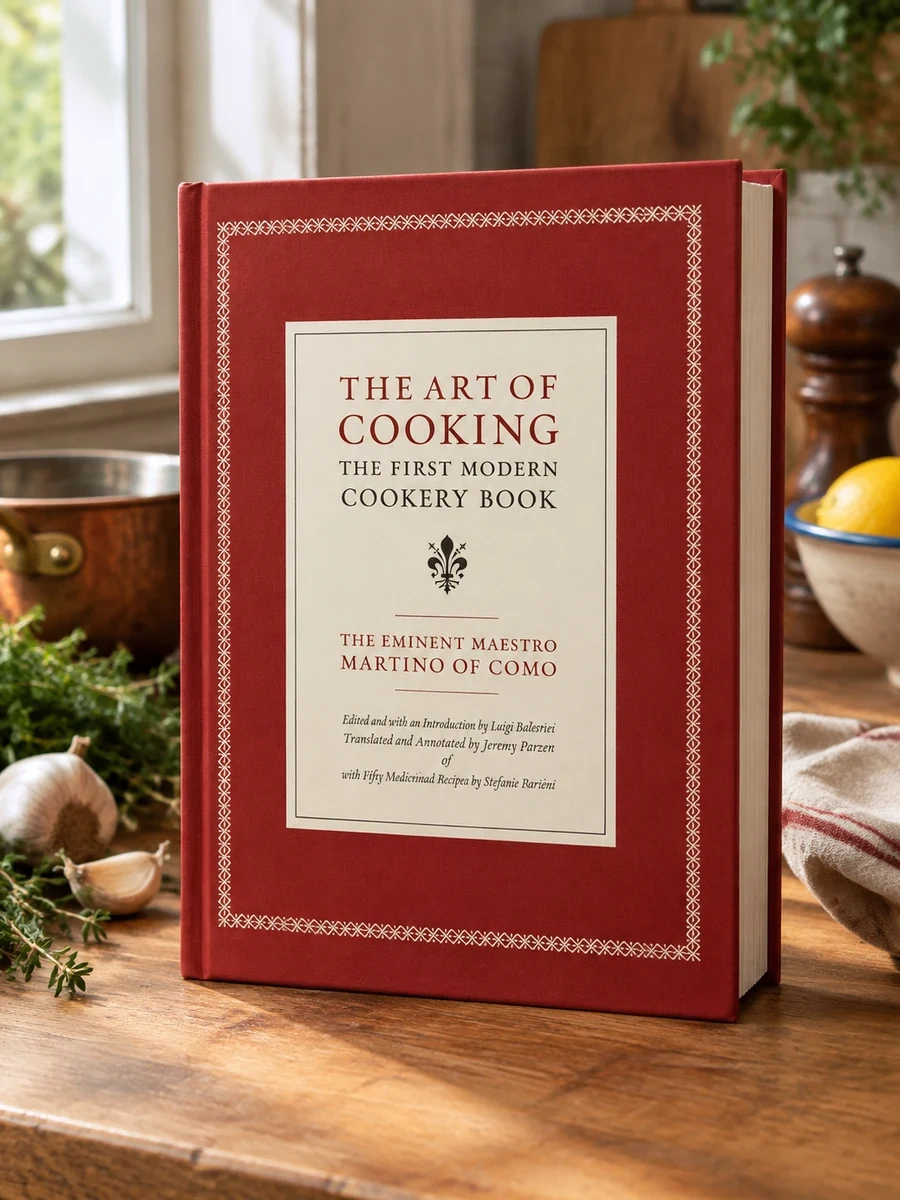
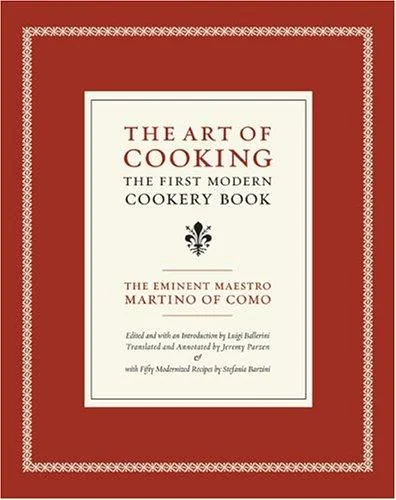
📝 Description: The Art of Cooking: The First Modern Cookery Book Volume 14 (First Edition, with Fifty Modernized Recipes by Stefania Barzini)
"Surely one of the most significant writings ever concerning the origins and methods of Western cookery. As a pure cookbook, it is a collection of Maestro Martino of Como's precise, workable recipes, each preaching the value and preservation of basic flavors--a revolutionary concept for his time. As an historical resource, "The Art of Cooking "places the Maestro's food comfortably within its Renaissance context while at the same time establishing his steady march into culinary modernism. An invaluable book."--Fred Ferretti, former "Gourmet at Large" columnist, "Gourmet Magazine" "I applaud the publication of "The Art of Cooking" by Maestro Martino. With this fine translation of his culinary opus, Martino will be restored to his rightful place in gastronomical history. Stefania Barzini's adaptations for the contemporary palate will surely inspire many readers to try their hands in the kitchen."--Carol Field, food critic, author of "The Italian Baker" "This book will make available to a large public one of the most important culinary treatises in the history of Western cuisine."--Fabio Parasecoli, author of "Food Culture in Italy"
💎 Expert review
“
🍳
Eatbook Family editorial team
Cookbook desk
As a pure cookbook and historical text combined, this volume offers a fascinating glimpse into the origins of Western cookery through Maestro Martino's precise instructions. However, because the edition's own descriptive material is somewhat sparse outside of critical endorsements, casual readers seeking a standard, photo-heavy modern cookbook may find it lacking in visual guidance or everyday convenience. It does not suit those looking for quick weeknight dinners or casual baking tutorials.
✓ EDITOR'S REVIEW
⭐ Reader reviews
The starting rating comes from the team Eatbook Family —
Curious home cooks with patience for historical techniques and basic equipment will love this. It suits those who enjoy slow preparation to honor ingredients. Busy weeknight chefs or beginners seeking quick, modern shortcuts may find the methods too labor-intensive and the flavor profiles…
Reader rating
4.6
Based on 1 reviews
5
0
4
1
3
0
2
0
1
0
E
Eatbook Family editorial team
As a pure cookbook and historical text combined, this volume offers a fascinating glimpse into the origins of Western cookery through Maestro Martino's precise instructions. However, because the edition's own descriptive material is somewhat sparse outside of critical endorsements, casual readers seeking a standard, photo-heavy modern cookbook may find it lacking in visual guidance or everyday convenience. It does not suit those looking for quick weeknight dinners or casual baking tutorials.
❓ Frequently asked questions
Since this is a translation of a fifteenth-century manuscript, it uses period-appropriate units like 'libra' and 'oncia.' However, Stefania Barzini’s modernized adaptations provide clear contemporary conversions for both metric and standard kitchen measurements to ensure accuracy in your own kitchen.
Most staples are accessible, though some recipes call for historical herbs or specific cuts of meat. The fifty modernized recipes by Barzini adjust these requirements slightly, making them much more manageable for today’s shopper while still honoring the original Renaissance spirit.
📖 Who should read this
Curious home cooks with patience for historical techniques and basic equipment will love this. It suits those who enjoy slow preparation to honor ingredients. Busy weeknight chefs or beginners seeking quick, modern shortcuts may find the methods too labor-intensive and the flavor profiles unfamiliar.
📜 Historical context
This work emerges from the vibrant Italian Renaissance, a period when culinary arts began shifting toward emphasizing ingredient integrity over heavy spicing. Maestro Martino of Como represents a pivotal bridge between medieval traditions and early modernist sensibilities. His approach prioritizes preserving natural tastes, reflecting the era's growing appreciation for refined, authentic flavors in Western cuisine.