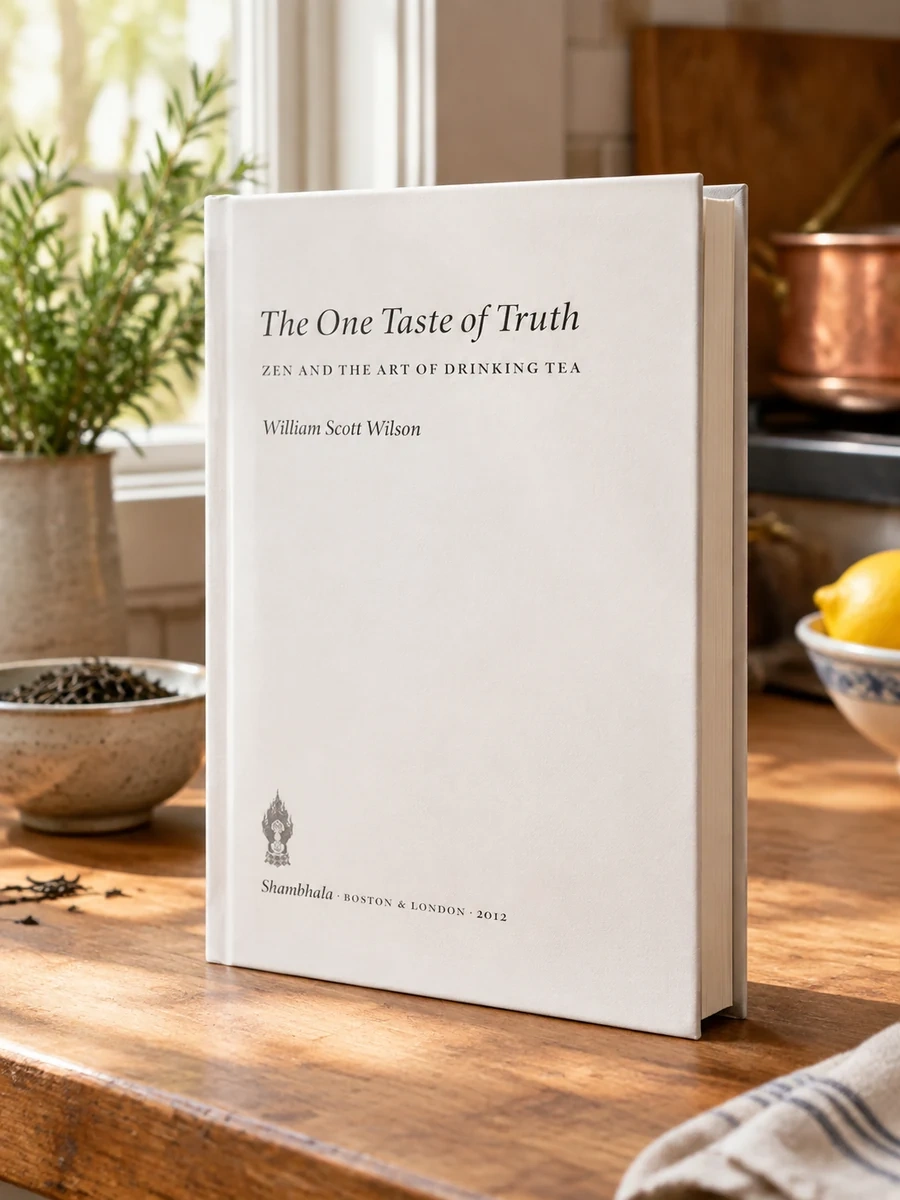
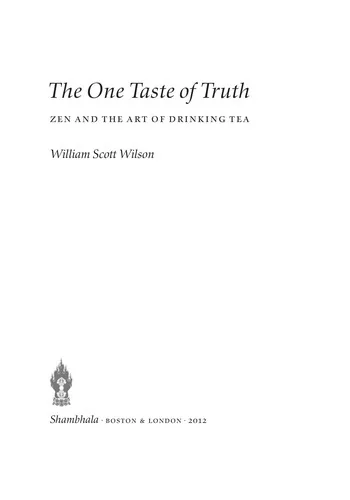
📝 Description: The One Taste of Truth: Zen and the Art of Drinking Tea
This heartfelt ode to the meditative practice of drinking tea examines the origins of traditional tea culture in the East, revealing how a good cuppa can elevate both the mind and spirit Traditionally in China and Japan, drinking a cup of tea was an opportunity for contemplation, meditation, and an elevation of mind and spirit. Here, renowned translator William Scott Wilson distills what is singular and precious about this traditional tea culture, and he explores the fascinating connection between Zen and tea drinking. He unpacks the most common phrases from Zen and Chinese philosophy--usually found in Asia printed on hanging scrolls in tea rooms, restaurant alcoves, family rooms, and martial arts dojos--that have traditionally served as points of contemplation to encourage the appropriate atmosphere for drinking tea or silent meditation. Part history, part philosophy, part inspirational guide, The One Taste of Truth will connect you to the distinctive pleasure of sipping tea and allowing it to transport your mind and thoughts. This beautifully written book will appeal to tea lovers and anyone interested in tea culture, Chinese philosophy, and Zen.
💎 Expert review
“
🍳
Eatbook Family editorial team
Cookbook desk
This title appeals specifically to those with an existing interest in Zen Buddhism or East Asian philosophy, rather than casual readers looking for recipes. It is not suitable for individuals seeking practical brewing instructions or historical data on tea trade routes. The description relies heavily on abstract concepts like 'elevation of mind' without detailing specific techniques or historical timelines. While beautifully written for its target audience, the sparse editorial summary makes it difficult to assess its utility for general food historians.
✓ EDITOR'S REVIEW
⭐ Reader reviews
The starting rating comes from the team Eatbook Family —
Ideal for patient tea enthusiasts, meditators, and philosophy readers who enjoy slow, reflective reading over quick instructions. Speed-driven cooks seeking practical drink recipes or step-by-step beverage tutorials will feel thoroughly disappointed.
Reader rating
4.4
Based on 1 reviews
5
0
4
1
3
0
2
0
1
0
E
Eatbook Family editorial team
This title appeals specifically to those with an existing interest in Zen Buddhism or East Asian philosophy, rather than casual readers looking for recipes. It is not suitable for individuals seeking practical brewing instructions or historical data on tea trade routes. The description relies heavily on abstract concepts like 'elevation of mind' without detailing specific techniques or historical timelines. While beautifully written for its target audience, the sparse editorial summary makes it difficult to assess its utility for general food historians.
❓ Frequently asked questions
No, this is a philosophical and historical exploration rather than a traditional recipe book or beverage guide.
No, the focus is entirely on prose, philosophical texts, and translating classical Zen phrases rather than visual imagery.
📖 Who should read this
Ideal for patient tea enthusiasts, meditators, and philosophy readers who enjoy slow, reflective reading over quick instructions. Speed-driven cooks seeking practical drink recipes or step-by-step beverage tutorials will feel thoroughly disappointed.
📜 Historical context
Rooted deeply in the venerable tea traditions and philosophies of China and Japan, this exploration connects the simple, daily act of brewing tea with centuries of Zen contemplation, quiet meditation, and the peaceful atmosphere of traditional tea rooms.