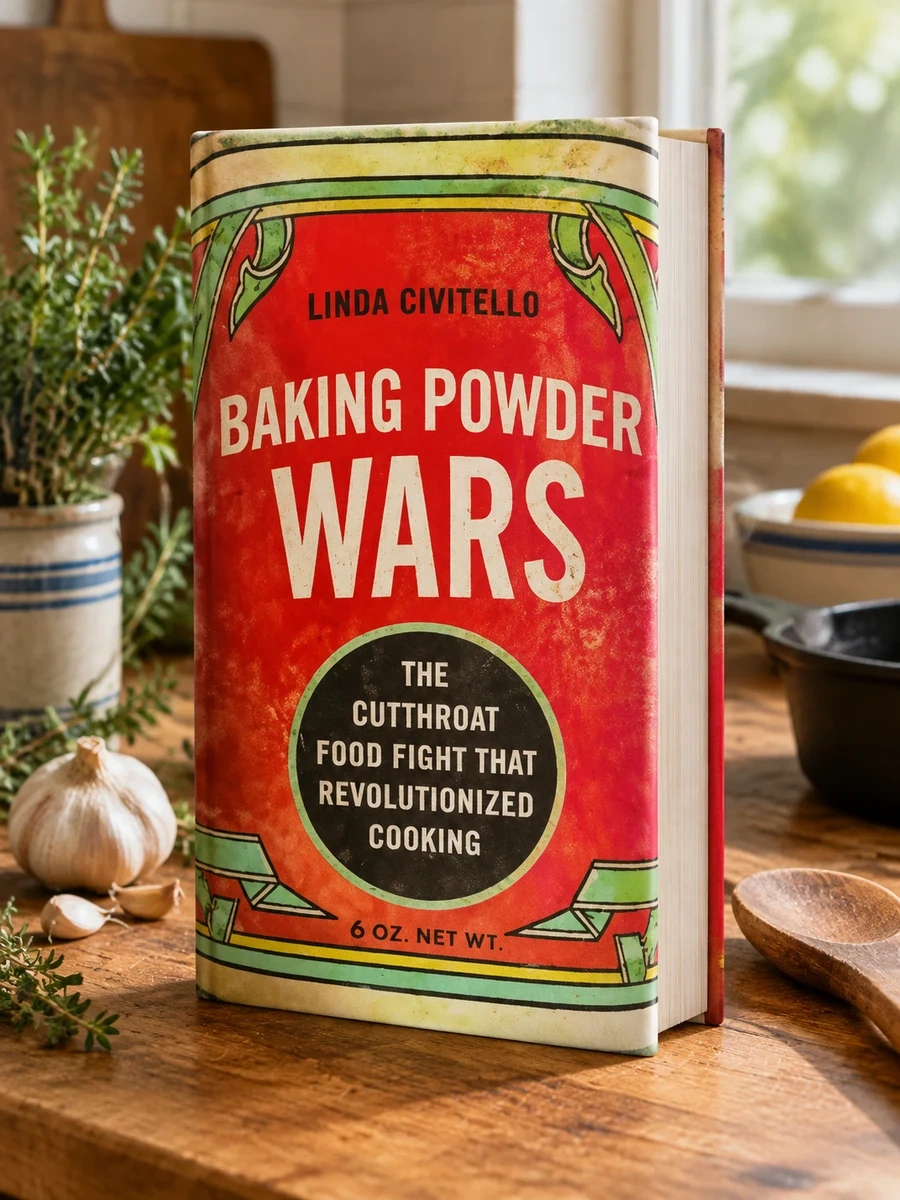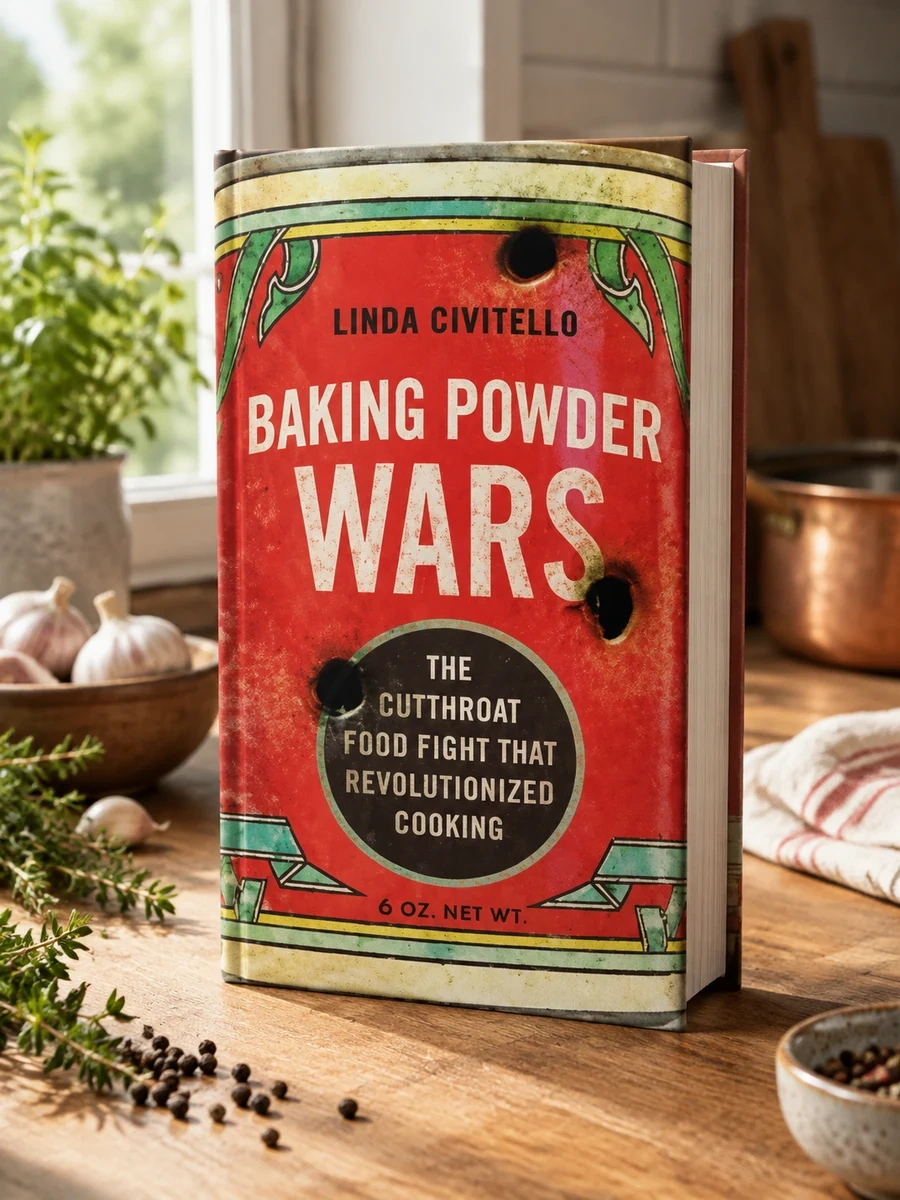
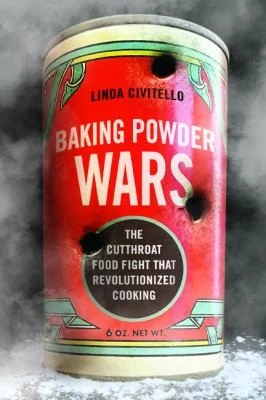
Baking Powder Wars: The Cutthroat Food Fight That Revolutionized Cooking
✍️ Civitello, LindaThe corporate war over leavening agents that changed American cooking.
Civitello focuses on the specific strategies used by major brands to eliminate competition. The text analyzes how advertising evolved alongside chemical innovations in leavening agents. It details the legal battles and pricing wars that forced hundreds of companies to fight for consumer loyalty. The narrative emphasizes the social costs of this industry growth, including targeted harassment campaigns against minority owners.
The book covers the period from 1856 through the twentieth century in the United States. It examines how industrial business practices and social tensions influenced domestic cooking traditions and the national diet during these eras.


📝 Description: Baking Powder Wars: The Cutthroat Food Fight That Revolutionized Cooking
💎 Expert review
📖 Why choose it
Why this book is worth reading
Readers fascinated by food history, business litigation, and culinary science gain a vivid account of how modern American baking came to be. Linda Civitello provides an eye-opening look at the commercial warfare, chemical breakthroughs, and cutthroat branding tactics behind ubiquitous kitchen staples. Beyond corporate strategy, the text illuminates the broader social conflicts of the era, from high-level political involvement to targeted harassment campaigns. Culinary enthusiasts who want to understand the origins of classic recipes—such as cakes, biscuits, pancakes, and donuts—will appreciate learning how industry battles altered daily cooking practices. It is an essential read for anyone who enjoys discovering how hidden corporate feuds shaped everyday life and home baking.
⭐ Reader reviews
Reader rating
Linda Civitello delivers an engaging history that masterfully balances corporate intrigue, food science, and social history. The narrative shines when exposing the ruthless tactics, bare-knuckle litigation, and dramatic smear campaigns that defined the leavening industry's rise. Drawing on thorough research, it offers an unvarnished look at the economic and cultural forces behind common household brands. However, this text is firmly a historical analysis rather than a culinary instruction manual. It does not suit readers looking for standard recipe collections, baking manuals, or step-by-step techniques without historical context.
❓ Frequently asked questions
📖 Who should read this
Readers fascinated by industrial history and food politics will appreciate this exploration of corporate strategy. It suits those interested in how advertising shaped American kitchens and the social costs of market dominance during the late nineteenth and twentieth centuries.