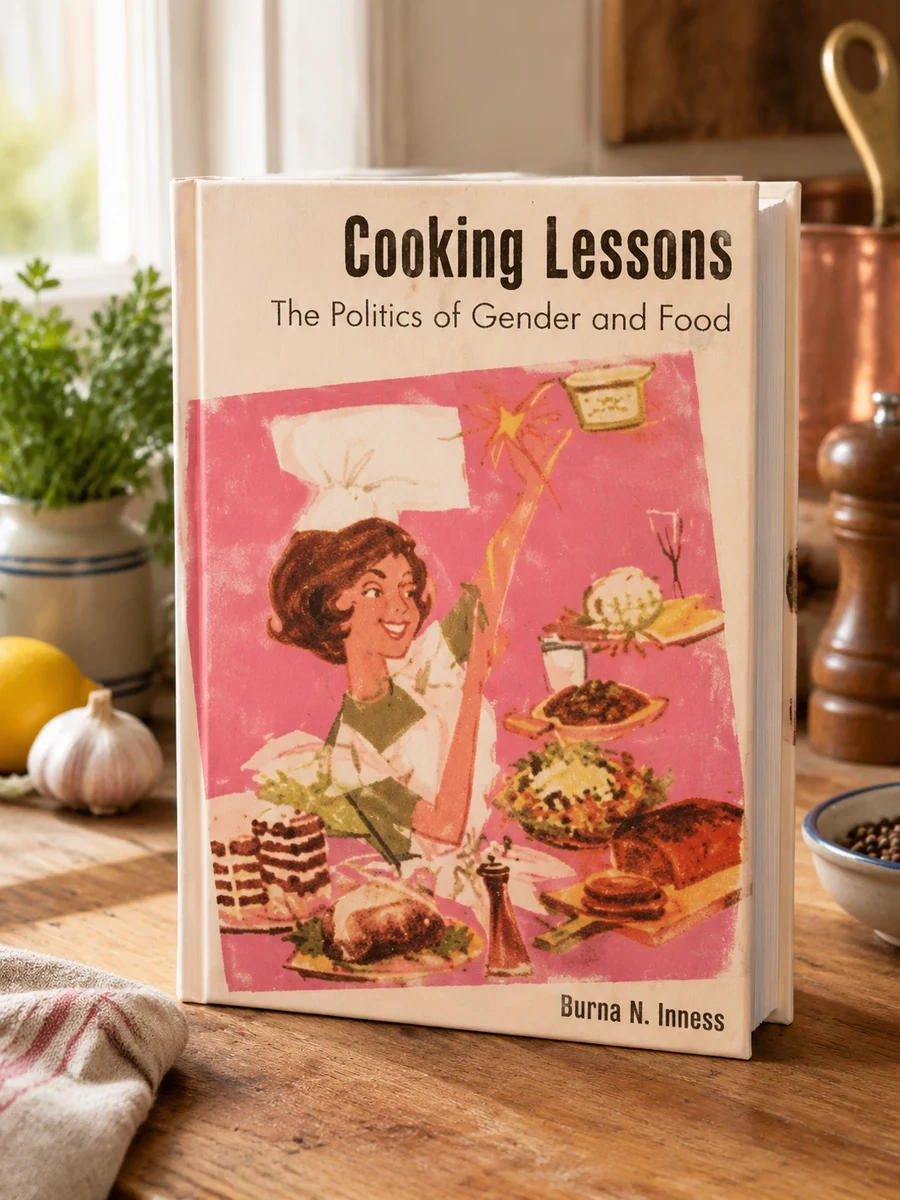
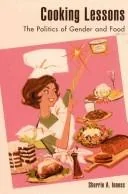
Cooking Lessons: The Politics of Gender and Food
✍️ Inness, Sherrie AAn analysis of how common foods shape gender roles in America.
This volume challenges the assumption that routine meals are culturally neutral. Inness demonstrates that dishes such as cake and fried chicken function as sites of social negotiation. Women utilized these culinary spaces to assert influence when other avenues were closed to them. The book details how racial and class boundaries were reinforced through food stereotypes. It does not offer a narrative of progress but rather a structural critique of domestic labor. The analysis remains grounded in the specific cultural experiences of marginalized groups who used cooking as a form of expression.
Published by Rowman & Littlefield in 2001, this paperback work addresses American society through the lens of social history and popular culture. It focuses on the political dimensions of gender as expressed through everyday food choices.


📝 Description: Cooking Lessons: The Politics of Gender and Food
💎 Expert review
📖 Why choose it
Why this book is worth reading
Readers interested in the intersection of culinary history and gender studies gain significant insight from this structural critique of domestic labor. The book benefits those looking to understand how routine meals are far from culturally neutral, demonstrating instead that dishes function as sites of social negotiation. Scholars and curious minds will appreciate how women from diverse backgrounds, including Hispanic, traditional southern White, and African American communities, utilized culinary spaces to assert influence and display talent when other avenues were closed to them. By organizing the analysis around specific food items rather than broad chronological periods, the volume offers a focused examination of how everyday foods reinforce or challenge racial, class, and gender boundaries.
⭐ Reader reviews
Reader rating
Sherrie A. Inness provides a sharp, academic examination of how common American foods shape gender roles and social hierarchies. Rather than offering a progressive narrative or practical recipes, the text dives deep into a structural critique of domestic labor, using specific items like cake, fried chicken, and meatloaf to reveal hidden cultural meanings. While it succeeds as a rigorous scholarly resource for those examining the relationship between food and identity, readers seeking general American history or practical kitchen guidance will find the academic focus too narrow. It suits dedicated enthusiasts of food history and gender dynamics perfectly, though casual cooks looking for culinary inspiration should look elsewhere.
❓ Frequently asked questions
📖 Who should read this
Readers interested in the intersection of gender studies and culinary history will find this volume essential. It suits scholars analyzing domestic labor and social negotiation rather than home cooks seeking practical recipes or weekend meal inspiration for their families.