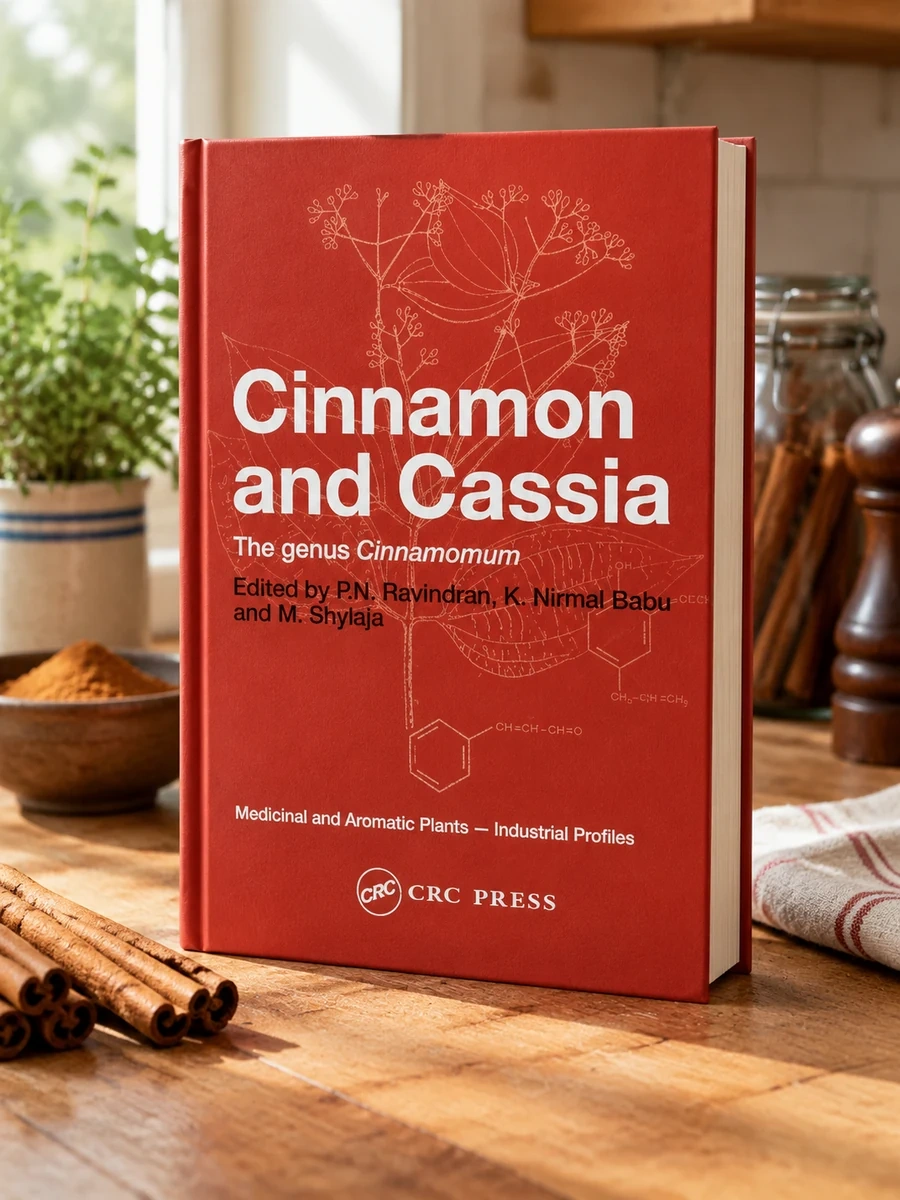
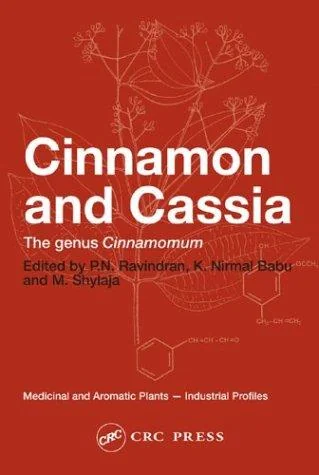
Cinnamon and Cassia: The Genus Cinnamomum
✍️ Ravindran, P NA technical monograph on Cinnamomum spices by Asian experts
This work functions as a specialized resource for the commercial and scientific sides of cinnamon and cassia production. It moves beyond basic culinary uses to address the agronomy and chemistry behind these ingredients. The text provides specific data on crop management, harvesting, and processing. It also covers the economic and marketing aspects relevant to industry professionals. The inclusion of an appendix with recipes offers a practical link to end-use applications for those in product development.
The book draws on the traditions and agricultural practices of Sri Lanka, China, Indonesia, India, and Vietnam. It reflects the historical significance of these spices in Asia. The content is grounded in the scientific study of these regions' primary spice crops.


📝 Description: Cinnamon and Cassia: The Genus Cinnamomum
💎 Expert review
📖 Why choose it
Why this book is worth reading
Professionals in the spice industry, including agronomists, product developers, and marketers, will find this volume indispensable for its deep dive into the Cinnamomum genus. It provides essential data on taxonomy, morphology, and chemical composition that casual readers lack. The text bridges the gap between scientific research and commercial application, offering specific insights into crop management and processing techniques for Sri Lankan cinnamon and various cassia types. By covering economic strategies and pharmacology, it equips industry workers with the necessary context to understand supply chains and end-use applications beyond simple culinary flavoring.
⭐ Reader reviews
Reader rating
This is a dense, scientific examination of cinnamon and cassia, not a cookbook for home cooks. It suits researchers, students, and spice traders who need precise data on agronomy, chemistry, and marketing. The tone is academic and technical, focusing on taxonomy and crop improvement rather than taste or recipe development. Casual readers seeking inspiration will find it dry and inaccessible due to its heavy reliance on botanical terminology and industrial analysis. It is a reference tool for the trade, not a guide for the kitchen, making it unsuitable for general culinary enthusiasts who prefer narrative or instructional cooking content.
❓ Frequently asked questions
📖 Who should read this
Professional agronomists, food scientists, and spice industry marketers seeking technical data on Cinnamomum cultivation and processing. This volume suits researchers analyzing crop science or product developers needing chemical insights rather than home cooks looking for simple culinary inspiration.