“If you love culinary history and want to understand how Sicilian immigrants shaped New Orleans cuisine beyond standard restaurant fare, this book is for you. Casual weeknight cooks looking for a quick recipe collection will be disappointed, as this is a deep historical study rather than a standard kitchen manual.
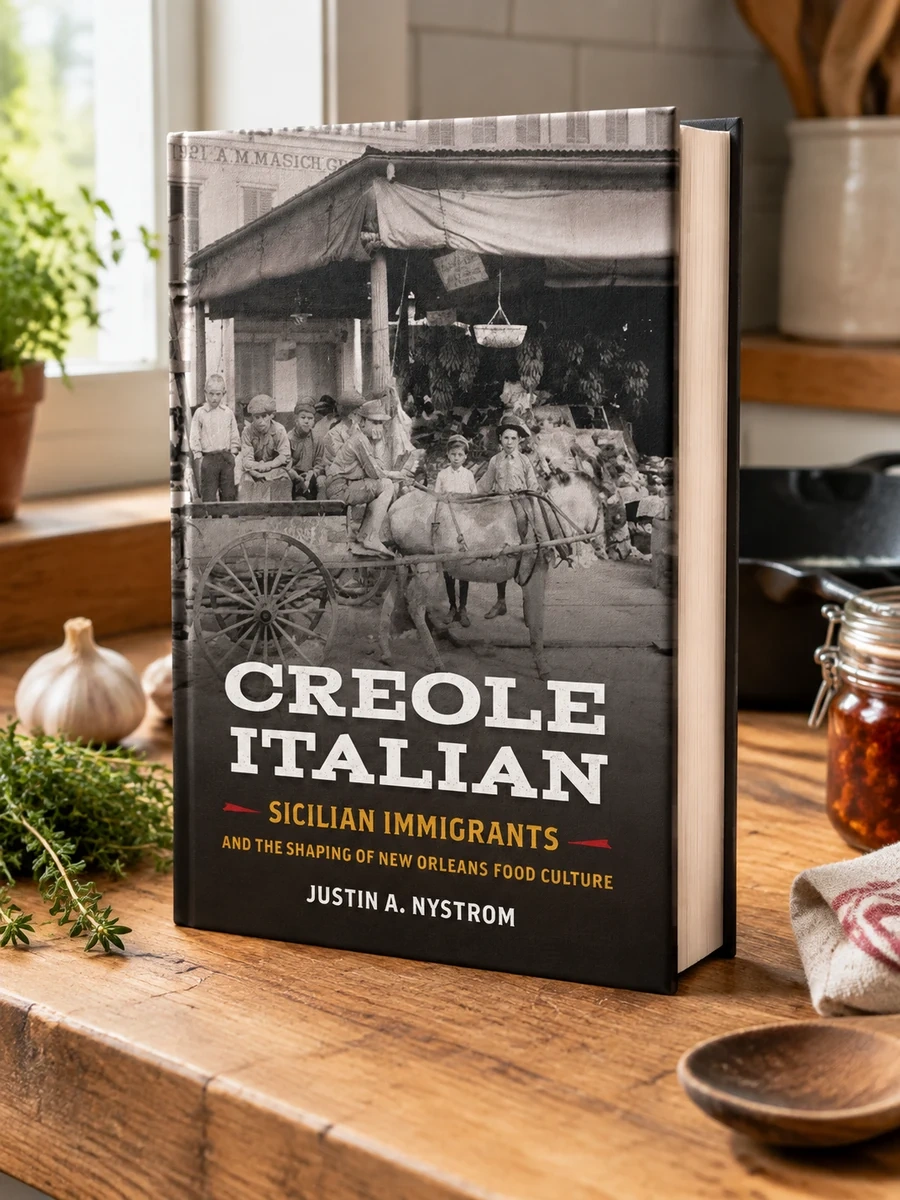
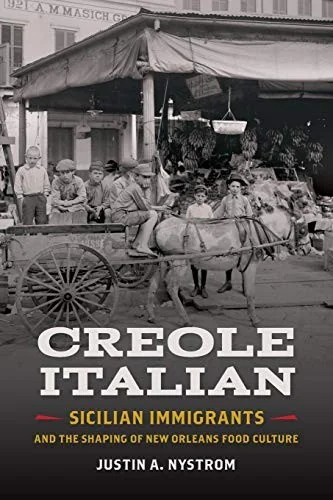
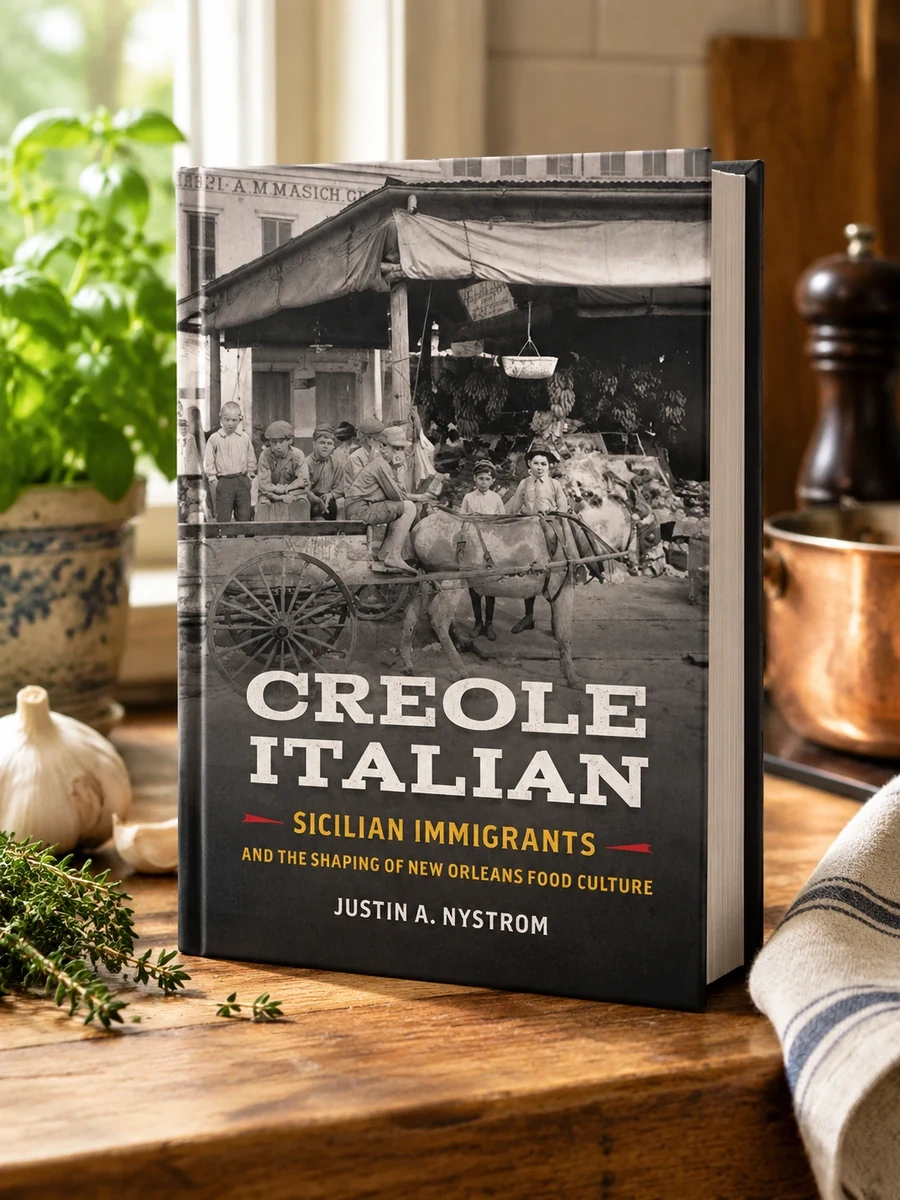
📝 Description: Creole Italian: Sicilian Immigrants and the Shaping of New Orleans Food Culture
In Creole Italian, Justin A. Nystrom explores the influence Sicilian immigrants have had on New Orleans foodways. His culinary journey follows these immigrants from their first impressions on Louisiana food culture in the mid-1830s and along their path until the 1970s. Each chapter touches on events that involved Sicilian immigrants and the relevancy of their lives and impact on New Orleans. Sicilian immigrants cut sugarcane, sold groceries, ran truck farms, operated bars and restaurants, and manufactured pasta. Citing these cultural confluences, Nystrom posits that the significance of Sicilian influence on New Orleans foodways traditionally has been undervalued and instead should be included, along with African, French, and Spanish cuisine, in the broad definition of "creole." Creole Italian chronicles how the business of food, broadly conceived, dictated the reasoning, means, and outcomes for a large portion of the nearly forty thousand Sicilian immigrants who entered America through the port of New Orleans in the nineteenth and early-twentieth centuries and how their actions and those of their descendants helped shape the food town we know today.
💎 Expert review
“
🍳
Eatbook Family editorial team
Cookbook desk
Nystrom provides a rigorous academic examination of how Sicilian immigrants shaped New Orleans foodways from the mid-nineteenth century through the 1970s. The book excels in documenting the business and cultural confluences that defined this community, arguing for their rightful place within the Creole definition. However, it is not a cookbook. It lacks recipes and practical cooking advice. Readers seeking step-by-step instructions or ingredient lists will find this text dry and unhelpful for actual meal preparation.
✓ EDITOR'S REVIEW
⭐ Reader reviews
The starting rating comes from the team Eatbook Family —
If you love culinary history and want to understand how Sicilian immigrants shaped New Orleans cuisine beyond standard restaurant fare, this book is for you. Casual weeknight cooks looking for a quick recipe collection will be disappointed, as this is a deep historical study rather than a standard…
Reader rating
4.6
Based on 1 reviews
5
0
4
1
3
0
2
0
1
0
E
Eatbook Family editorial team
Nystrom provides a rigorous academic examination of how Sicilian immigrants shaped New Orleans foodways from the mid-nineteenth century through the 1970s. The book excels in documenting the business and cultural confluences that defined this community, arguing for their rightful place within the Creole definition. However, it is not a cookbook. It lacks recipes and practical cooking advice. Readers seeking step-by-step instructions or ingredient lists will find this text dry and unhelpful for actual meal preparation.
❓ Frequently asked questions
No, this is a deep historical exploration of how Sicilian immigrants shaped New Orleans food culture rather than a standard cookbook filled with kitchen recipes.
The book traces the impact of Sicilian immigrants from their initial arrival in Louisiana during the mid-1830s all the way through the 1970s.
📖 Who should read this
If you love culinary history and want to understand how Sicilian immigrants shaped New Orleans cuisine beyond standard restaurant fare, this book is for you. Casual weeknight cooks looking for a quick recipe collection will be disappointed, as this is a deep historical study rather than a standard kitchen manual.
📜 Historical context
Following Sicilian immigrants from the mid-1830s through the 1970s, this volume explores how nearly forty thousand newcomers transformed the culinary landscape of New Orleans. Through sugarcane fields, grocery stores, truck farming, and pasta manufacturing, these immigrants wove their traditions into the city's rich cultural tapestry, alongside French, Spanish, and African influences.