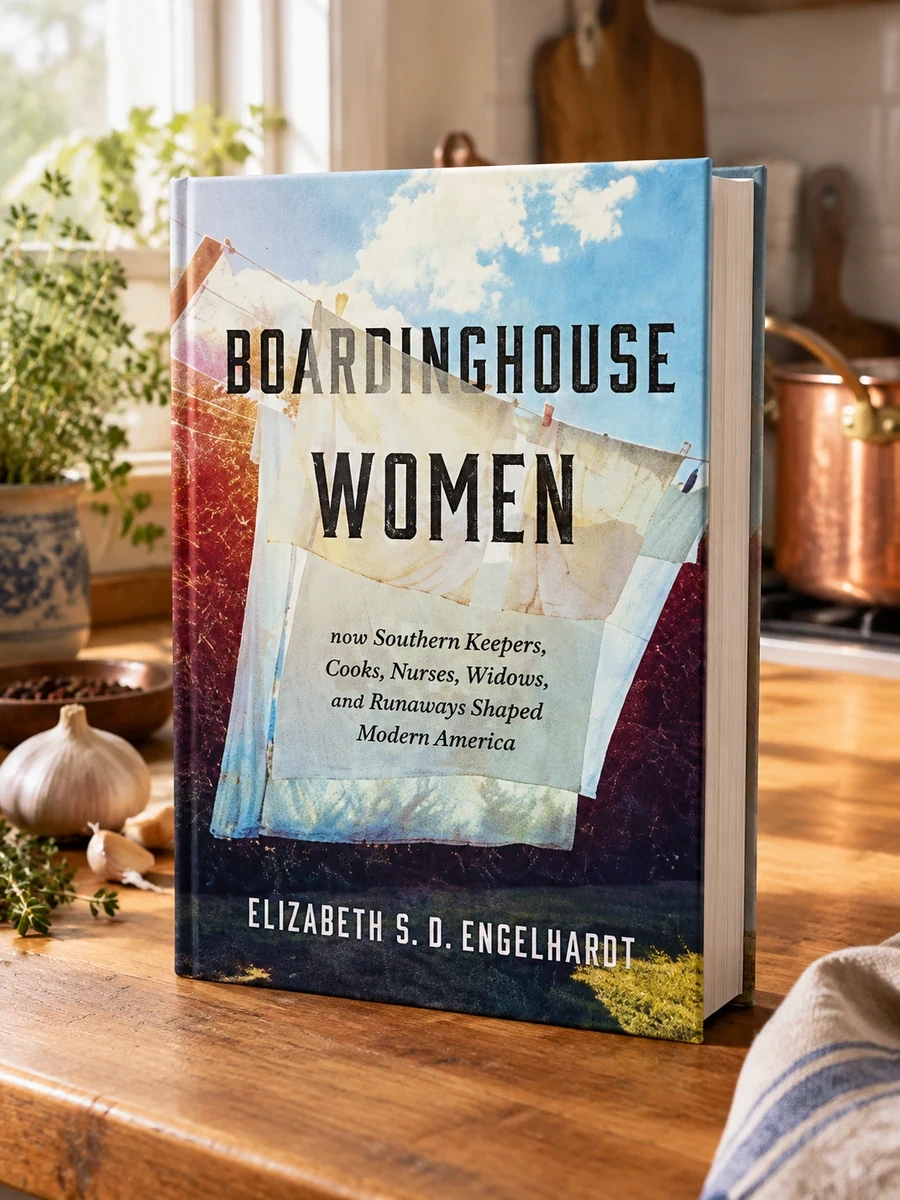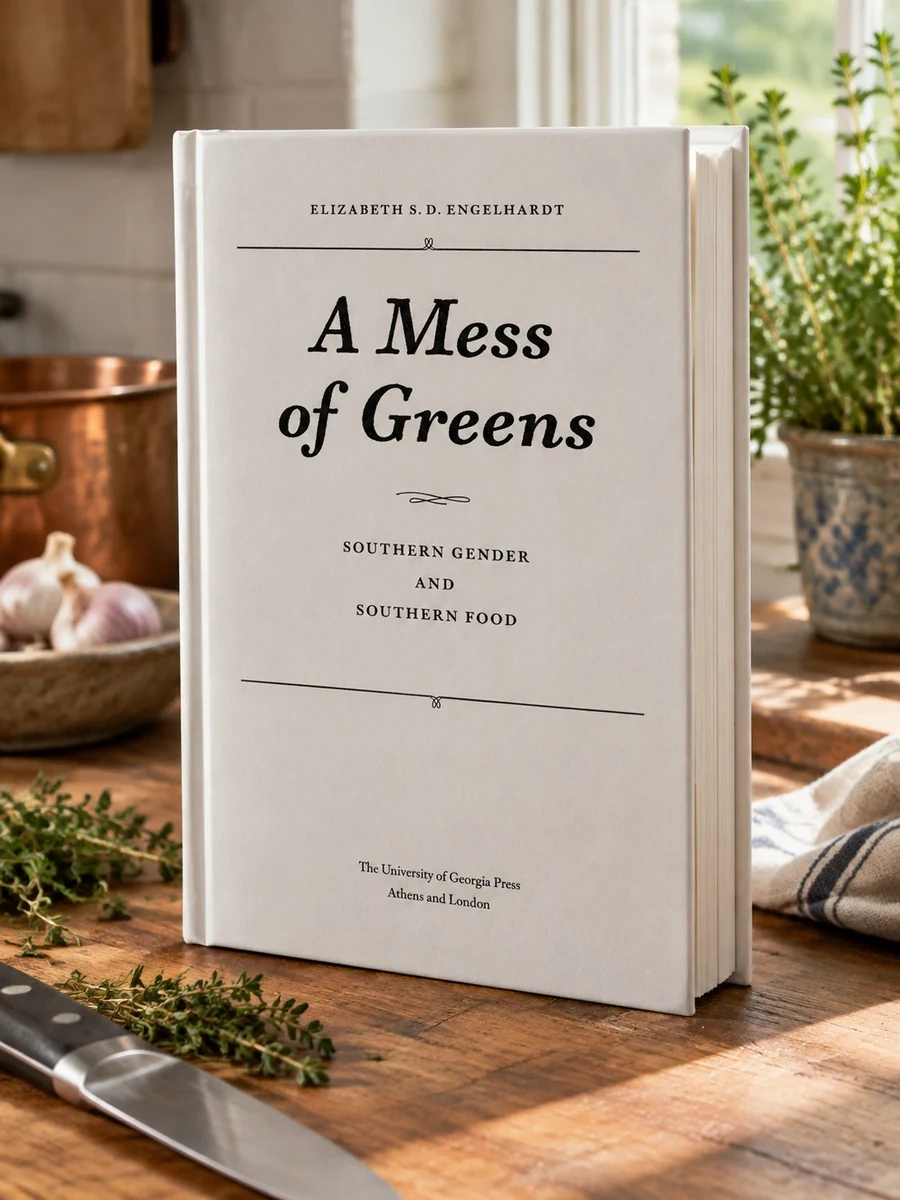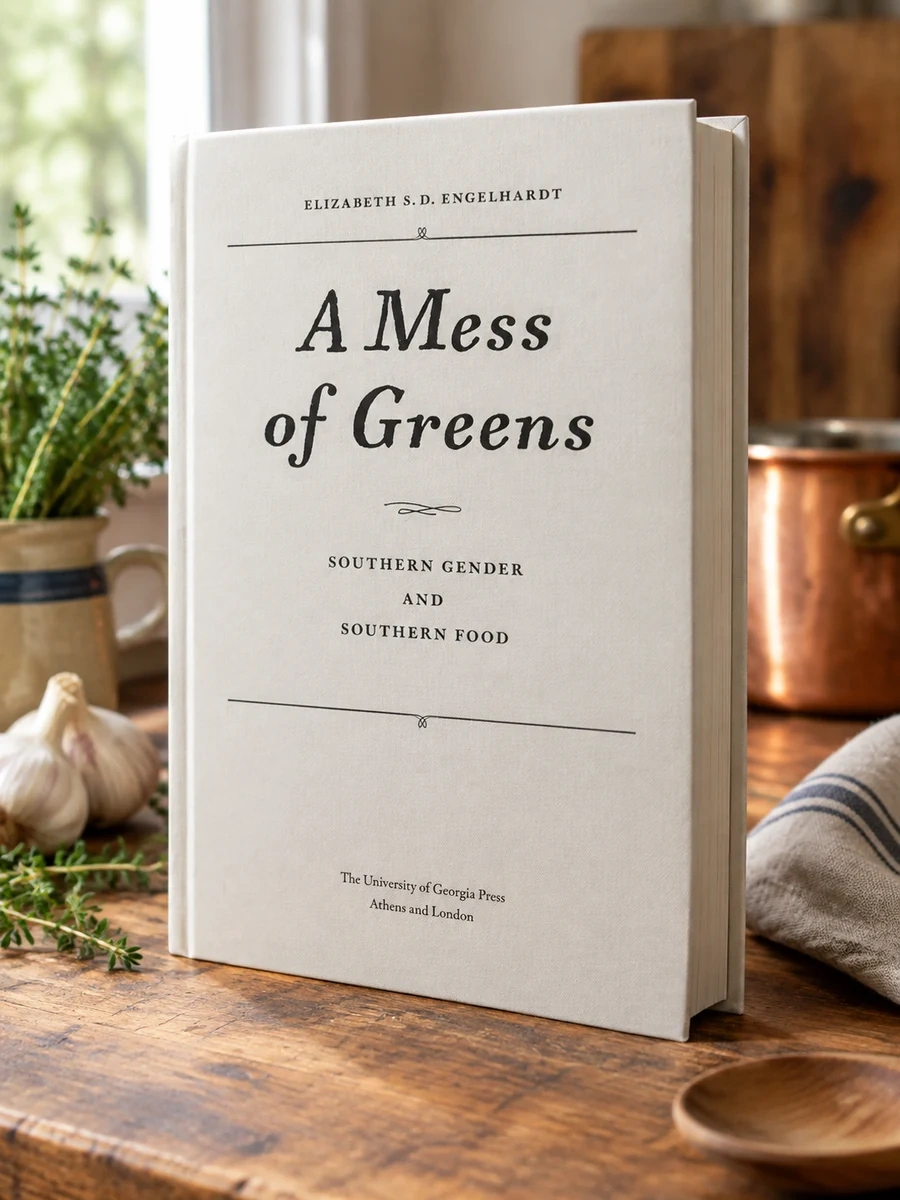
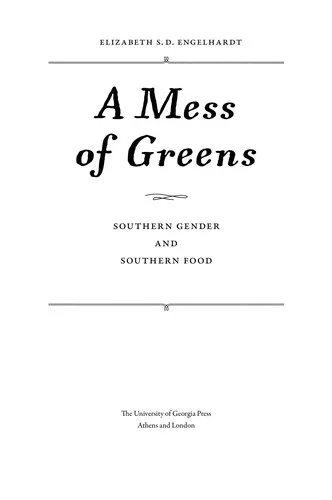
A Mess of Greens: Southern Gender and Southern Food
✍️ Engelhardt, Elizabeth S DA study of southern food through gender and social power dynamics.
Engelhardt reveals how kitchen decisions reflected broader societal tensions during Reconstruction and Jim Crow eras. She argues that race, class, and gender converged in domestic spaces, creating shared traditions despite hierarchical roles. The book highlights the high stakes for middle-range southerners who used food to negotiate their place in a changing world. By focusing on everyday practices rather than grand narratives, she exposes the complexity behind regional culinary identity.
The book addresses the American South during Reconstruction and the Jim Crow era, covering states like Alabama, Georgia, and Mississippi. It examines how industrialization and environmental degradation reshaped social power structures within these regions.


📝 Description: A Mess of Greens: Southern Gender and Southern Food
💎 Expert review
📖 Why choose it
Why this book is worth reading
Readers interested in the complex interplay between agriculture, women's studies, and American history will find this text invaluable. Engelhardt offers a nuanced look at how middle-range southerners used food to negotiate social power and moral standing during times of profound change. By focusing on industrialization and shifting labor roles rather than elite narratives, the book provides critical insight into the construction of regional identity. It is essential for scholars and serious enthusiasts who wish to understand the high stakes behind culinary choices and the subtle dynamics of social hierarchy in the domestic sphere.
⭐ Reader reviews
Reader rating
This title is a rigorous academic study, not a cookbook for the casual cook. It appeals to those seeking intellectual depth regarding Southern foodways through gender and social power dynamics. However, it does not suit readers seeking simple recipe collections or untroubled nostalgia for the past. The text demands engagement with archival materials and historical analysis, making it dense for general audiences. Those looking for practical kitchen advice will be disappointed by its theoretical focus on biscuits, cornbread, and moonshine as symbols of class and morality rather than ingredients.
❓ Frequently asked questions
📖 Who should read this
Readers interested in Southern history and gender studies will appreciate this academic exploration of domestic power dynamics. It suits scholars analyzing Reconstruction era culinary traditions rather than home cooks seeking practical recipes or quick meal inspiration for everyday occasions.