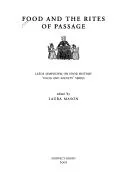
Food and the Rites of Passage
✍️ Mason, LauraA scholarly collection of essays on food traditions marking life milestones like baptism and marriage.
This volume explores the deep connection between eating habits and significant life events through six distinct essays. Mason compiles research that reveals how societies have used food to celebrate or mourn major transitions. The text moves beyond simple description to analyze the historical trajectory of these practices. It notes how certain rituals, such as sharing wine among gossips after childbirth, have disappeared. Conversely, it tracks how wedding cakes transformed from flat discs into elaborate monuments. The inclusion of black and white illustrations provides visual context for these textual analyses. Readers will find a fully indexed resource that connects social science with culinary history.
Published by Prospect Books in the UK on January 7, 2002, this hardcover volume is the eleventh entry in the Food and Society series. It stems from the Leeds Symposium on Food History, following their previous work on York. The book reflects a British academic approach to food history, focusing on social customs rather than regional cuisine.


📝 Description: Food and the Rites of Passage
💎 Expert review
⭐ Reader reviews
Reader rating
Mason offers a rigorous examination of how societies use food to mark transitions. The text effectively tracks changes in rituals, noting the disappearance of some practices like sharing wine with gossips alongside the evolution of wedding cakes. The black and white illustrations add necessary visual context. However, this is not a cookbook. It will not suit home cooks seeking recipes or quick meals. It is strictly for those interested in the academic study of culinary customs and their historical development.
❓ Frequently asked questions
📖 Who should read this
Readers interested in the intersection of culinary history and social customs will appreciate this scholarly approach. It suits those who enjoy academic essays over practical recipes. Ideal for historians or anthropologists studying how food marks life milestones like baptism and marriage through a historical lens.