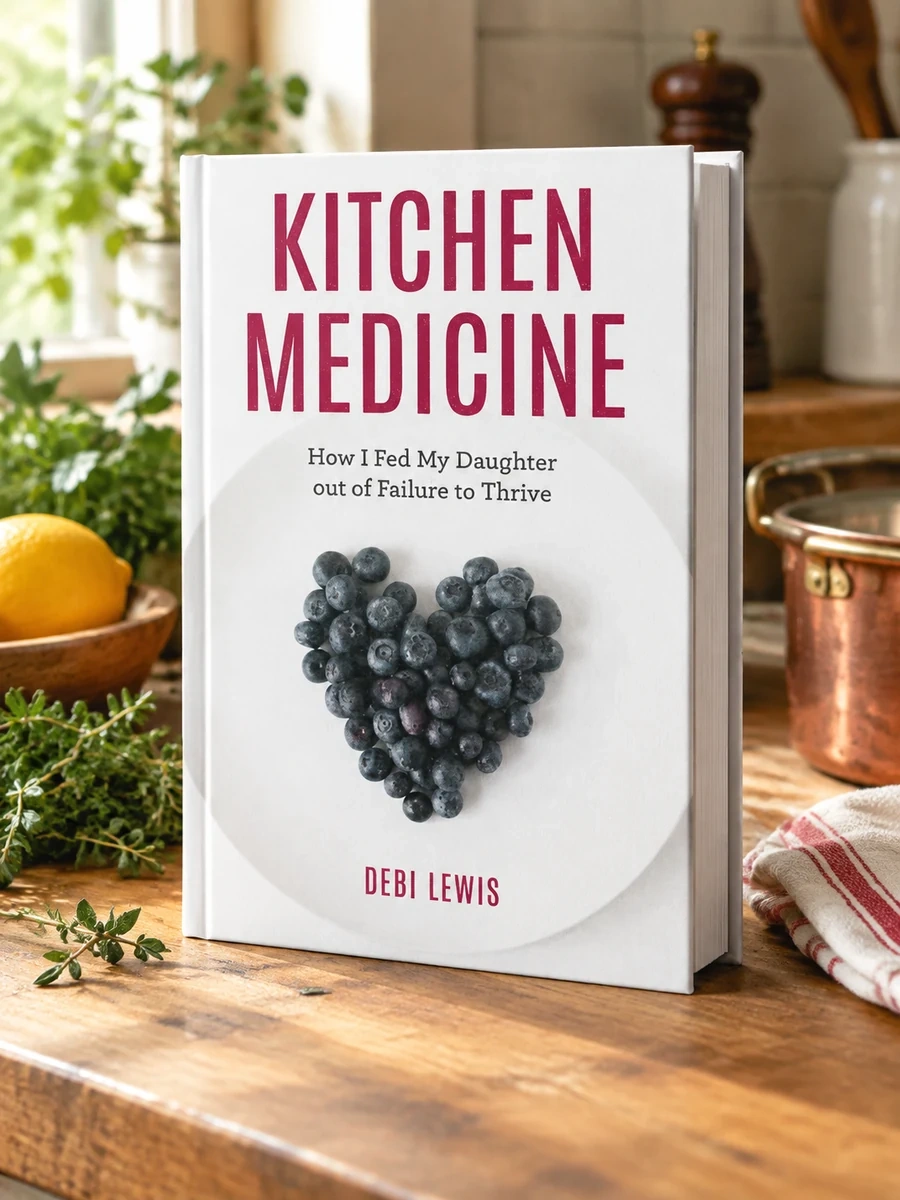
Kitchen Medicine: How I Fed My Daughter out of Failure to Thrive
✍️ Lewis, DebiA memoir about a mother feeding her sick daughter through cooking and love.
Lewis examines the intersection of parenting, health, and culinary arts. She discusses how feeding a child can become an emotional burden when medical issues arise. The narrative focuses on her shift from viewing cooking as a chore to seeing it as an act of nurturing. She reflects on the joy found in fresh peaches and the comfort of traditional dishes like matzo balls. Her experience offers insight into the silent struggles of mothers who fight for their children's health through meals.
The book sits within American parenting narratives and food writing traditions. It addresses contemporary concerns about childhood health, allergies, and dietary restrictions. The work reflects a period where medical diagnoses often complicate family meals. Lewis draws on her personal experience as a mother in the United States to explore these themes.


📝 Description: Kitchen Medicine: How I Fed My Daughter out of Failure to Thrive
💎 Expert review
📖 Why choose it
Why this book is worth reading
Parents navigating the complex intersection of childcare and medical anxiety will find profound resonance in Lewis’s account. Readers who view cooking as an act of love rather than mere utility will appreciate her shift from despair to culinary confidence. Those interested in how traditional dishes provide comfort during illness, or those seeking validation for the silent burdens of maternal care, will connect with her narrative. It offers insight into resilience and the emotional weight of feeding a sick child, highlighting how fresh ingredients and familiar recipes can restore hope and redefine motherhood beyond medical labels.
⭐ Reader reviews
Reader rating
Lewis provides a candid look at the emotional toll of caring for a 'failing to thrive' child through food. While her exploration of matzo balls and smoothies adds texture, this is not a practical guide. Readers seeking quick recipes or specific medical advice will find this narrative unsuitable and potentially frustrating. It succeeds as a testament to maternal dedication but fails as a technical resource. Those who prefer instructional cookbooks over personal memoirs should look elsewhere.
❓ Frequently asked questions
📖 Who should read this
Parents of children with complex health needs who seek comfort in food. Readers valuing emotional narratives over strict culinary instruction. Those interested in the intersection of maternal love and nutritional recovery through personal storytelling.