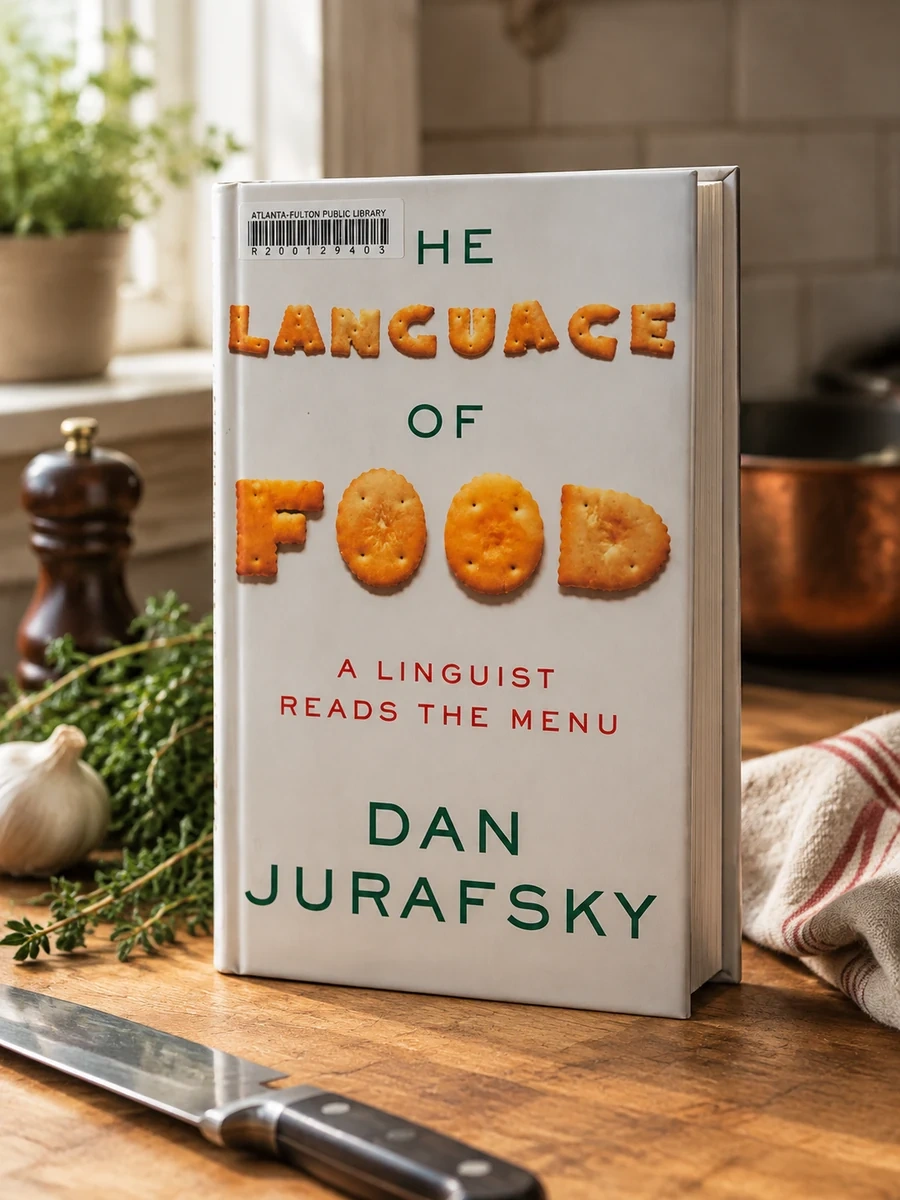
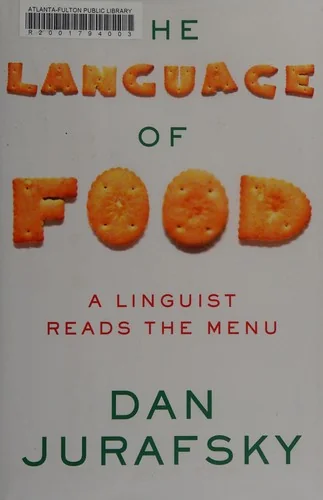
The Language of Food: A Linguist Reads the Menu
✍️ Jurafsky, DanA linguist explores the hidden history of food words through menu analysis.
Jurafsky uses linguistic tools to decode the evolution of culinary vocabulary. He connects language changes to historical events like piracy and chivalry. The book reveals how terms for dishes such as salad and salsa reflect broader social norms. Readers learn why Chinese cuisine lacks a specific word for dessert. This approach highlights the relationship between speech habits and food culture.
Published in 2014 by W. W. Norton, this work reflects early twenty-first century interest in the history of language. It sits within the genre of food writing and linguistic essays, appealing to American readers curious about the origins of common culinary terms.


📝 Description: The Language of Food: A Linguist Reads the Menu
💎 Expert review
⭐ Reader reviews
Reader rating
Jurafsky offers a fresh lens on food culture through linguistic scrutiny. The book effectively connects vocabulary shifts to historical events like chivalry and piracy. It explains why certain cuisines lack specific terms, such as Chinese dessert words. However, it will not suit readers seeking practical recipes or cooking techniques. Those looking for straightforward meal planning may find the academic tone dry and less applicable to their daily kitchen routines.
❓ Frequently asked questions
📖 Who should read this
Readers fascinated by linguistics and culinary history will enjoy this unique perspective. It suits those who appreciate essays over recipes. Ideal for curious minds interested in how language shapes food culture and social norms rather than home cooks seeking new dishes.