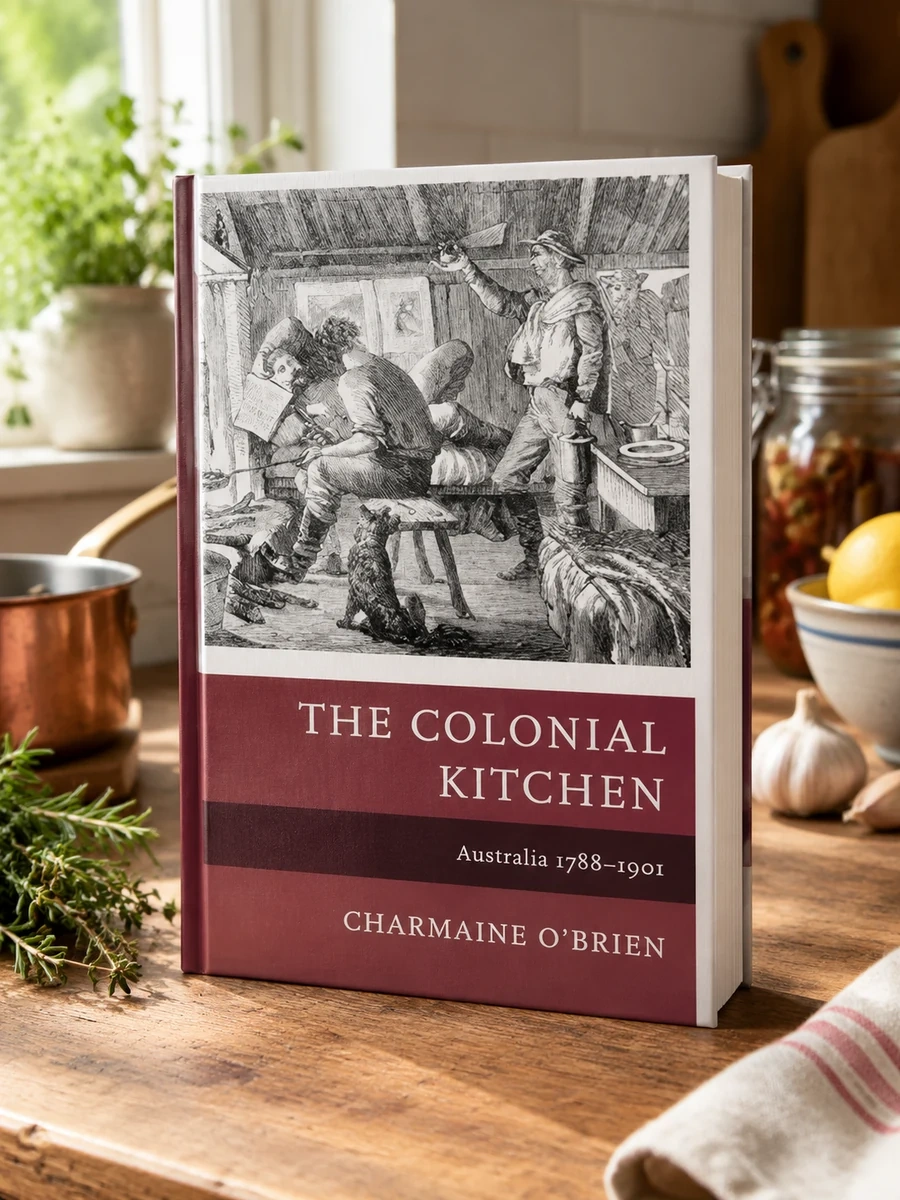
Colonial Kitchen: Australia 1788-1901
✍️ O'Brien, CharmaineA historical study challenging myths about colonial Australian cooking habits.
The author investigates the social and cultural forces that shaped eating habits in early Australia. She questions the narrative that colonists were hopeless agriculturists who ignored native foods. The book analyzes writings from the period to understand the purpose behind food descriptions. It looks at how gardens and dining rooms functioned within colonial society. The text also examines the development of a reputation for poor cooking and bad manners among settlers. O'Brien uses this evidence to refute the idea that their diet was solely composed of mutton, damper, and sweet tea. She shows how these stereotypes persist in modern perceptions of Australian cuisine. The work provides context for why contemporary Australians might ridicule their colonial culinary ancestors.
The book covers the period from 1788 to 1901 in Australia. It focuses on the first European settlers who arrived on Aboriginal land. The text examines how these colonists developed a reputation for poor cooking and uncouth eating habits. It addresses the specific foods like mutton, damper, cabbage, potatoes, and sweet tea associated with this era.


📝 Description: Colonial Kitchen: Australia 1788-1901
💎 Expert review
📖 Why choose it
Why this book is worth reading
Readers interested in the intersection of culinary history and social identity will find significant value in this text. O'Brien provides a necessary corrective to the pervasive myth that early Australian colonists were incompetent farmers and terrible cooks. By analyzing primary sources, she reveals how dining rooms and gardens functioned as sites of cultural negotiation rather than mere survival mechanisms. This book is essential for those who wish to understand how modern Australians came to ridicule their own culinary heritage. It offers a nuanced perspective on the social forces that shaped eating habits, moving beyond simple recipe collections to explore the political and cultural meanings behind food descriptions in literature. It appeals to scholars and enthusiasts eager to dismantle persistent national myths about agricultural incompetence.
⭐ Reader reviews
Reader rating
This volume is a rigorous academic study rather than a leisurely read or practical guide. It will likely disappoint anyone seeking modern recipes, simple narrative histories, or accessible storytelling without dense analytical frameworks. The text relies heavily on primary sources to reconstruct daily life, making it demanding for casual readers. However, for those invested in social customs and historical cooking traditions, it offers a compelling refutation of colonial culinary stereotypes.
❓ Frequently asked questions
📖 Who should read this
Readers interested in Australian history and food studies will appreciate this scholarly approach. It suits those who enjoy analyzing social customs through culinary lenses rather than seeking practical cooking instructions for their modern kitchen.